
Aluminum Weight Calculator
Calculate the weight of aluminum sheet, plate, bar, coil, and circle by dimensions. Free online tool with accurate density values for all common alloys.
Calculate Aluminum Weight
Select a shape, enter dimensions, and choose your alloy to get an instant weight calculation.
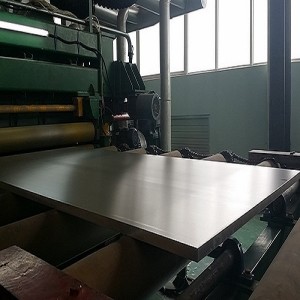
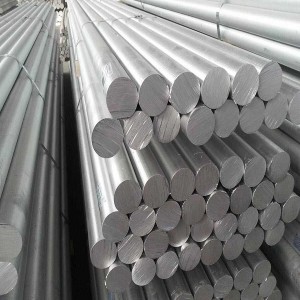
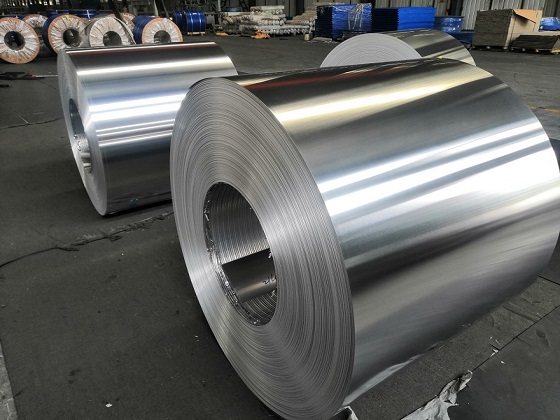
Calculation:
Enter dimensions above to see the calculation
Aluminum Density Reference Table
Typical density values for aluminum grades represented in the current product range.
| Alloy | Series | Density (g/cm3) | Density (lb/in3) | Primary Use |
|---|---|---|---|---|
| 1050 | 1xxx | 2.71 | 0.098 | Chemical, food industry |
| 1060 | 1xxx | 2.70 | 0.098 | Heat exchangers, reflectors |
| 1070 | 1xxx | 2.70 | 0.098 | Electrical and high-conductivity sheet |
| 1100 | 1xxx | 2.71 | 0.098 | General sheet metal, cooking |
| 2014 | 2xxx | 2.80 | 0.101 | Aircraft fittings, high-strength parts |
| 2024 | 2xxx | 2.78 | 0.100 | Aerospace structures |
| 3003 | 3xxx | 2.73 | 0.099 | HVAC, roofing, utensils |
| 3004 | 3xxx | 2.72 | 0.098 | Beverage cans, storage tanks |
| 3005 | 3xxx | 2.73 | 0.099 | Roofing, building sheet and coil |
| 3104 | 3xxx | 2.72 | 0.098 | Can stock and formed packaging |
| 3105 | 3xxx | 2.72 | 0.098 | Building products, caps |
| 4017 | 4xxx | 2.72 | 0.098 | Checkered and decorative tread sheet |
| 5005 | 5xxx | 2.70 | 0.098 | Anodized architectural |
| 5052 | 5xxx | 2.68 | 0.097 | Marine, fuel tanks, electronics |
| 5083 | 5xxx | 2.66 | 0.096 | Shipbuilding, offshore |
| 5086 | 5xxx | 2.66 | 0.096 | Marine, pressure vessels |
| 5182 | 5xxx | 2.66 | 0.096 | Automotive panels, can ends |
| 5454 | 5xxx | 2.69 | 0.097 | Tank truck, pressure and heat service |
| 5754 | 5xxx | 2.67 | 0.096 | Automotive body panels |
| 6061 | 6xxx | 2.70 | 0.098 | Structural, CNC, mold |
| 6063 | 6xxx | 2.70 | 0.098 | Extrusions, architectural |
| 6066 | 6xxx | 2.72 | 0.098 | High-strength extrusions and round bar |
| 6082 | 6xxx | 2.71 | 0.098 | Structural beams, bridges |
| 7050 | 7xxx | 2.83 | 0.102 | Aerospace thick plate |
| 7075 | 7xxx | 2.81 | 0.101 | Aerospace, military, mold |
| 8011 | 8xxx | 2.71 | 0.098 | Foil, packaging |
Density values are typical at 20 degrees C. Actual density may vary slightly by temper and manufacturing process.
Weight Calculation Formulas
The fundamental formula is Weight = Volume x Density. Below are the specific volume formulas for each shape.
Sheet / Plate
Where T = thickness (mm), W = width (mm), L = length (mm), p = density (g/cm3). Result in kg.
Round Bar
Where D = diameter (mm), L = length (mm), p = density (g/cm3). pi/4 = 0.7854. Result in kg.
Square Bar
Where S = side length (mm), L = length (mm), p = density (g/cm3). Result in kg.
Flat Bar
Where T = thickness (mm), W = width (mm), L = length (mm), p = density (g/cm3). Same as sheet formula.
Circle / Disc
Where D = diameter (mm), T = thickness (mm), p = density (g/cm3). Result in kg.
Unit Conversion
All calculations are performed in metric (mm, g/cm3, kg) and automatically converted to imperial (lbs) for convenience.
Weight Calculator FAQ
Ready to Order Aluminum?
Now that you know the weight, get a competitive price. Our team responds within 24 hours with pricing, availability, and lead time.
Request a Free Quote