
High-strength aluminum sheet, plate and bar for aviation structures.
Aerospace buyers need more than alloy names. We connect strength-to-weight targets, temper choice, traceability, ultrasonic testing and cut planning before quotation.
Start with risk, then choose the aluminum form.
For aviation parts, the most important question is not only which alloy is stronger. The decision also depends on thickness, machining depth, stress relief, corrosion exposure and the buyer's inspection requirements.
Fatigue and load path
Use 2024 or 7075 series when the design needs high strength and controlled fatigue performance.
Machining movement
For thick plate and heavily machined parts, stress-relieved tempers reduce distortion after material removal.
Traceability package
Mill certificate, batch marking, packing marks and inspection requests are confirmed before shipment.
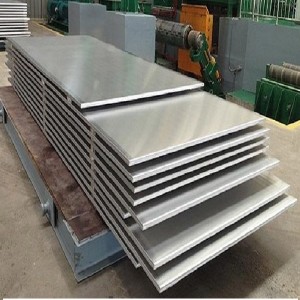
Recommended aerospace aluminum products.
Each lane is tied to a different buyer problem, so the page connects aviation requirements with real sheet, plate and bar stock.
7075-T651 plate
For structural parts, fixtures and high-load machined components where strength and stability are both important.
2024 sheet and plate
For formed or machined aviation parts that require good fatigue resistance and controlled mechanical properties.
7050 / 7175 plate
For thicker sections that need improved stress corrosion resistance and consistent performance after machining.
Inspection and delivery details are part of the solution.
Aerospace orders usually fail in the small details: wrong temper, missing batch information, unsuitable cutting direction, or unclear packing marks.
Spec review
Drawing, alloy, temper, thickness and destination documents are checked before offer.
Cut plan
Plate size, saw cutting allowance and grain direction notes are confirmed when required.
Testing
MTC, ultrasonic testing and surface checks can be arranged according to order needs.
Marking
Package labels and batch marks are aligned for warehouse receiving and inspection.
Quick aerospace material selection table.
| Use case | Typical alloy | Product form | Watch item |
|---|---|---|---|
| High-load machined bracket | 7075-T651 | Plate / bar | Stress relief and cutting allowance |
| Fatigue-sensitive part | 2024-T351 | Sheet / plate | Confirm corrosion protection |
| Thick machined component | 7050 / 7175 | Thick plate | UT and material traceability |
From engineering requirement to purchasable stock.
Each aerospace inquiry is matched with a product form, document set and cutting plan so buyers can move from drawing to purchasable stock.
High-strength plate
7075-T651 and 7050 plate for machined frames, brackets, tooling and high-load structural parts.
Aviation sheet
2024 and 7075 sheet for parts that need strength, fatigue behavior and controlled surface condition.
Machining bar
Round and flat bar options for pins, bushings, supports and smaller CNC parts with repeatable cutting behavior.
Cut-to-size blanks
Plate cutting, saw allowance and marking support for buyers who need ready-to-machine material packages.
What we check before confirming aerospace material.
Aerospace orders usually depend on traceability, temper accuracy, stress relief and inspection documents. These items are reviewed before quotation instead of after production.
Document and packing checklist
- Mill test certificate: alloy, temper, chemical composition and mechanical properties matched to batch.
- Traceability marks: package label, heat number and buyer reference can be aligned before packing.
- Inspection support: ultrasonic testing, surface condition and dimensional checks are confirmed when required.
- Export packing: wooden package, moisture barrier and edge protection reduce receiving and machining risk.
Questions aerospace buyers usually ask first.
Should I choose 7075 or 2024?
7075 is usually selected for very high strength and machined parts. 2024 is often considered when fatigue behavior is a key design factor. Final choice depends on drawing, thickness and corrosion exposure.
Why does T651 matter?
T651 is stress-relieved after heat treatment. For thick plate and heavy machining, it can help reduce movement after material removal compared with a non-stress-relieved temper.
Can you supply cut blanks?
Yes. Send rough blank size, final part size and machining allowance. We can quote plate or bar with saw cutting and package marking.
What should be included in the inquiry?
Alloy, temper, thickness, width, length, quantity, standard or document requirement, destination and any special inspection request.
Send enough detail to prevent a wrong aerospace quote.
Aerospace material selection is sensitive to temper, thickness and documents. These inputs let us quote aluminum stock that can actually be purchased and inspected.
- Alloy and temper target
- Thickness or diameter range
- Sheet, plate, bar or blank
- Cutting list and allowance
- MTC / UT / traceability needs
- Destination and packing method
Need aerospace aluminum with clear documents?
Send alloy, temper, thickness, cutting list and inspection requirement. We will confirm product form, documents and packing before quotation.
Request aerospace quote