
5083-H116 Marine Aluminum Plate
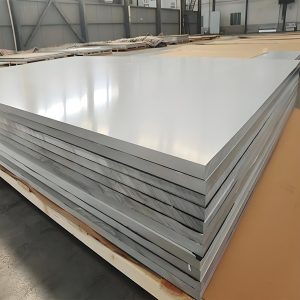
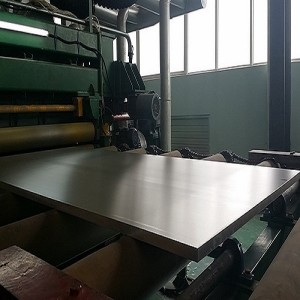
5083-H116 is the strongest non-heat-treatable marine aluminum alloy, certified by DNV-GL, Bureau Veritas, ABS, and Lloyd's Register for shipbuilding, offshore platforms, and pressure vessels. Thickness 6-200mm, width up to 3000mm.
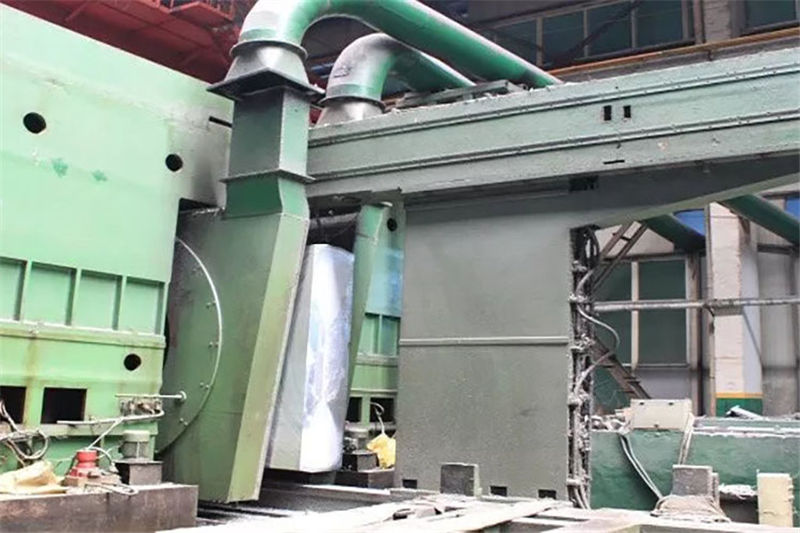
Overview
5083 is the strongest non-heat-treatable aluminum alloy in common use, specifically engineered for demanding marine and offshore environments. With a magnesium content of 4.0-4.9% and manganese additions up to 1.0%, it achieves tensile strengths exceeding 300 MPa in the H116 temper while maintaining excellent corrosion resistance in seawater and marine atmospheres.
The H116 temper designation is specifically optimized for resistance to exfoliation corrosion and stress corrosion cracking, making it the preferred choice for hull plating, superstructures, and other components that are continuously exposed to saltwater. This temper meets the stringent requirements of ASTM B928 for high-magnesium alloy plate for marine service.
Our 5083-H116 marine plate is certified by all major classification societies including DNV-GL, Bureau Veritas, ABS, and Lloyd's Register. Each plate ships with a full mill test certificate and marine classification certificate, ensuring complete traceability from melt to delivery. It is readily weldable using 5183 or 5356 filler alloys, and the heat-affected zone retains excellent corrosion properties after welding.
Chemical Composition
Per ASTM B928 / EN 573-3 standard. Chemical limits for alloy 5083.
| Element | Si | Fe | Cu | Mn | Mg | Cr | Zn | Ti | Al |
|---|---|---|---|---|---|---|---|---|---|
| Max % | 0.40 | 0.40 | 0.10 | 0.40 - 1.0 | 4.0 - 4.9 | 0.05 - 0.25 | 0.25 | 0.15 | Balance |
Mechanical Properties
Minimum guaranteed values per ASTM B928 for plate thickness 6-80mm.
| Temper | Tensile Strength (MPa) | Yield Strength (MPa) | Elongation (%) |
|---|---|---|---|
| O (Annealed) | 275 - 350 | 125 | 16 |
| H116 | 303+ | 215+ | 10 |
| H321 | 303+ | 215+ | 10 |
Marine Certifications
Our 5083-H116 plate is certified by all major international marine classification societies.
DNV-GL
Det Norske Veritas-Germanischer Lloyd certification for marine and offshore materials. Meets rules for classification of ships.
Bureau Veritas
French classification society certification. Approved for hull structural steel and aluminum alloys per NR216 rules.
ABS
American Bureau of Shipping approval. Compliant with Rules for Materials and Welding for aluminum alloy construction.
Lloyd's Register
Lloyd's Register Group certification for marine aluminum alloys. Approved per Rules for the Manufacture of Materials.
Available Specifications
Custom sizes available. All marine grade plate ships with full mill test certificate and classification certificate.
| Parameter | Range | Notes |
|---|---|---|
| Thickness | 6 - 200 mm | Ultrasonic tested per ASTM B548 |
| Width | Up to 3000 mm | Standard widths: 1500, 2000, 2500, 3000mm |
| Length | Up to 12000 mm | Custom cut-to-length available |
| Tempers | O / H116 / H321 | H116 standard for marine applications |
| Standards | ASTM B928, EN 485 | Marine classification certificates included |
Applications
5083-H116 marine plate serves the most demanding marine and industrial environments worldwide.

Hull Plating
Primary hull structure for commercial vessels, yachts, ferries, and patrol boats. Excellent seawater corrosion resistance and weldability.
Offshore Platforms
Helidecks, walkways, structural components, and living quarters for offshore oil & gas platforms and wind farm foundations.
LNG Tanks
Cryogenic storage and transport tanks for liquefied natural gas. 5083 retains excellent toughness at temperatures down to -196 C.
Naval Vessels
Military patrol craft, minesweepers, and fast attack craft. Lightweight construction reduces fuel consumption and increases speed.