
Stable aluminum round bar, flat bar and plate for CNC parts.
CNC buyers care about machinability, movement after cutting, bar straightness, plate flatness and saw-cut allowance. This page works like a machining stock selector.
Match stock form to the machining method.
Turned or milled small parts
Round, square and flat bar work well for shafts, pins, fittings and repeated small components.
Large fixtures and machined plates
6061-T6 and 7075-T651 plate help balance stability, thickness and strength.
Saw-cut blanks
Allowance, surface protection and packing are planned before the buyer starts machining.
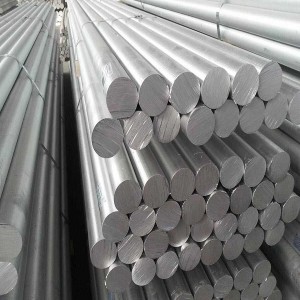
The CNC page behaves like a technical workbench.
Machinability
6061 is the common balanced alloy; 7075 cuts cleanly when higher strength is required.
Stress relief
T651 plate is preferred when heavy material removal may cause movement.
Bar quality
Diameter, straightness and surface condition affect automatic feeding and turning.
Packing
Cut blanks need edge protection, labels and separators to reduce receiving issues.
CNC stock selection table.
| Part type | Likely material | Product form | Important note |
|---|---|---|---|
| General CNC parts | 6061-T6 | Round bar / plate | Balanced machinability and availability |
| Machine fixture | 6061-T651 / 6082-T6 | Plate | Flatness and cutting allowance |
| High-load machined part | 7075-T651 | Plate / bar | Strength and stress-relieved temper |
| Mold or tooling base | 6061 / 7075 | Thick plate | Thickness tolerance and surface condition |
Machining stock selected by geometry and material removal.
The right aluminum stock depends on whether the part starts from round bar, flat bar, thick plate or a saw-cut blank.
6061-T6 bar
Balanced stock for general CNC turning, milling, fixtures, pins and structural components.
7075-T651 plate
High-strength plate for machined blocks, tooling plates and parts that need a stronger starting material.
Round / square / flat bar
Choose stock shape around the final component to reduce material removal and machining time.
Saw-cut blanks
Blank size, allowance, marking and packing can be prepared for direct machine-shop receiving.
Machining support checklist
- Rough blank size: include machining allowance so saw cutting does not create undersized stock.
- Temper choice: T6 and T651 are selected around strength and movement control.
- Bar straightness: diameter, length and straightness requirements affect turning and feeding.
- Packing marks: part number, alloy, temper and size marking reduce warehouse confusion.
Why machine shops ask for more than alloy.
Machining stability is shaped by temper, stock form, cutting allowance and storage condition. These details decide whether a quote becomes usable production material.
Questions machine shops usually ask.
6061 or 7075 for CNC parts?
6061 is a balanced, widely used machining alloy. 7075 is selected when higher strength is needed, but corrosion and cost should be checked.
Why use T651 plate?
T651 plate is stress-relieved, which is useful when a thick plate will lose a lot of material during machining.
Can stock be saw cut?
Yes. Send the rough blank size and allowance. We can quote bar or plate with cutting and labels.
What affects bar selection?
Shape, diameter, length, straightness, surface condition, temper and final part tolerance all affect the recommended bar stock.
Machine-stock quotes need blank logic.
Send final component intent and rough stock sizes so the aluminum stock fits machining, not only purchasing.
- Alloy and temper
- Round, flat, square bar or plate
- Final part size
- Rough blank size
- Cutting allowance
- Marking and packing notes
Need bar or plate cut for machining?
Send final part size, rough blank size, alloy target, tolerance concern and quantity. We will recommend the stock form and cutting details.
Request machining stock