
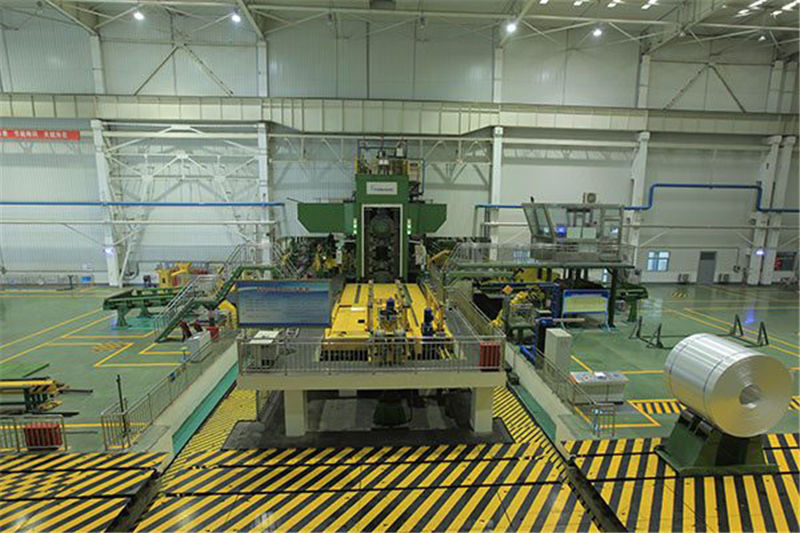
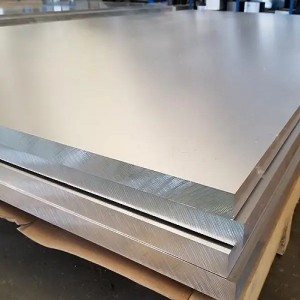
7075-T651 Aluminum Plate
Aerospace grade 7075-T651 aluminum plate — ultra-high strength (572 MPa). Used in aircraft structures, defense, and high-performance tooling. Thickness 6-150mm. AMS 4045 compliant.
Overview of 7075-T651 Aluminum Plate
7075 is a zinc-alloyed aluminum known for its exceptional strength, comparable to many steels while weighing roughly one-third as much. It is the strongest commonly available aluminum alloy, making it the material of choice where the ultimate strength-to-weight ratio is required.
The T651 temper provides stress-relieved plate with minimal warping during machining. The stress-relief process after solution heat treatment and aging ensures dimensional stability — a critical factor when machining large structural components or precision mold cavities.
7075 is not recommended for welding due to its zinc content and susceptibility to stress corrosion cracking in the weld zone. Joining is typically accomplished through mechanical fastening, adhesive bonding, or friction stir welding for specialized applications.
Widely used in aerospace, defense, and high-stress applications, 7075-T651 plate is produced to AMS 4045 and ASTM B209 standards. All material ships with full mill test certificates (EN 10204 3.1) and ultrasonic inspection reports for thickness above 25 mm.
Chemical Composition of 7075 Aluminum
Nominal chemical composition per ASTM B209 / AMS 4045. All values in weight percent (%).
| Element | Si | Fe | Cu | Mn | Mg | Cr | Zn | Ti | Al |
|---|---|---|---|---|---|---|---|---|---|
| Content (%) | ≤ 0.40 | ≤ 0.50 | 1.2 – 2.0 | ≤ 0.30 | 2.1 – 2.9 | 0.18 – 0.28 | 5.1 – 6.1 | ≤ 0.20 | Balance |
Mechanical Properties by Temper
Key mechanical properties for 7075 aluminum plate across common temper conditions.
| Temper | Tensile Strength (MPa) | Yield Strength (MPa) | Elongation (%) | Hardness (HB) |
|---|---|---|---|---|
| T6 | 572 | 503 | 11 | 150 |
| T651 | 572 | 503 | 11 | 150 |
| T7351 | 503 | 434 | 11 | — |
| O (Annealed) | 228 | 103 | 17 | — |
Available Specifications
Full dimensional range and international standard compliance for 7075-T651 aluminum plate.
Plate Dimensions
| Thickness | 6 – 150 mm |
| Width | Up to 2500 mm |
| Length | Up to 6000 mm |
| Flatness | Per AMS 2242 (precision ground on request) |
| Surface | Mill finish, precision ground |
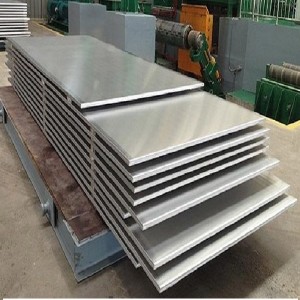
| Packaging | Protective film, wooden crates, seaworthy |
Standards Compliance
Aerospace & Defense Applications
7075-T651 plate is the backbone of modern aerospace structural design, meeting the most demanding AMS specifications.
In the aerospace industry, 7075-T651 aluminum plate serves as the primary structural material for components that must withstand extreme loads while maintaining the lowest possible weight. Its strength-to-weight ratio is unmatched among commonly available aluminum alloys, making it the standard choice for aircraft structural components.
All our 7075-T651 plate is produced to AMS 4045 specification with full material traceability from ingot to finished plate. Ultrasonic inspection per AMS 2154 is standard on plate thicker than 25 mm, ensuring internal soundness for safety-critical applications.
Aircraft Wing Skins & Spars
Upper wing skins, spar caps, and structural stiffeners where the combination of high compressive strength and fatigue resistance is critical for airframe longevity.
Fuselage Frames & Bulkheads
Machined fuselage frames, pressure bulkheads, and floor beams that form the primary load-bearing skeleton of commercial and military aircraft.
Landing Gear Components
Forged and machined landing gear brackets, torque links, and support structures where 7075 provides the necessary strength for repeated high-impact loading.
Missile & Defense Hardware
Missile body sections, launch rail components, radar housings, and military vehicle armor plates requiring MIL-spec material with full lot traceability.
Applications for 7075-T651 Aluminum Plate
From aircraft structures to high-performance sports equipment, 7075 serves the most demanding applications.
Aircraft Structures
Wing skins, fuselage frames, bulkheads, spars, and structural fittings for commercial and military aircraft.
Defense & Military
Missile components, military vehicle armor, radar housings, and MIL-spec hardware for defense applications.
Mold & Tooling
Injection mold cavities, blow mold tooling, and precision jig plates where hardness and dimensional stability are required.
High-Performance Sports
Bicycle frames, climbing gear, ski bindings, and competition-grade sporting equipment demanding maximum strength at minimum weight.
Frequently Asked Questions
Answers to the most common questions about 7075-T651 aluminum plate.