
Aluminum Plate — Thick Gauge, High Performance
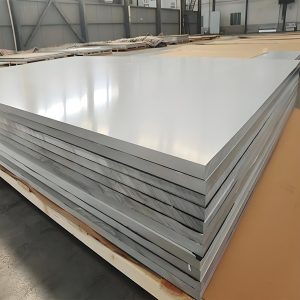
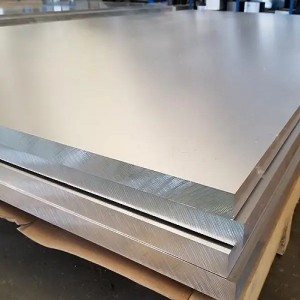
We supply aluminum plate in 2xxx, 5xxx, 6xxx, and 7xxx alloy series with thickness from 6 mm to 200 mm+. Marine certified, aerospace grade, ultrasonic tested, and factory direct to your project site.
Payment: T/T, L/C at sight, Western Union. Lead time: 20-40 days production + 7 days shipping on stock grades.
How Aluminum Plate Is Made: From Casting to Precision Cutting
A 5-step overview of the plate manufacturing process that delivers consistent mechanical properties and dimensional accuracy.
Casting
Molten aluminum is DC-cast into large rectangular ingots weighing up to 25 tons for optimal internal structure.
Hot Rolling
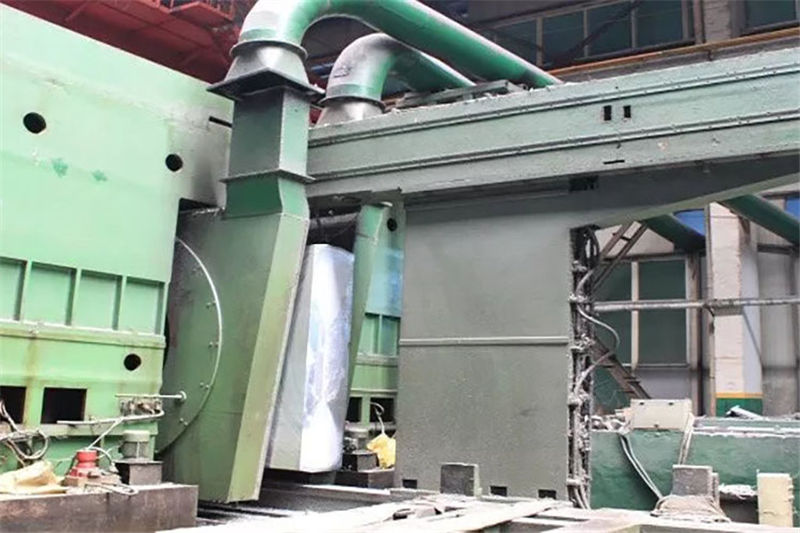
Ingots are heated to 400-500 C and hot rolled through reversing mills to reduce thickness from 600mm to target gauge.
Stretching & Flattening
Plate is mechanically stretched 1-3% to relieve internal stress and achieve superior flatness tolerance.
Heat Treatment
Solution heat treatment, quenching, and aging to achieve target temper (T351, T651, T7451) and mechanical properties.
Precision Cutting
Plate is saw-cut or flame-cut to customer dimensions with ultrasonic testing for internal soundness verification.
Aluminum Plate by Alloy Series
Select from 4 high-performance alloy families engineered for demanding thick-gauge applications.
2xxx Series — Aviation Grade
5xxx Series — Marine Grade
6xxx Series — General Engineering
7xxx Series — High-Strength Aerospace
Aluminum Plate for Critical Applications
Thick-gauge aluminum plate serves the world's most demanding industries where structural integrity, certification, and precision are non-negotiable.
Marine & Shipbuilding
Hull plating, superstructures, offshore platforms, and LNG tank systems requiring DNV/BV/ABS certified marine-grade plate with superior saltwater corrosion resistance.
Aerospace & Aviation
Wing spar caps, fuselage frames, bulkheads, and landing gear components demanding the highest strength-to-weight ratio with AMS material specifications.
Mold & Tooling
Injection mold bases, blow mold cavities, jigs, fixtures, and precision tooling requiring excellent machinability, dimensional stability, and stress-relieved plate.
Pressure Vessels & Tanks
ASME-coded pressure vessels, cryogenic tanks, chemical storage, and heat exchangers requiring certified weldability and impact toughness at low temperatures.
Aluminum Sheet vs Aluminum Plate: What's the Difference?
Understanding the distinction helps you specify the right product and avoid costly over- or under-engineering.
| Dimension | Aluminum Sheet | Aluminum Plate |
|---|---|---|
| Thickness | 0.2 mm - 6.0 mm (up to 0.249") | 6.0 mm - 200 mm+ (0.250" and above) |
| Typical Alloys | 1xxx, 3xxx, 5xxx, 6xxx, 8xxx | 2xxx, 5xxx, 6xxx, 7xxx (high-performance focus) |
| Primary Applications | Roofing, cladding, automotive panels, packaging, electronics enclosures | Marine hulls, aerospace structure, mold bases, pressure vessels, heavy machinery |
| Key Processing | Cold rolling, annealing, slitting, surface coating | Hot rolling, stretching/flattening, heat treatment (T351/T651), ultrasonic testing |
| Governing Standards | ASTM B209, EN 485, GB/T 3880 | ASTM B209, AMS 4045/4027, EN 485, DNV rules |
| Price Range | $ - $$ (lower cost per kg for commodity alloys) | $$ - $$$$ (premium for aerospace/marine grades + testing) |
How to Choose the Right Aluminum Plate in 4 Steps
Follow this decision framework to specify the ideal alloy, temper, and dimensions for your thick-gauge application.
Define Your Application
Start with the service environment. Marine plate needs saltwater corrosion resistance and classification society approval. Aerospace demands certified strength and fatigue life. Mold plate needs machinability and dimensional stability. Pressure vessels require weldability and impact toughness.
Choose the Right Alloy
Each alloy family addresses different engineering requirements. 2xxx and 7xxx deliver maximum strength for aerospace. 5xxx offers the best corrosion resistance for marine and chemical environments. 6xxx provides a balanced combination for general structural and mold applications.
Determine Thickness & Dimensions
Aluminum plate ranges from 6 mm to 200 mm+ in thickness. Thicker plate requires longer lead times and has higher minimum orders. Consider your structural load calculations, machining allowance, and weight targets. We supply widths up to 3,000 mm and lengths up to 12,000 mm.
Request a Quote with Full Specs
Send us your alloy, temper, thickness, width, length, quantity, required certifications (DNV/BV/ABS/AMS), and any special testing (ultrasonic, hardness). Our engineers will confirm availability, verify compliance, and provide factory-direct pricing within 24 hours.
5083 vs 6061 vs 7075 — Which Aluminum Plate Grade Is Right?
Side-by-side comparison of the three most requested thick plate grades across 7 performance dimensions.
| Dimension | 5083-H116 | 6061-T651 | 7075-T651 |
|---|---|---|---|
| Tensile Strength | 317 MPa | 310 MPa | 572 MPa |
| Corrosion Resistance | (seawater rated) | (needs protection) | |
| Weldability | |||
| Machinability | |||
| Stress Corrosion | (use T7x temper) | ||
| Relative Cost | |||
| Best Applications | Ship hulls, LNG tanks, offshore, chemical tanks | Mold bases, jigs, general structure, CNC parts | Aerospace frames, defense, high-stress components |
Popular Plate Grades Quick Reference
Compare the most requested aluminum plate grades side by side to select the right alloy for your project.
| Alloy | Temper | Thickness Range | Key Properties | Common Applications | |
|---|---|---|---|---|---|
| 2024 | T351, T4 | 6 - 150 mm | High fatigue strength, good machinability, copper-alloyed | Aircraft structure, wing skins, fuselage frames | Details |
| 5083 | H116, H321, O | 6 - 200 mm | Marine certified (DNV/BV/ABS), highest non-heat-treatable strength, seawater resistant | Ship hulls, LNG tanks, offshore platforms, armor plate | Details |
| 6061 | T651, T6 | 6 - 200 mm | Most versatile plate, excellent machinability, stress-relieved by stretching | Mold bases, jig plate, structural, CNC machining stock | Details |
| 7050 | T7451 | 6 - 200 mm | Superior SCC resistance in thick sections, high strength with good toughness | Aerospace bulkheads, wing ribs, high-integrity structural parts | Details |
| 7075 | T651, T7351 | 6 - 150 mm | Ultra-high strength (572 MPa UTS), aerospace standard, excellent fatigue life | Aerospace structure, defense, high-stress mold, precision tooling | Details |
DNV / BV / ABS Certified
Marine classification society approvals for shipbuilding plate
Ultrasonic Tested
100% UT inspection per ASTM B594 for internal soundness
100% MTC Included
EN 10204 3.1 mill test certificates with every shipment
Export to 50+ Countries
Trusted global supply chain with reliable logistics partners
Looking for a long-term plate supply partnership? We offer annual price agreements, reserved production slots, and dedicated account managers for repeat buyers. Contact our partnership team →
Aluminum Plate Resources & Downloads
Download catalogs, certification samples, and technical documents for your team.
Plate Product Catalog
Complete aluminum plate catalog -- all alloys, tempers, specs, and applications.
Marine Certification Samples
Example DNV, BV, and ABS marine classification certificates for shipbuilding plate.
Alloy Datasheet Collection
Chemical composition, mechanical properties, and temper data for 15+ plate alloys.
UT Test Report Sample
Example ultrasonic testing report per ASTM B594 showing internal soundness verification.
Specifications & Standards
Full dimensional range and international standard compliance for every plate order.
Available Specifications
| Thickness | 6 - 200 mm (heavier on request) |
| Width | 1000 - 3000 mm |
| Length | 2000 - 12000 mm |
| Tempers | O / T351 / T4 / T6 / T651 / T7451 / H116 / H321 |
| Tolerance | ASTM B209, AMS 2242 (flatness) |
| Testing | UT per ASTM B594, hardness, tensile |
| Packaging | Wooden crate, seaworthy export packaging |
Standards We Comply With
Frequently Asked Questions
Answers to the most common questions from our aluminum plate customers worldwide.
Aluminum Plate Guides & Resources
Expert articles on alloy selection, fabrication techniques, certifications, and industry applications for thick-gauge plate.