
5454-H32 vs 5454-O Aluminum Sheet: Properties, Formability and Applications
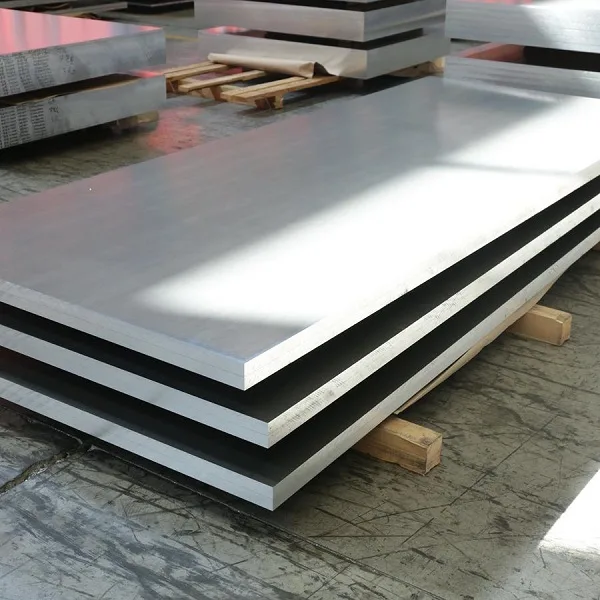
5454-H32 and 5454-O aluminum sheet are two material conditions of the same aluminum-magnesium alloy, but they offer different mechanical characteristics and fabrication behavior. The main distinction is their temper: H32 is strain-hardened and stabilized, while O is the annealed condition. This difference influences strength, ductility and the material’s response to bending and other forming operations.
For industrial buyers, selecting between 5454-H32 and 5454-O requires more than comparing general strength values. The intended application, component geometry, sheet thickness, forming process and applicable material specification must all be considered. A material that performs well in a relatively simple fabricated panel may not be suitable for a component involving demanding deformation or specific structural requirements.
5454 aluminum is a non-heat-treatable aluminum-magnesium alloy valued for its corrosion resistance and mechanical characteristics. It is considered for various industrial fabrication applications where material selection must balance strength, corrosion resistance and manufacturing requirements.
TOP METAL supplies 5454-H32 aluminum sheet and plate for industrial buyers. Understanding the differences between H32 and O temper can help purchasing and engineering teams define the correct material requirements before placing an order.
1. What Is 5454 Aluminum and Why Is It Used in Industrial Applications?
5454 aluminum belongs to the 5xxx series of aluminum-magnesium alloys. Unlike heat-treatable aluminum alloys, its strength is primarily developed through controlled strain hardening rather than conventional precipitation hardening.
Magnesium is the principal alloying element responsible for many of the material’s mechanical and corrosion-resistant characteristics. This makes 5454 relevant to industrial applications where aluminum components must operate under demanding environmental and fabrication conditions.
Common application areas include:
-
Transportation equipment: Fabricated components where material strength, weight and corrosion resistance are important.
-
Tank and vessel fabrication: Components designed according to the applicable material and engineering requirements.
-
Marine-related equipment: Selected fabricated parts exposed to corrosive environments.
-
Industrial structures: Sheet and plate components requiring a suitable combination of mechanical properties and fabrication performance.
-
Chemical processing equipment: Applications where material compatibility and corrosion resistance must be evaluated.
The suitability of 5454 aluminum depends on the actual operating environment, product thickness, temper and engineering requirements. Buyers should confirm the applicable material specification rather than selecting an alloy based on its general application description alone.
2. What Is the Difference Between 5454-H32 and 5454-O?
The main difference between 5454-H32 and 5454-O is the material’s processing condition.
Although both belong to the 5454 aluminum alloy family, their different tempers result in different mechanical properties and forming behavior.
5454-H32: Strain-Hardened and Stabilized Aluminum
H32 identifies an aluminum condition that has been strain-hardened and stabilized to a quarter-hard condition.
Strain hardening increases material strength through controlled plastic deformation. Stabilization establishes a more stable condition following the hardening process.
For industrial manufacturers, 5454-H32 is relevant when the component requires a defined mechanical property range while retaining the fabrication characteristics associated with this temper.
Its general selection considerations include:
-
Higher strength than the corresponding annealed condition.
-
Lower ductility than O temper.
-
Suitability for selected sheet-metal fabrication operations.
-
The need to assess bending geometry and forming limitations.
-
The importance of maintaining the specified temper throughout purchasing and material verification.
5454-O: Annealed Aluminum
O temper identifies the annealed condition.
Annealing reduces the effects of prior strain hardening and produces a softer material condition. Compared with H32, 5454-O generally provides lower strength and greater ductility.
This condition may be considered when manufacturing requires more substantial material deformation or when the engineering specification explicitly calls for annealed material.
Important considerations include:
-
Lower strength than the corresponding H32 condition.
-
Greater ductility.
-
Potential suitability for more demanding forming operations.
-
The need to verify the finished component’s mechanical requirements.
-
The importance of evaluating the material after any subsequent fabrication process.
5454-H32 vs 5454-O: Key Differences
| Comparison | 5454-H32 | 5454-O |
|---|---|---|
| Temper condition | Strain-hardened and stabilized | Annealed |
| Strength | Generally higher | Generally lower |
| Ductility | Generally lower | Generally higher |
| Forming considerations | Requires appropriate bend and tooling assessment | Often considered for more demanding forming |
| Typical selection priority | Defined mechanical properties and strength | Greater deformation capability |
| Verification | H32 material specification and test results | O temper specification and test results |
Actual mechanical properties depend on the applicable standard, product form and thickness. Buyers should not use a general comparison table as a substitute for the relevant material specification.
3. How Does Temper Affect Aluminum Sheet Bending and Forming?
Temper selection becomes particularly important when 5454 aluminum is processed through bending, stamping, rolling or other forming operations.
During forming, the material experiences plastic deformation. If the selected temper, bend geometry or tooling is unsuitable, the sheet may develop cracks, surface damage or dimensional deviations.
Bend Radius and Sheet Thickness
The practical bending performance of aluminum sheet depends on several interacting factors:
-
Alloy and temper.
-
Material thickness.
-
Inside bend radius.
-
Bend angle and geometry.
-
Rolling direction relative to the bend line.
-
Edge quality and cutting method.
-
Tooling and forming conditions.
5454-O generally offers greater ductility and may be considered for more demanding bending operations.
5454-H32 provides a higher-strength condition, but the forming team must evaluate whether the selected inside bend radius and tooling are suitable for the specified thickness.
There is no universal minimum bend radius that applies to every 5454-H32 or 5454-O sheet. The actual forming requirements should be checked against reliable material data and validated using representative production material.
Stamping and Complex Forming
For components involving stamping or multiple forming stages, material behavior becomes more important.
The manufacturer should evaluate how the aluminum flows under forming pressure and whether localized thinning, cracking or surface defects may occur.
A relatively simple panel and a deeply formed component may require different material conditions, even when both are manufactured from the same alloy.
For this reason, material selection should consider the complete manufacturing sequence rather than only the first forming operation.
4. What Should Manufacturers Know About Welding 5454 Aluminum?
5454 aluminum is used in fabricated equipment where welding may form part of the production process.
However, the original material temper does not necessarily describe the mechanical condition of the finished welded assembly.
5454-H32 develops its strengthened condition through strain hardening. Welding introduces localized heat, which can reduce the effects of prior cold working in the heat-affected zone.
This can result in differences between the mechanical properties of the original parent material and those of the welded region.
Manufacturers should therefore consider:
-
The selected welding process.
-
Joint design and material thickness.
-
Heat input and the resulting heat-affected zone.
-
Filler material compatibility.
-
Required welding procedures and inspection.
-
The mechanical requirements of the finished assembly.
For structural or pressure-related equipment, the engineering team should assess the complete welded component under the applicable design and fabrication requirements.
A mill test report for the original H32 sheet alone does not establish the mechanical properties of the finished welded joint.
5. Which Applications Are Better Suited to 5454-H32 or 5454-O?
The correct temper depends on the performance requirements of the finished component and its manufacturing process.
When Should You Choose 5454-H32?
5454-H32 is worth considering when the application requires the mechanical properties associated with a strain-hardened condition and the planned fabrication operations are compatible with that temper.
Potential application areas include:
-
Industrial fabricated panels.
-
Transportation equipment.
-
Tank and vessel components.
-
Marine-related fabricated structures.
-
Sheet-metal components with specified mechanical requirements.
The final selection should be verified against the applicable engineering specification and operating conditions.
When Should You Consider 5454-O?
5454-O may be more appropriate when greater ductility is an important manufacturing consideration.
It can be evaluated for:
-
Components involving substantial bending.
-
Parts with more demanding forming geometries.
-
Fabrication processes requiring greater material deformation.
-
Applications where the engineering drawing specifies an annealed condition.
However, better formability does not automatically mean that O temper is the correct choice. The finished component must still satisfy its strength and service requirements.
A Practical Material Selection Example
Consider two manufacturers purchasing 5454 aluminum sheet.
The first manufacturer produces an industrial component whose engineering drawing specifies 5454-H32. The design and material requirements are based on the mechanical properties associated with that temper. Substituting O temper simply to make forming easier would require an engineering review.
The second manufacturer produces a component involving more demanding deformation. Its engineering team may evaluate 5454-O to obtain greater ductility, provided the finished component continues to satisfy the applicable mechanical and service requirements.
These examples illustrate why temper selection should begin with the finished part and its manufacturing process, rather than the supplier’s available stock alone.
6. What Information Should Buyers Specify When Purchasing 5454 Aluminum Sheet?
Once the alloy and temper have been selected, buyers should prepare a complete material specification.
An incomplete RFQ may result in suppliers quoting different material conditions, product dimensions or documentation requirements. This makes technical comparison and purchasing decisions more difficult.
For 5454 aluminum sheet and plate, buyers should include:
| Specification | Information to Provide |
|---|---|
| Alloy | 5454 |
| Temper | H32 or O |
| Product form | Aluminum sheet or plate |
| Thickness | Required nominal thickness |
| Width and length | Required dimensions |
| Dimensional tolerances | Applicable tolerances |
| Material standard | Specified standard and edition |
| Surface condition | Mill finish or other agreed condition |
| Quantity | Required purchasing quantity |
| Documentation | Material test report and agreed inspection records |
| Packaging | Export packaging and identification requirements |
Buyers should also clarify whether the requested dimensions are nominal or subject to specific dimensional tolerances.
Material certificates should identify the relevant alloy, temper, applicable specification and material lot. Test results must be evaluated against the requirements applicable to the ordered product form and thickness.
7. Why Source 5454-H32 Aluminum Sheet from TOP METAL?
For industrial aluminum buyers, selecting a supplier involves more than confirming that a company lists the required alloy.
The requested material condition, dimensions, applicable standard and documentation must all match the purchasing requirements.
TOP METAL supplies 5454-H32 aluminum sheet and plate for industrial purchasing requirements.
When requesting a quotation, buyers should clarify:
-
Required alloy and temper.
-
Sheet or plate dimensions.
-
Thickness and quantity.
-
Applicable material specification.
-
Surface and packaging requirements.
-
Material documentation and traceability needs.
Explore TOP METAL’s 5454-H32 Aluminum Plate and Sheet product page for the product reference.
For a project-specific quotation, provide the material drawing or technical specification through the TOP METAL Request a Quote page.
Frequently Asked Questions
Is 5454-H32 stronger than 5454-O?
Generally, yes. H32 is strain-hardened and stabilized, while O is annealed. H32 typically provides higher strength, whereas O offers greater ductility. Exact properties depend on the applicable material standard and thickness.
Can 5454-O replace 5454-H32?
Not automatically. The two tempers have different mechanical properties. Any substitution should be evaluated against the engineering drawing, design requirements and manufacturing process before approval.
Is 5454 aluminum suitable for welding?
5454 aluminum is used in welded fabrication. However, welding can change the local mechanical properties of strain-hardened material. The welding procedure, joint design and heat-affected zone should be evaluated for the intended application.
Can 5454-H32 aluminum sheet be bent?
Yes, provided the sheet thickness, bend radius, rolling direction and tooling are appropriate. The proposed forming process should be evaluated against the actual material specification.
What information is required for a 5454-H32 aluminum sheet quotation?
Provide the alloy, temper, thickness, width, length, quantity, applicable material standard, surface requirements and documentation needs. A drawing and intended fabrication process can also help clarify the material requirements.
What is the difference between 5454 and 5052 aluminum?
Both belong to the 5xxx aluminum-magnesium alloy series, but they have different chemical compositions and property ranges. Selection should be based on the application, required mechanical properties, corrosion environment and applicable material specification.