
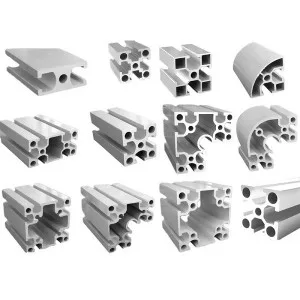
Custom aluminum profile manufacturer
Custom Aluminium profile is widely used in construction, machinery, industry, etc. Aluminium profiles are a great way to add both style and function to your home.
Read MoreAutomotive Aluminum Profile Bending in China: Manufacturer, Factory and Supplier Guide | SUZHOU TOP METAL MATERIALS CO.,LIMITED
Use this page to evaluate China Automotive Aluminum Profile Bending Manufacturer, Factory & Suppliers from the perspective of supplier shortlist review. It brings together related products, practical selection checks, and buyer questions so your inquiry can be more specific from the beginning.
For a import distributor, the most useful starting point is packing method and export handling. Review the product matches, comparison notes, FAQs, and recent buyer-style feedback before sending final requirements.
Custom Aluminium profile is widely used in construction, machinery, industry, etc. Aluminium profiles are a great way to add both style and function to your home.
Read More
Deep Drawing Aluminum Sheet Circle 1050 1060 Aluminum Plate ASTM B209 Approved Deep drawing 1050 1060 ASTM B209 cookware use aluminium sheet circle Aluminum circle, as aluminum disc, is normally with …
Read More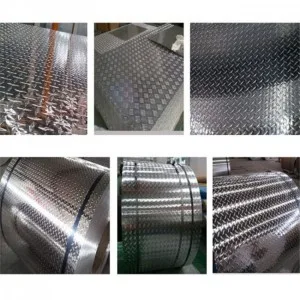
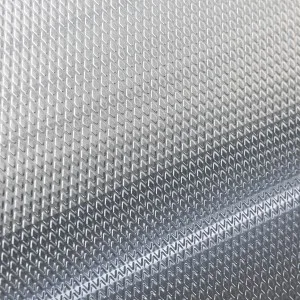
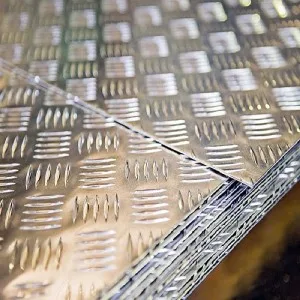
RuiYi Aluminum As one of the best decorative aluminium embossed plate manufacturers and suppliers can supply all types of checker plate, such as plate floor diamond, embossed tread plate, non-slip sta…
Read More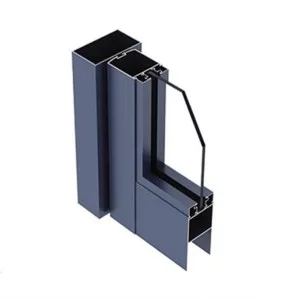
Aluminium extrusion profile for doors and windows is a kind of door and window frame decoration building material made of aluminum alloy as raw material. Its advantages are…
Read More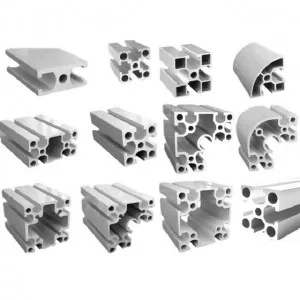
Aluminum profiles are products born from aluminum alloys bar that are transformed into shaped objects through the extrusion process. Extrusion alumium profiles are used in…
Read More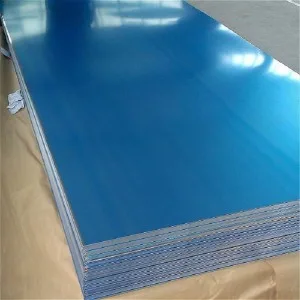
Aluminium 1080A, with the European designation EN AW-1080A is a ‘commercially pure’ alloy, minimum 99.8% Al, available as round bar or wire For the 1080 industrial pure aluminum, with high plast…
Read MoreAutomotive Aluminum Profile Bending Product Guide
The related product list helps you compare China Automotive Aluminum Profile Bending Manufacturer, Factory & Suppliers by actual product direction rather than keyword wording alone. Check whether each product supports supplier shortlist review, then use the table below to prepare a clearer RFQ.
| Criterion | What To Check | Why It Matters | Buyer Tip |
|---|---|---|---|
| Packing method | Ask crate, wrap, and labeling details | Protects bent profiles in export transit | Request packing photos in RFQ |
| Export handling | Confirm documents and Incoterms | Reduces customs and delivery delays | Share destination port early |
| Custom bending plan | Provide radius, alloy, temper, length | Improves fit for automotive use | Attach drawings or samples |
| Specification review | Check tolerance and surface needs | Avoids mismatch during assembly | List critical dimensions clearly |
| Supplier response | Compare answers on lead time and support | Helps shortlist reliable suppliers | Use the same RFQ template |
A suitable China Automotive Aluminum Profile Bending Manufacturer, Factory & Suppliers partner should be able to discuss profile use, bending requirements, finish options, packing needs, and export documentation before quoting. This helps confirm whether the supplier understands the application instead of only offering a general product list.
For a shortlist review, share drawings, target quantities, destination, required packing method, and timeline expectations. Clear project information makes it easier to compare supplier replies and identify communication gaps early.
Start with the application. Define where the automotive aluminum profile bending parts will be used, what dimensions or tolerances matter, whether appearance finish is important, and if the profile needs to match an existing assembly. This helps the supplier judge application fit and suggest workable custom options.
Next, prepare your customization plan. Include drawings, photos, sample references, alloy or surface finish preferences, order quantity range, packing expectations, and destination market. If export handling is important, ask how the supplier prepares cartons, pallets, labeling, and shipping documents for bulk orders.
When comparing suppliers, do not evaluate price alone. Review whether each supplier asks useful follow-up questions, confirms technical details, explains lead-time factors, and responds clearly to RFQ updates. Good communication can reduce errors during sample approval and repeat order preparation.
Before placing a bulk order, confirm sample process, inspection points, packing method, after-sales support contact, and how specification changes are handled. These checks are especially useful for import distributors managing customer expectations across several supplier options.
| Criteria | Importance | Description | Example Options |
|---|---|---|---|
| Drawing review | High | Confirms bend feasibility and tolerances. | 2D/3D files with radius notes |
| Packing method | High | Reduces transit and handling damage risk. | Separated bundles with surface protection |
| Customization scope | High | Matches profile design to application. | Alloy, finish, holes, bend angle |
| Export handling | Medium | Supports smoother distributor import workflow. | Labels and standard export documents |
| Communication quality | High | Improves RFQ accuracy and issue tracking. | Clear replies to specification questions |
Recommended Products
Top product matches should be reviewed by fit, specification clarity, customization readiness, and how well they support customization planning. Use these factors to shortlist practical options before contacting the supplier.





How to compare 5052, 5083, 6061 and 7075 aluminum
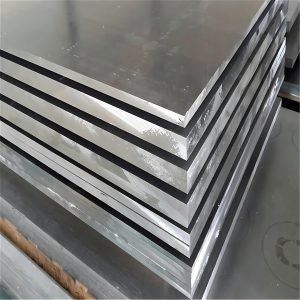
T6 vs T651 vs H116: what the suffix changes
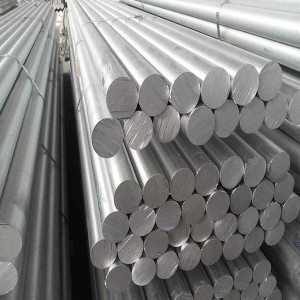
Estimating material weight before shipment planning
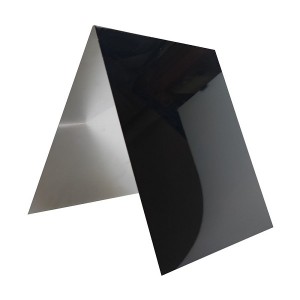
When anodized sheet is better than mill finish aluminum
Buyer feedback on this page can help you understand common review situations such as planning a custom project, checking product specifications, comparing supplier options, and preparing an RFQ.
I used this automotive aluminum profile bending page to separate bend radius, section shape, and vehicle trim application questions before drafting my supplier inquiry.
I needed clearer wording for automotive aluminum profile bending, and this page helped me ask about deformation control, fixture needs, and drawing review.
For shortlisting automotive aluminum profile bending options, I liked having prompts around profile geometry, surface expectations, and consistency across repeated bends.
I was preparing an RFQ for automotive aluminum profile bending, and the page reminded me to include alloy, temper, bend angle, and end-use context.
Review drawing interpretation, bending tolerance discussion, material grade options, surface finish handling, packing method, and export document coordination. A clear technical response helps reduce mismatch risk before adding the supplier to your shortlist.
Provide vehicle-related use, profile section, bend radius, wall thickness, alloy preference, surface finish, and assembly requirements. These details help the supplier assess forming feasibility and recommend practical adjustments for stable production planning.
Clarify alloy, temper, profile dimensions, bending angle, radius, length tolerance, finish protection, hole or slot processing, and packing layout. Confirm which items require drawings, samples, or technical review before quotation.
Ask how profiles are separated, protected from scratches, bundled, labeled, and placed for container loading. Also confirm available export document support and whether packing can match distributor warehouse handling requirements.
Ask how nonconforming items are reviewed, what photos or measurements are required, and how corrective feedback is handled. This helps define communication steps if bending accuracy, finish, or packing issues are found after receipt.
Share order quantity, drawing complexity, tooling or sample needs, finish requirements, and packing expectations. Request a staged timeline covering technical review, sampling if needed, production planning, inspection, and export preparation for comparison.
Send your drawings, quantity range, destination, packing requirements, and lead-time questions so the supplier can respond with details relevant to your project.