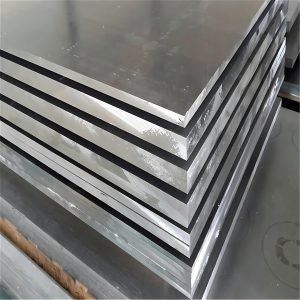
China Aluminum Coil Cost Manufacturer, Factory & Suppliers should be reviewed by more than unit price. Procurement teams need to compare alloy, thickness, width, surface finish, tolerance needs, customization scope, packaging method, and sample approval requirements for the intended OEM application.
A useful inquiry should explain the project use, estimated order volume, delivery destination, expected timeline, and any required test or inspection details. This helps suppliers respond with relevant product options instead of a general quotation.
Start by matching the aluminum coil to the application. Confirm whether the coil will be used for forming, decoration, cladding, insulation, stamping, or another OEM process. This will influence the alloy, temper, thickness, surface treatment, and tolerance range you should discuss with the supplier.
Next, prepare your customization requirements before requesting pricing. Include coil width, inner diameter, outer diameter limits, surface finish, protective film needs, color or coating requirements, and any branding or label instructions. If sample approval is part of your process, ask what sample formats can be provided and how they should be evaluated.
For bulk order preparation, give suppliers a realistic quantity range, target shipment schedule, destination port, and packaging requirements. Export orders may need moisture protection, pallet details, coil eye direction, labeling, and loading considerations, so these points should be confirmed before final quotation.
When comparing supplier replies, look for clear answers to application questions, custom options, lead-time questions, and packaging details. A practical shortlist should include suppliers that understand your project context and can support specification confirmation before production.