

Marine Grade aluminum Plate sheet Coil
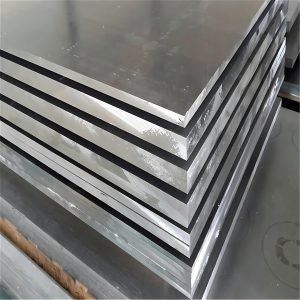
Marine Grade aluminum plate sheet coil has excellent resistance against seawater and industrial chemicals, It is applicable for the manufacturing of different kinds of ships…
Read MoreAluminum Coil Roller Sourcing in China: Manufacturer, Factory and Supplier Guide | SUZHOU TOP METAL MATERIALS CO.,LIMITED
Use this page to evaluate China Aluminum Coil Roller Manufacturer, Factory & Suppliers from the perspective of OEM project planning. It brings together related products, practical selection checks, and buyer questions so your inquiry can be more specific from the beginning.
For a procurement manager, the most useful starting point is customization scope and sample approval. Review the product matches, comparison notes, FAQs, and recent buyer-style feedback before sending final requirements.
Marine Grade aluminum plate sheet coil has excellent resistance against seawater and industrial chemicals, It is applicable for the manufacturing of different kinds of ships…
Read More
4017 aluminum sheet is a bright finish tread similar to 3003 grades. 4017 aluminium coils provides durability. Also referred to as Aluminum Diamond Plate, Aluminum Tread Plate,…
Read More
1050 aluminum sheet is the most useful sort of series 1000 aluminum alloy. As a kind of pure aluminium sheet, 1050 aluminium sheet is excellent on corrosion resistance, thermal conductivity and electr…
Read More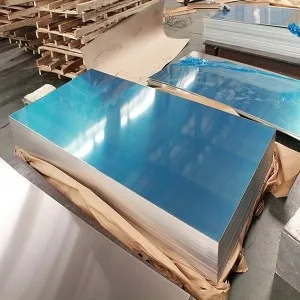
China aluminum sheet coil suppliers RAYIWELL MFG / RuiYi aluminum can offer 1050 1100 2024 3003 4017 5052 6061 7075 aluminum sheet or aluminum coil in custom sizes and patterns…
Read More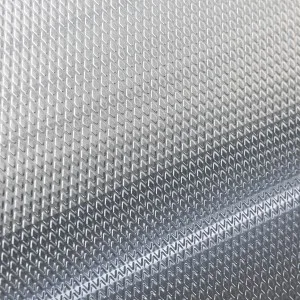
Aluminum embossed plate coils are commonly used in various industries, including automotive, construction, and signage. They are lightweight, durable, and resistant to…
Read More
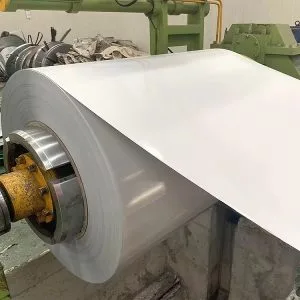
1050 aluminum strip coil are often used in daily necessities, lighting fixtures, reflectors, decorations, chemical industry containers, heat sinks, signs, electronics, lamps, nameplates, electrical ap…
Read MoreAluminum Coil Roller Product Guide
The related product list helps you compare China Aluminum Coil Roller Manufacturer, Factory & Suppliers by actual product direction rather than keyword wording alone. Check whether each product supports OEM project planning, then use the table below to prepare a clearer RFQ.
| Criterion | What To Check | Why It Matters | Buyer Tip |
|---|---|---|---|
| Application fit | Match coil roller size to OEM line layout | Avoids redesign during planning | Share drawings in RFQ |
| Customization scope | Confirm diameter, width, surface, and tolerance options | Defines supplier capability early | List must-have specs |
| Sample approval | Request sample or prototype review process | Reduces bulk order risk | Set approval criteria |
| Technical details | Verify material grade and machining requirements | Supports accurate quotation | Attach spec sheet |
| Export order support | Check packing, labeling, and document needs | Helps procurement schedule delivery | Confirm before PO |
If you are searching for China Aluminum Coil Roller Manufacturer, Factory & Suppliers, start by checking whether the supplier can match your application, drawings, size range, surface needs, and order plan.
A useful inquiry should include the intended use, required specifications, quantity estimate, destination, sample approval steps, and any custom options. This helps the supplier confirm fit before pricing.
Begin with the application. Tell the supplier where the aluminum coil roller will be used, what function it must support, and which dimensions, materials, or finishes are fixed. For OEM project planning, application matching is the first filter.
Build a shortlist by comparing technical details such as size tolerance, surface treatment, structure, compatible materials, packaging method, and available customization. If possible, share drawings, photos, samples, or reference products.
Before requesting a formal quote, define your expected order quantity, destination port or delivery location, target schedule, inspection needs, and sample confirmation process. This makes supplier replies easier to compare.
When reviewing supplier feedback, look for clear answers about custom options, sample lead time, quality checks, and after-sales communication. Practical follow-up questions are often more useful than a general product list.
| Criteria | Importance | Description | Example Options |
|---|---|---|---|
| Sample approval | High | Confirms fit before order | Check dimensions and finish |
| Customization scope | High | Matches OEM design needs | Groove, shaft, surface |
| Technical data | High | Supports accurate RFQ review | Drawing plus load details |
| Quality checks | Medium | Defines acceptance points | Tolerance and surface review |
| Export communication | Medium | Keeps order details aligned | Revision and feedback records |
Recommended Products
Top product matches should be reviewed by fit, specification clarity, customization readiness, and how well they support application matching. Use these factors to shortlist practical options before contacting the supplier.





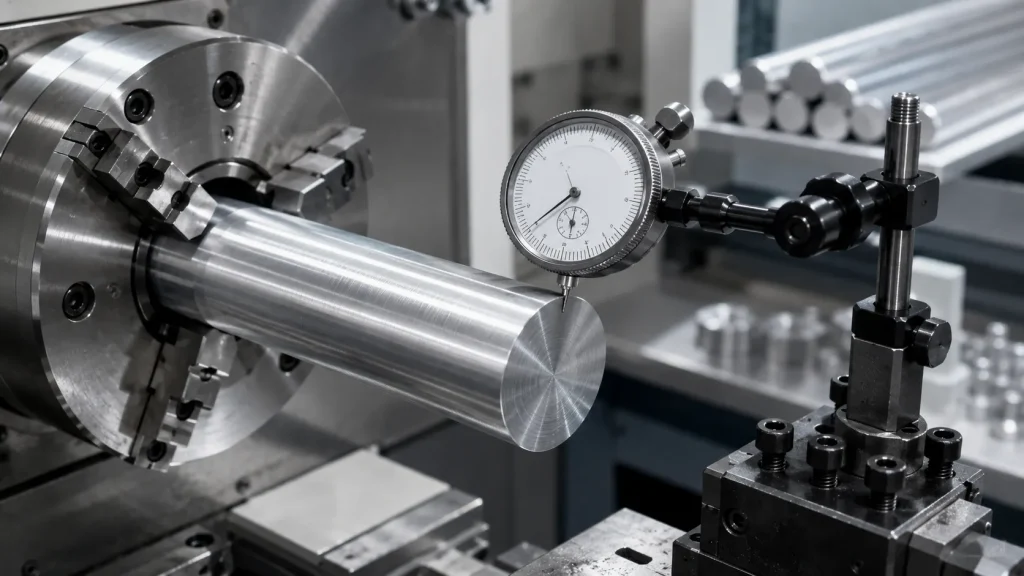
Is Your Aluminum Bar Causing CNC Turning Runout? Aluminum bar may contribute to CNC turning runout when it is bent, out of round, inconsistent in diameter, damaged near the clamping area, or deformed …

Aluminum sheet flatness should be specified before purchase, especially when the material will be laser cut, punched, bent, machined, laminated, or used as a visible panel. This matters to sheet-metal…

How to compare 5052, 5083, 6061 and 7075 aluminum
T6 vs T651 vs H116: what the suffix changes
Buyer feedback on this page may help you compare supplier options while checking product specifications, preparing an RFQ, or reviewing export order needs.
I used the aluminum coil roller page to refine our handling questions before contacting China supplier options, especially around coil width, surface protection, and roller fit.
I was comparing aluminum coil roller sourcing notes and this page helped me separate material compatibility, roller dimensions, and intended line use in my inquiry.
I found the aluminum coil roller content useful because it reminded me to confirm coil thickness range and handling method before asking suppliers for recommendations.
I needed a clearer way to discuss an aluminum coil roller for our processing setup, and the page helped me frame application details without overexplaining.
Confirm the sample against drawing requirements, roller dimensions, aluminum coil grade, surface finish, tolerance points, and intended assembly position. Record approval notes before moving the supplier into RFQ or batch discussion.
Provide drawings or sketches, outer diameter, width, shaft details, material preference, surface treatment, load conditions, operating environment, and target application. Clear technical input helps suppliers judge manufacturability and customization scope.
Review dimensional inspection, surface appearance checks, material conformity, concentricity needs, and packaging protection requirements. For OEM planning, define inspection points in advance so both sides understand acceptance criteria.
Match the roller design with coil handling direction, contact surface, load level, rotation requirement, and installation space. Application matching reduces redesign risk when building a product shortlist across Chinese suppliers.
Common discussion points include roller size, shaft structure, groove design, surface texture, anodized or coated finish requirements, and drawing-based machining. Custom options should be linked directly to the equipment function.
Clarify how technical questions, drawing revisions, installation feedback, and issue documentation will be handled after shipment. Buyers should define communication channels and evidence needed for any quality or fit-related review.
Send your application details, drawings, quantity plan, destination, and sample requirements so the supplier can respond with a more relevant aluminum coil roller proposal.