Aluminum vs Copper Coil Sourcing in China: Manufacturer, Factory and Supplier Guide | SUZHOU TOP METAL MATERIALS CO.,LIMITED

Aluminum vs Copper Coil Sourcing in China: Manufacturer, Factory and Supplier Guide

Use this page to evaluate China Aluminum Coil Vs Copper Coil Manufacturer, Factory & Suppliers from the perspective of sample approval workflow. It brings together related products, practical selection checks, and buyer questions so your inquiry can be more specific from the beginning.

For a wholesale buyer, the most useful starting point is application fit and specification clarity. Review the product matches, comparison notes, FAQs, and recent buyer-style feedback before sending final requirements.

Hot Selling Product

How To Compare aluminum coil vs copper coil Options

Product Guide

The related product list helps you compare China Aluminum Coil Vs Copper Coil Manufacturer, Factory & Suppliers by actual product direction rather than keyword wording alone. Check whether each product supports sample approval workflow, then use the table below to prepare a clearer RFQ.

Criterion What To Check Why It Matters Buyer Tip
Application fit Match coil type to use case Avoids wrong sample choice Share drawings and duty conditions
Specification clarity Confirm alloy, temper, size Improves RFQ accuracy Use one spec sheet format
Sample approval Request test data with samples Supports buyer comparison Log feedback by batch
Custom options Ask MOQ, tolerance, surface Plans bulk order needs List must-have vs optional
Supplier communication Compare response detail Shows export readiness Send identical questions

How To Choose aluminum coil vs copper coil Supplier

Aluminum coil and copper coil should be compared by intended use, required dimensions, surface needs, processing method, and budget expectations. The right choice depends on how the material will be formed, installed, transported, or combined with other parts.

For B2B sourcing, ask suppliers to confirm available specifications, sample options, packaging methods, and export order support. A clear inquiry helps the supplier recommend suitable materials instead of sending a general catalog only.

Begin with the application. Share whether the coil is for fabrication, decoration, electrical-related use, heat transfer, construction, packaging, or another project. Include drawings, target thickness, width, surface finish, tolerance needs, and any processing requirements.

For sample approval, prepare a simple checklist. Confirm sample size, material grade or reference, finish requirements, inspection points, labeling, and delivery method. This helps both sides review the same details before moving toward a larger order.

When comparing suppliers, look at how clearly they answer specification questions. Useful replies should explain available coil sizes, customization limits, packaging choices, lead time factors, and what information is needed for an accurate quotation.

Before bulk ordering, confirm quantity range, destination port or address, packing requirements, documentation needs, and after-sales communication process. If repeat orders are expected, ask how specifications and packaging consistency will be managed.


Criteria Importance Description Example Options
Application fit High Match coil material to use conditions. Conductivity, weight, corrosion exposure
Specification clarity High Define grade, temper, size, finish. Alloy, thickness, width, surface
Sample review High Check sample against RFQ needs. Tolerance, appearance, forming test
Customization planning Medium Confirm feasible options early. Edge, coating, packaging preference
Supplier communication Medium Compare response detail and accuracy. Drawings, standards, application notes

Top Product Matches

Recommended Products

Top product matches should be reviewed by fit, specification clarity, customization readiness, and how well they support supplier comparison. Use these factors to shortlist practical options before contacting the supplier.

Top Selling Product Selection Factors

Application matching Core for coil choice
Spec completeness Reduces RFQ gaps
Sample traceability Helps approval review
Customization planning Clarifies order scope
After-sales response Supports bulk orders

Blog Articles / Reviews

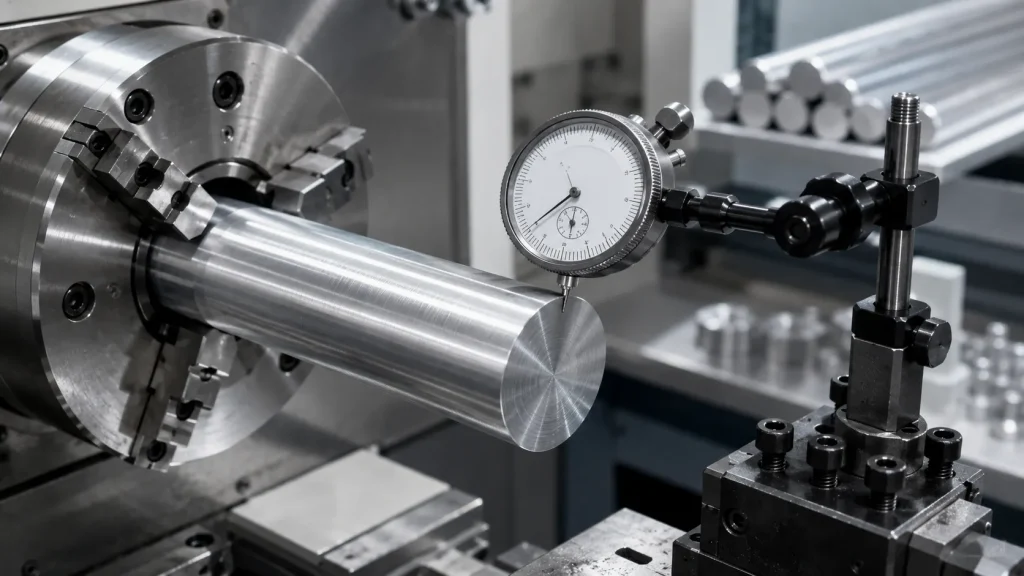
Is Your Aluminum Bar Causing CNC Turning Runout?

Is Your Aluminum Bar Causing CNC Turning Runout?

Is Your Aluminum Bar Causing CNC Turning Runout? Aluminum bar may contribute to CNC turning runout when it is bent, out of round, inconsistent in diameter, damaged near the clamping area, or deformed …

Buyer feedback on this page reflects common sourcing situations such as preparing an RFQ, reviewing export order needs, organizing sample questions, and confirming application details.

Priya N. Shah July 24, 2026
I used the aluminum coil vs copper coil notes to separate corrosion concerns, weight limits, and conductivity needs before contacting potential suppliers.
Caleb T. Morris July 19, 2026
I needed a practical aluminum coil vs copper coil comparison, and this page helped me ask sharper questions about forming, thermal performance, and end-use conditions.
Nadia V. Coleman July 11, 2026
When comparing aluminum coil vs copper coil for procurement, I found the application-focused points useful for clarifying durability expectations with our technical buyer.
Marcus E. Lang June 30, 2026
I reviewed the aluminum coil vs copper coil page while preparing a sourcing brief, and it helped me prioritize weight, conductivity, and maintenance considerations.

Frequently Asked Questions

How should a wholesale buyer compare aluminum coil vs copper coil during sample approval?

Compare the sample against the intended application, required conductivity, weight limits, forming method, surface finish, and tolerance needs. For China Aluminum Coil Vs Copper Coil Manufacturer, Factory & Suppliers review, request clear material grades and test references.

What quality checks should be requested before choosing a China aluminum coil vs copper coil supplier?

Ask for checks related to thickness, width, surface condition, mechanical properties, chemical composition, and packaging suitability. The goal is to confirm specification consistency before sample sign-off, not to rely on general supplier claims.

Which application details help determine whether aluminum coil or copper coil is better?

Share the end use, operating environment, electrical or thermal performance needs, corrosion exposure, forming process, and joining method. These details help suppliers suggest whether aluminum coil or copper coil better matches the project requirements.

What custom options should be clarified in an RFQ for aluminum coil vs copper coil?

Clarify alloy or grade, temper, coil width, thickness range, surface treatment, inner diameter, edge condition, and packaging preference. Customization planning is easier when the RFQ separates mandatory specifications from preferred options.

How can buyers improve communication with aluminum coil vs copper coil manufacturers and suppliers in China?

Use a structured inquiry with drawings, standards, application notes, target tolerances, sample evaluation points, and export documentation needs. Clear questions reduce back-and-forth and help compare supplier responses on specification fit.

What should be prepared before moving from sample review to a bulk order discussion?

Prepare approved sample records, confirmed specifications, packaging requirements, inspection points, labeling needs, and any changes from the trial sample. This helps align the supplier on production expectations without changing the approved application basis.

Leave Your Message

Send your material requirements, application details, drawings or sample references, quantity range, and delivery destination. Clear information helps the supplier respond with suitable coil options and quotation details.