
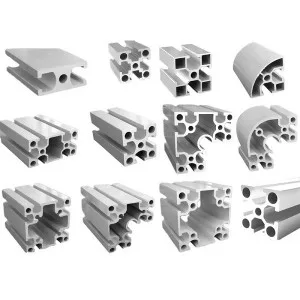
Custom aluminum profile manufacturer
Custom Aluminium profile is widely used in construction, machinery, industry, etc. Aluminium profiles are a great way to add both style and function to your home.
Read MoreChina Aluminum Profile DWG Sourcing: Manufacturer, Factory and Supplier Guide | SUZHOU TOP METAL MATERIALS CO.,LIMITED
Use this page to evaluate China Aluminum Profile DWG Manufacturer, Factory & Suppliers from the perspective of new product line development. It brings together related products, practical selection checks, and buyer questions so your inquiry can be more specific from the beginning.
For a product development team, the most useful starting point is quality inspection points and documentation. Review the product matches, comparison notes, FAQs, and recent buyer-style feedback before sending final requirements.
Custom Aluminium profile is widely used in construction, machinery, industry, etc. Aluminium profiles are a great way to add both style and function to your home.
Read More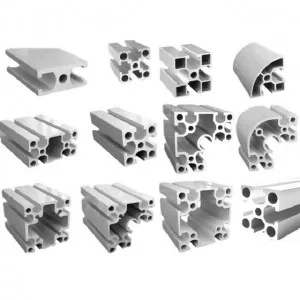
Aluminum profiles are products born from aluminum alloys bar that are transformed into shaped objects through the extrusion process. Extrusion alumium profiles are used in…
Read More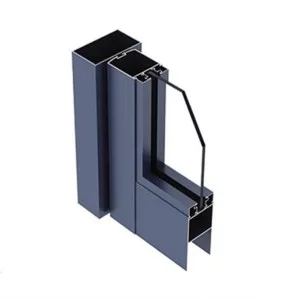
Aluminium extrusion profile for doors and windows is a kind of door and window frame decoration building material made of aluminum alloy as raw material. Its advantages are…
Read More
1050 aluminum strip coil are often used in daily necessities, lighting fixtures, reflectors, decorations, chemical industry containers, heat sinks, signs, electronics, lamps, nameplates, electrical ap…
Read More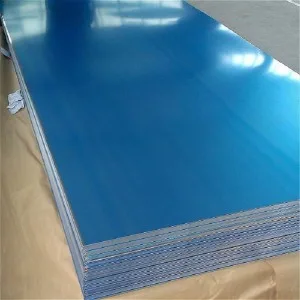
Aluminium 1080A, with the European designation EN AW-1080A is a ‘commercially pure’ alloy, minimum 99.8% Al, available as round bar or wire For the 1080 industrial pure aluminum, with high plast…
Read More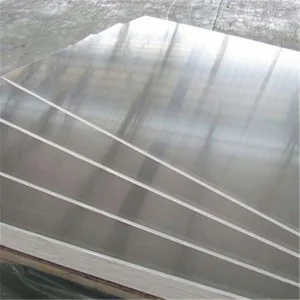
The pattern aluminum plate is also a kind of metal material, and it needs to be protected by scientific methods in daily operation. At the top of the list, regular cleaning, the stains on the exterior…
Read MoreAluminum Profile DWG Product Review
The related product list helps you compare China Aluminum Profile DWG Manufacturer, Factory & Suppliers by actual product direction rather than keyword wording alone. Check whether each product supports new product line development, then use the table below to prepare a clearer RFQ.
| Criterion | What To Check | Why It Matters | Buyer Tip |
|---|---|---|---|
| Application fit | Match China Aluminum Profile DWG Manufacturer, Factory & Suppliers to the real use case, operating environment, and buyer role. | A clear application fit helps avoid unsuitable product suggestions. | Share usage photos, drawings, target market, or project notes when available. |
| Specification scope | Confirm size range, material, finish, capacity, structure, and required accessories. | Specification gaps often slow down quotations and sample confirmation. | Separate must-have details from optional preferences before sending the inquiry. |
| Customization path | Ask which changes are standard, which require tooling, and which need sample approval. | Customization affects cost, timeline, packaging, and repeat order consistency. | Prepare logo, color, drawing, label, or packaging references early. |
| Supplier communication | Use this page to organize questions around new product line development. | Focused questions help the supplier reply with usable product options faster. | Include quantity, destination, application, and expected decision timeline. |
| Decision priority | Evaluate the offer against quality inspection points and documentation. | A defined priority makes it easier to compare similar-looking options. | Score each supplier by the same criteria instead of only comparing descriptions. |
China Aluminum Profile DWG Manufacturer, Factory & Suppliers should be evaluated by drawing compatibility, profile specifications, surface requirements, tolerance expectations, and the supplier’s ability to support documentation for review.
A useful inquiry should include application details, quantity range, target schedule, destination, packaging needs, and any inspection points your team must confirm before approval.
Start by defining how aluminum profile dwg will be used, what performance or appearance details matter, and which specifications cannot be changed. This gives the supplier a clear frame for recommending matching products.
Next, compare size range, material, finish, structure, packaging, accessories, and any branding or customization needs. If the project involves new product line development, include photos, drawings, sample references, or target market notes.
Before asking for a quotation, prepare quantity range, destination, expected timeline, and the approval process. For repeat orders, also ask how samples, inspection details, and packaging consistency will be handled.
When comparing replies, focus on quality inspection points and documentation. A supplier that asks relevant follow-up questions is often easier to evaluate than one that sends only a general product list.
| Criteria | Importance | Description | Example Options |
|---|---|---|---|
| DWG completeness | High | Controls review accuracy | Dimensions, tolerances, notes |
| Inspection focus | High | Defines quality checkpoints | Length, holes, surface |
| RFQ clarity | Medium | Improves supplier response | Quantity, finish, application |
| Packaging detail | Medium | Protects profile condition | Separators, labels, wrapping |
| Related product fit | Medium | Supports option comparison | Similar profile alternatives |
Recommended Products
Top product matches should be reviewed by fit, specification clarity, customization readiness, and how well they support quality review. Use these factors to shortlist practical options before contacting the supplier.







Is Your Aluminum Bar Causing CNC Turning Runout? Aluminum bar may contribute to CNC turning runout when it is bent, out of round, inconsistent in diameter, damaged near the clamping area, or deformed …

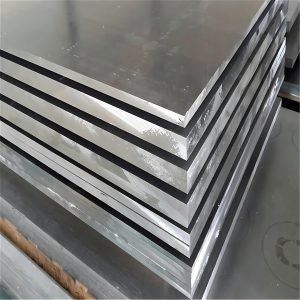
Aluminum sheet flatness should be specified before purchase, especially when the material will be laser cut, punched, bent, machined, laminated, or used as a visible panel. This matters to sheet-metal…

How to compare 5052, 5083, 6061 and 7075 aluminum
T6 vs T651 vs H116: what the suffix changes
These review situations reflect common B2B checks, including shortlisting related products, planning custom projects, checking specifications, and comparing supplier options.
I used the aluminum profile DWG page to check whether the drawing references matched our enclosure layout needs before sending a technical inquiry.
I needed clearer wording for aluminum profile DWG requests, and this page helped me separate drawing format questions from profile selection details.
I was preparing an RFQ, and the aluminum profile DWG content reminded me to include tolerance notes, slot dimensions, and intended assembly use.
I compared our internal frame concept against the aluminum profile DWG information and found it easier to explain what our engineer needed reviewed.
Send editable DWG files with critical dimensions, tolerances, alloy preference, surface finish needs, and application notes. Mark uncertain areas clearly so the supplier can review manufacturability, inspection points, and quotation assumptions before formal RFQ submission.
Confirm dimensional checkpoints, wall thickness control, cut length tolerance, surface appearance criteria, hole or slot accuracy, and packaging protection. These points help align engineering expectations with production review before approving samples or bulk order documentation.
Include DWG drawings, expected quantities, material grade request, finish type, machining details, inspection requirements, packaging notes, and target application. Clear RFQ data reduces repeated questions and supports more accurate technical comparison between supplier options.
Compare drawing compatibility, extrusion complexity, machining requirements, finish consistency, documentation response, and inspection communication. Avoid judging only by profile shape; review whether each supplier can discuss risks and required checks for your product design.
Ask what factors affect timing, such as tooling review, drawing confirmation, surface treatment, machining steps, inspection scope, and packaging method. Request a schedule basis tied to approved documents rather than accepting broad timing claims without context.
Define surface protection, separation method, bundle limits, label content, moisture considerations, and handling marks. Packaging notes should match profile finish and downstream assembly needs, helping reduce damage risk during transport and internal receiving checks.
Send your drawing, application details, quantity range, destination, lead-time request, and packaging requirements so the supplier can review your RFQ more accurately.