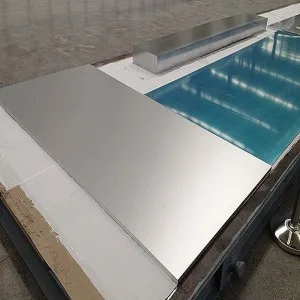
A suitable aluminum sheet 48 x 96 supplier should be evaluated by how clearly they confirm size, alloy, temper, surface condition, thickness range, cutting needs, and packaging method. For B2B purchasing, these details help reduce misunderstandings during quotation and sample review.
If you are preparing an RFQ, share the intended application, estimated order quantity, destination, required documents, and sample approval steps. This helps the supplier respond with a more practical product recommendation instead of a generic price list.
Start with the application. Aluminum sheet 48 x 96 may be considered for fabrication, panels, covers, display parts, equipment components, or other projects where flat sheet format and workable sizing matter. Confirm whether strength, appearance, corrosion resistance, forming performance, or surface protection is the main priority.
Then compare technical details between suppliers. Ask for available alloy and temper options, thickness tolerance, surface finish, protective film availability, cutting or edge requirements, and packing style. If your project needs customization, provide drawings, photos, sample references, or target use conditions.
For sample confirmation, define what the sample must prove. This may include surface quality, flatness, thickness, bending behavior, color consistency if coated, or packaging suitability for export handling. Clear sample questions make it easier to compare suppliers on application fit, not only unit price.
Before placing a bulk order, review quotation terms, lead time, inspection expectations, labeling needs, and after-sales communication process. A good supplier comparison should consider how clearly each factory answers technical questions and how consistently they support order follow-up.