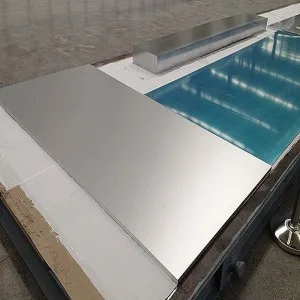
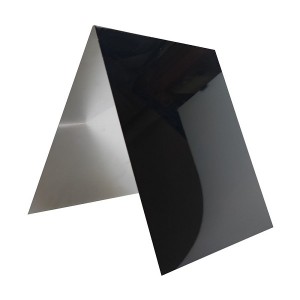
China Aluminum Sheet Bunnings Manufacturer, Factory & Suppliers should be evaluated by material grade, sheet thickness, surface condition, dimensional tolerance, packaging method, and the documents available for quality review.
For new product line development, the best first step is to share the intended application, required specifications, target quantity, and any sample or drawing reference. This helps the supplier respond with suitable options instead of a general product list.
Begin with the product function. Confirm whether the aluminum sheet needs to support forming, cutting, decorative use, corrosion resistance, or structural parts. Clear application details help narrow the alloy, temper, thickness, and finish before quotation.
Prepare your inspection checklist early. Common review points include surface defects, flatness, thickness tolerance, edge condition, coating or film condition, labeling, and packaging protection. Ask what inspection records or material documents can be provided with the order.
For RFQ preparation, include sheet size, alloy or equivalent requirement, temper, finish, quantity range, destination port or address, delivery expectations, and any custom cutting or packaging needs. If the product is still under development, mention whether samples or trial orders are required.
When comparing supplier replies, look beyond unit price. Check whether the supplier answers technical questions clearly, confirms limitations, explains custom options, and provides practical after-sales communication for quality feedback, replacement discussions, or future bulk order planning.