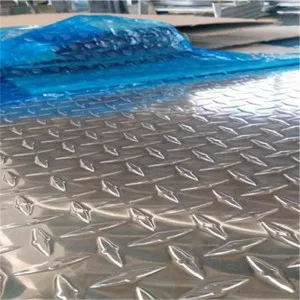
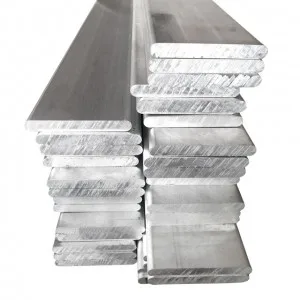
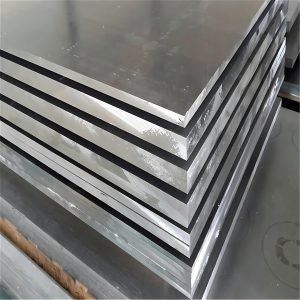
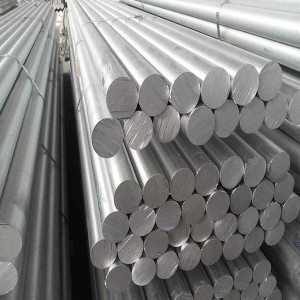
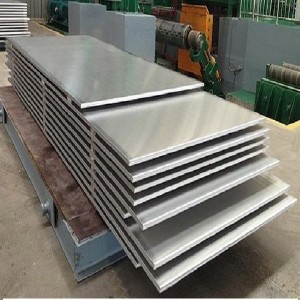
China Profile Aluminum Manufacturer, Factory & Suppliers should be evaluated by how closely available products match your required material, size, surface treatment, and assembly configuration. A useful supplier response should address your drawings, order volume, packaging needs, and export requirements rather than only sending a general catalog.
For bulk purchasing, prepare a structured inquiry with specifications, application context, quantity range, destination, and lead-time questions. This helps both sides confirm whether standard profiles, modified options, or fully customized production should be discussed.
Begin with the technical checklist. Confirm alloy or material requirements, profile dimensions, wall thickness, tolerance expectations, surface finish, color, length, and any drilling, cutting, or assembly needs. If drawings are available, include them with revision notes so the supplier can review the configuration accurately.
Next, prepare commercial and logistics details. Share estimated quantity, order frequency, destination port or delivery location, packaging requirements, labeling needs, and any carton, pallet, or protective wrapping preferences. These details are important when comparing quotations from multiple suppliers.
For custom options, ask how samples are handled, what information is needed for tooling or modification, and how changes are confirmed before bulk production. If you are still comparing supplier options, request clarification on finish choices, dimensional checks, and communication steps during order review.
When reviewing replies, look for complete answers rather than fast but vague pricing. A practical quotation should connect the product specification, quantity, packaging, lead time, and delivery terms. Follow-up questions from the supplier can also indicate whether your RFQ is being reviewed carefully.