
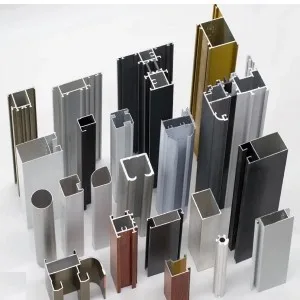
Anodized industrial aluminum profile extrusion
Anodized aluminum profiles extrusion can be seen in architectural and construction projects, in electronic and automotive industry, as well as in telecommunication and solar…
Read MoreIndustrial Aluminum Extrusion Profile Sourcing in China: Manufacturer, Factory and Supplier Guide | SUZHOU TOP METAL MATERIALS CO.,LIMITED
Use this page to evaluate China Industrial Aluminum Extrusion Profiles Manufacturer, Factory & Suppliers from the perspective of bulk purchasing evaluation. It brings together related products, practical selection checks, and buyer questions so your inquiry can be more specific from the beginning.
For a operations manager, the most useful starting point is material, size, and configuration matching. Review the product matches, comparison notes, FAQs, and recent buyer-style feedback before sending final requirements.
Anodized aluminum profiles extrusion can be seen in architectural and construction projects, in electronic and automotive industry, as well as in telecommunication and solar…
Read More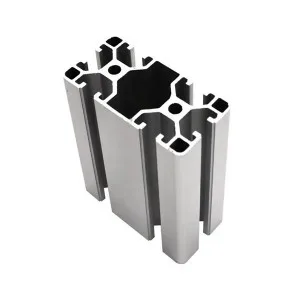
Industrial aluminium extrusion profiles are widely used and highly versatile. It is famous for its environmental protection, convenient assembly and disassembly, time saving…
Read More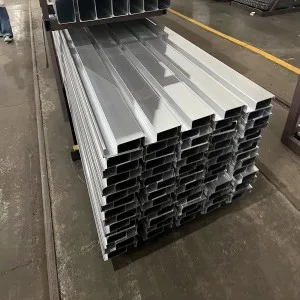
RAYIWELL MFG is a leading supplier and Manufacturer of 6061 6063 aluminum profiles, Aluminium Extrusion Sections, T Slot Aluminum Profiles, Industrial Aluminium Profiles, T-Slot Aluminium Profiles, Al…
Read More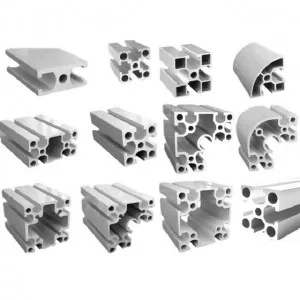
Aluminum profiles are products born from aluminum alloys bar that are transformed into shaped objects through the extrusion process. Extrusion alumium profiles are used in…
Read More
Polished Mill Finish Aluminum Round Plate 3003 5052 Round Aluminum Discs Polished / Mill Finish Aluminum Round Plate , 3003 5052 Round Aluminum Discs 1050 1060 aluminium discs circle manufacturer 3003…
Read More
5052 is an aluminium alloy, primarily alloyed with magnesium and chromium 5052 aluminum is the highest strength alloy of the more non-heat-treatable grades. Its resistance to fatigue is better than mo…
Read MoreIndustrial Aluminum Extrusion Profiles Product Guide
The related product list helps you compare China Industrial Aluminum Extrusion Profiles Manufacturer, Factory & Suppliers by actual product direction rather than keyword wording alone. Check whether each product supports bulk purchasing evaluation, then use the table below to prepare a clearer RFQ.
| Criterion | What To Check | Why It Matters | Buyer Tip |
|---|---|---|---|
| Alloy & temper | Match grade and temper to load use | Prevents under-spec material selection | List required alloy in RFQ |
| Profile size | Confirm section, wall, and length tolerances | Controls assembly fit and machining waste | Attach drawings or CAD files |
| Configuration | Review slots, holes, cuts, and surface needs | Aligns extrusion with production workflow | Mark critical dimensions clearly |
| Quality review | Ask for inspection items and sample approval | Reduces bulk order mismatch risk | Confirm sample before mass order |
| Export packing | Define bundle, film, pallet, and labeling needs | Protects profiles during transport | State packing rules in PO |
China Industrial Aluminum Extrusion Profiles Manufacturer, Factory & Suppliers should be evaluated by how closely available profiles match your required alloy, dimensions, tolerance expectations, surface treatment, and assembly configuration.
For bulk purchasing evaluation, prepare drawings, application details, target quantity, packaging needs, and sample questions. Clear technical information helps suppliers respond with more relevant quotations and reduces back-and-forth during comparison.
Start with a specification checklist. Confirm the profile application, required material grade, length, wall thickness, cross-section, surface finish, and whether machining, cutting, drilling, or accessories are needed. If drawings are available, include version numbers and key dimensions.
For quotation requests, provide estimated order quantity, delivery destination, preferred trade terms, expected schedule, and any inspection or documentation requirements. If the order is for export, mention packaging requirements such as bundling, protective film, cartons, pallets, or moisture protection.
Samples are useful when the profile is customized or when surface appearance matters. Ask what sample information is needed, whether an existing mold can be compared, and which technical details should be confirmed before mass production.
When comparing supplier responses, review whether the answer addresses material, size, configuration, packaging, and quality checks. A complete reply is easier to evaluate than a low-price quote that leaves key production or inspection details unclear.
| Criteria | Importance | Description | Example Options |
|---|---|---|---|
| Alloy and temper | High | Matches strength and forming needs | 6061-T6 or 6063-T5 |
| Profile dimensions | High | Controls fit and assembly accuracy | Slot width, wall thickness |
| Surface finish | Medium | Affects appearance and corrosion resistance | Mill finish or anodized |
| Machining configuration | High | Ensures ready-to-assemble parts | Cutting, drilling, tapping |
| Packaging method | Medium | Protects profiles during export handling | Wrapped bundles on pallets |
Recommended Products
Top product matches should be reviewed by fit, specification clarity, customization readiness, and how well they support specification checklist. Use these factors to shortlist practical options before contacting the supplier.




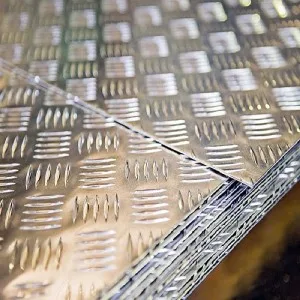


Is Your Aluminum Bar Causing CNC Turning Runout? Aluminum bar may contribute to CNC turning runout when it is bent, out of round, inconsistent in diameter, damaged near the clamping area, or deformed …

Aluminum sheet flatness should be specified before purchase, especially when the material will be laser cut, punched, bent, machined, laminated, or used as a visible panel. This matters to sheet-metal…

How to compare 5052, 5083, 6061 and 7075 aluminum
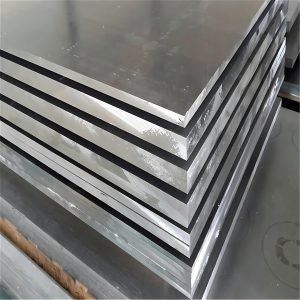
T6 vs T651 vs H116: what the suffix changes
Buyer feedback on this page is intended to support common sourcing situations, such as comparing supplier options, preparing an RFQ, reviewing export order needs, and organizing sample questions.
I used the industrial aluminum extrusion profiles page to separate structural frame needs from enclosure trim questions before sending our drawing notes.
I came in comparing China supplier pages, and this tag helped me list tolerance, finish, and slot configuration questions for industrial aluminum extrusion profiles.
I referenced this page while preparing an RFQ for machine guards, since it kept my industrial aluminum extrusion profiles inquiry organized by application.
I needed a clearer way to discuss cut lengths and cross sections, and the industrial aluminum extrusion profiles content gave my team a practical checklist.
Specify profile length, bundle weight limits, surface protection needs, labeling format, pallet preference, and moisture protection. For export orders, also confirm carton or wooden packaging expectations based on handling, destination, and unloading conditions.
An RFQ should include alloy grade, temper, drawing or section size, length tolerance, surface finish, machining needs, order quantity, packaging request, and inspection criteria. Clear specifications help suppliers compare feasibility and quote consistently.
Compare extrusion profiles against aluminum tubes, plates, and bars by load direction, assembly method, machining needs, surface area, and tolerance control. Profiles are often preferred when a fixed cross-section supports modular structures or equipment frames.
Review the sample’s dimensions, wall thickness, surface finish, straightness, slot compatibility, hole positions, and packaging condition. Confirm that the approved sample matches the production drawing and will be used as a reference for bulk evaluation.
Check alloy and temper, cross-section geometry, critical dimensions, tolerance zones, corner radius, wall thickness, surface treatment, cutting length, machining locations, and assembly interface. These details reduce misunderstanding during tooling, production, and inspection review.
Focus on dimensional inspection, surface appearance, straightness, cut accuracy, machining consistency, finish adhesion where applicable, and packaging condition. Request inspection methods aligned with drawings rather than relying on broad quality claims.
Send your drawings, material requirements, profile dimensions, quantity range, surface finish, packaging needs, and destination details so the supplier can review your inquiry more accurately.