
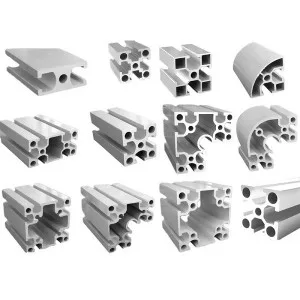
Custom aluminum profile manufacturer
Custom Aluminium profile is widely used in construction, machinery, industry, etc. Aluminium profiles are a great way to add both style and function to your home.
Read MoreAluminum Toxicological Profile Sourcing in China: Manufacturer, Factory and Supplier Guide | SUZHOU TOP METAL MATERIALS CO.,LIMITED
For bulk purchasing evaluation, this page helps operations managers review China Aluminum Toxicological Profile Manufacturer, Factory & Suppliers with a clear specification checklist. It focuses on matching material, size, configuration, and order requirements before an RFQ is sent.
Use the product references, guide notes, and inquiry prompts to compare supplier options more efficiently. The goal is to support practical communication, quality review, and application-fit decisions for aluminum-related sourcing needs.
Custom Aluminium profile is widely used in construction, machinery, industry, etc. Aluminium profiles are a great way to add both style and function to your home.
Read More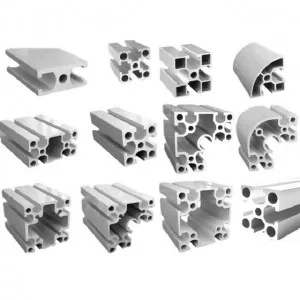
Aluminum profiles are products born from aluminum alloys bar that are transformed into shaped objects through the extrusion process. Extrusion alumium profiles are used in…
Read More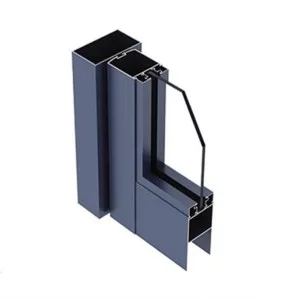
Aluminium extrusion profile for doors and windows is a kind of door and window frame decoration building material made of aluminum alloy as raw material. Its advantages are…
Read More
1050 aluminum strip coil are often used in daily necessities, lighting fixtures, reflectors, decorations, chemical industry containers, heat sinks, signs, electronics, lamps, nameplates, electrical ap…
Read More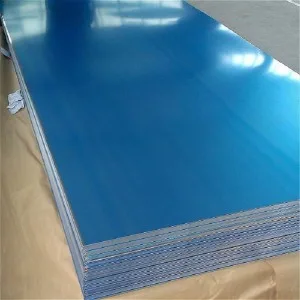
Aluminium 1080A, with the European designation EN AW-1080A is a ‘commercially pure’ alloy, minimum 99.8% Al, available as round bar or wire For the 1080 industrial pure aluminum, with high plast…
Read More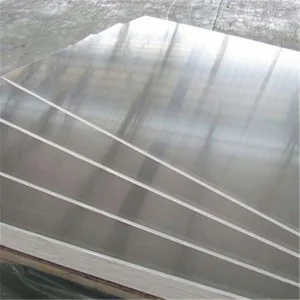
The pattern aluminum plate is also a kind of metal material, and it needs to be protected by scientific methods in daily operation. At the top of the list, regular cleaning, the stains on the exterior…
Read MoreSpecification Checklist
The related product list helps you compare China Aluminum Toxicological Profile Manufacturer, Factory & Suppliers by actual product direction rather than keyword wording alone. Check whether each product supports bulk purchasing evaluation, then use the table below to prepare a clearer RFQ.
| Criterion | What To Check | Why It Matters | Buyer Tip |
|---|---|---|---|
| Material grade | Confirm alloy/temper spec | Matches use and compliance file | Attach spec sheet to RFQ |
| Size range | Verify thickness, width, length | Avoids cutting and fit issues | List tolerances clearly |
| Configuration | Define form, finish, packaging | Supports bulk handling needs | Add drawings or photos |
| Quality review | Request test reports and QC steps | Helps compare suppliers fairly | Ask for batch traceability |
| Supplier support | Check export docs and response time | Reduces order delays | Set contact and SLA terms |
China Aluminum Toxicological Profile Manufacturer, Factory & Suppliers should be evaluated by how well the supplier can respond to your technical details, order scale, and configuration needs. A useful inquiry should include material requirements, size range, intended use, quantity, destination, and any custom options.
This page is designed to help buyers move from a broad search term to a structured sourcing discussion. It supports RFQ preparation, quality-check questions, sample review planning, and supplier communication for bulk purchasing decisions.
Begin with a specification checklist. Confirm the aluminum-related product type, material grade or composition requirements, dimensions, tolerance expectations, surface condition, structure, and any configuration details that affect application fit.
For operations managers comparing supplier options, separate fixed requirements from flexible preferences. Fixed items may include size, material, packaging, or export documentation needs. Flexible items may include finish options, accessory choices, labeling, or shipment scheduling.
Before requesting a quotation, prepare the expected quantity, target delivery location, sample needs, inspection points, and approval process. If drawings, photos, or previous product references are available, include them to reduce misunderstanding during supplier communication.
When reviewing replies, look beyond price. Check whether the supplier confirms key specifications, asks relevant technical questions, explains available custom options, and provides a clear path for samples, production review, packaging confirmation, and after-sales support.
| Criteria | Importance | Description | Example Options |
|---|---|---|---|
| Alloy and temper | High | Confirms material match | 6061-T6 or specified grade |
| Profile dimensions | High | Controls assembly fit | Drawing, tolerance, wall thickness |
| Toxicological documentation | Medium | Supports safety review | Composition and handling notes |
| Surface configuration | Medium | Affects use environment | Anodized, mill finish, coated |
| Supplier response clarity | High | Improves RFQ comparison | Complete technical checklist reply |
Recommended Products
Top product matches should be reviewed by fit, specification clarity, customization readiness, and how well they support specification checklist. Use these factors to shortlist practical options before contacting the supplier.






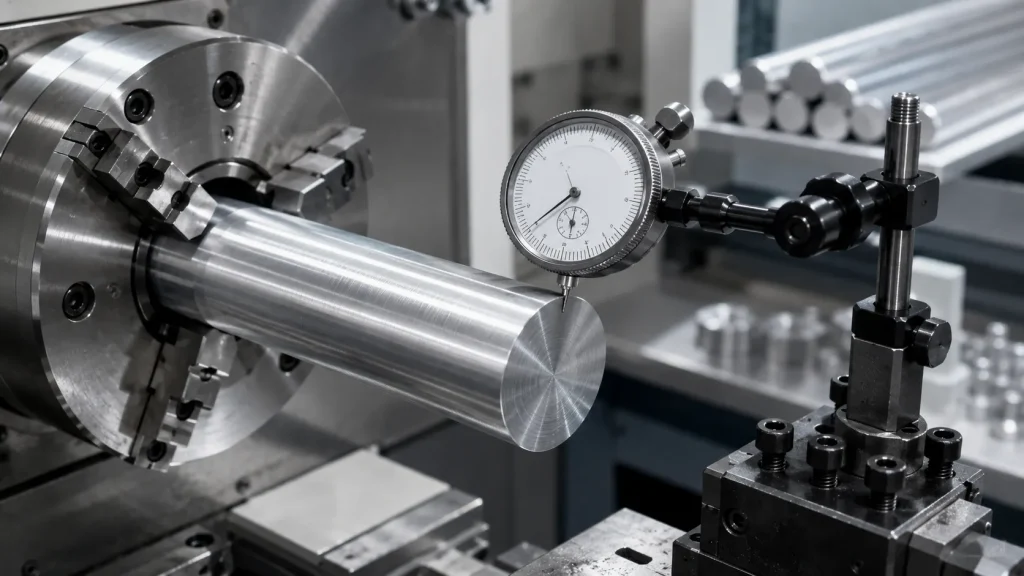
Is Your Aluminum Bar Causing CNC Turning Runout? Aluminum bar may contribute to CNC turning runout when it is bent, out of round, inconsistent in diameter, damaged near the clamping area, or deformed …

Aluminum sheet flatness should be specified before purchase, especially when the material will be laser cut, punched, bent, machined, laminated, or used as a visible panel. This matters to sheet-metal…

How to compare 5052, 5083, 6061 and 7075 aluminum
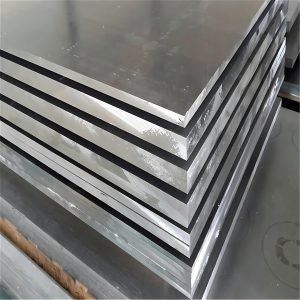
T6 vs T651 vs H116: what the suffix changes
Buyer feedback on this page is best used as a sourcing reference when comparing supplier options, preparing an RFQ, reviewing export order needs, or organizing sample questions.
I used the toxicological profile of aluminum page to shape our compliance questions before discussing alloy documentation with a China supplier.
I needed a clearer way to request aluminum toxicological profile information, and this page helped me avoid sending a vague technical inquiry.
I referenced this while preparing procurement notes, especially where our team needed toxicological profile language tied to aluminum material selection.
The page helped me separate general aluminum specifications from toxicological profile questions, which made my supplier conversation more focused.
Request aluminum grade, temper, profile drawing, wall thickness, surface finish, dimensional tolerance, configuration options, and intended application. For toxicological profile review, also ask how material composition information and handling guidance are documented.
Review whether the supplier can provide clear material composition references, safety handling notes, and any available technical documentation. The goal is to match procurement requirements with workplace use, processing conditions, and downstream compliance review needs.
Check dimensional consistency, surface condition, alloy identification, drawing conformity, packaging suitability, and documentation completeness. For RFQ preparation, define inspection points in writing so suppliers respond against the same technical checklist.
Compare the required load, installation method, exposure environment, machining needs, and assembly configuration against the supplier’s available profile options. Confirm whether drawings, samples, or technical notes can support the fit assessment before order planning.
Discuss profile geometry, length, wall thickness, alloy selection, surface treatment, cutting, drilling, and packing requirements. Custom discussions should reference drawings or measurable specifications to avoid unclear assumptions during supplier comparison.
Clarify how the supplier handles technical questions, documentation updates, drawing revisions, discrepancy review, and replacement discussion procedures. Good communication helps operations teams manage quality review records and maintain alignment after shipment or inspection feedback.
Send your material, size, configuration, quantity, destination, and application details so the supplier can review fit and respond with more relevant information.