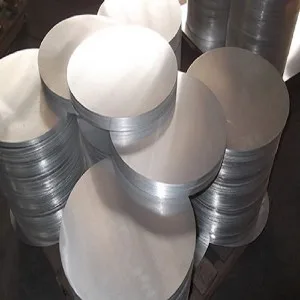
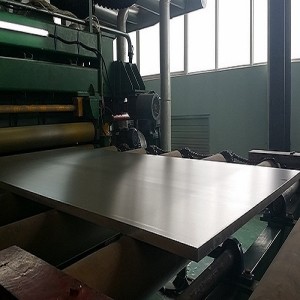
China 3003 Aluminum Alloy Sheets Manufacturer, Factory & Suppliers should be evaluated by material specification, surface condition, thickness tolerance, packaging method, and the inspection documents available for review. These points help confirm whether the sheet matches your product design and production plan.
Before sending an RFQ, share the intended application, required dimensions, quantity range, destination, and any sample or test requirements. Clear project information helps suppliers respond with more useful recommendations and pricing details.
Start with the product development purpose. Define where the 3003 aluminum alloy sheets will be used, which forming or appearance requirements matter, and whether the sheet will need cutting, coating, bending, or other downstream processing.
Prepare a quality review checklist before comparing suppliers. Common points include alloy designation, temper, thickness, width, length, surface finish, edge condition, flatness, packaging protection, and any mill test certificate or inspection record needed for internal approval.
For RFQ preparation, include drawings, tolerance notes, target order quantity, sample demand, shipment destination, and expected decision timeline. If the project is still at the prototype stage, explain which details are fixed and which can be adjusted.
When supplier replies arrive, compare how clearly they answer technical questions, whether they confirm documentation options, and how they handle after-sales communication. A practical supplier response should help your team reduce uncertainty before bulk order planning.