
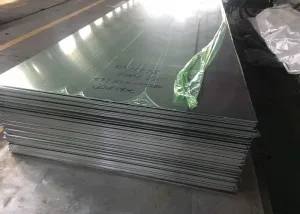
6061 aluminum sheet
6061 Aluminium Aging 6061 aluminium alloy sheets, plates, rolled or cold-rolled wire, rods, bars, and drawn tubing are aged to a metal temperature of 160 °C (320 °F) and maintaining it for 18h. Extrud…
Read More6061 Aluminum Sheet Sourcing in China: Manufacturer, Factory and Supplier Guide | SUZHOU TOP METAL MATERIALS CO.,LIMITED
For OEM project planning, a 6061 aluminum sheet inquiry should begin with the application, not only the grade name. As a China 6061 Aluminum Sheet Manufacturer, Factory & Suppliers search page, this section helps procurement teams connect product options with project use, processing needs, and approval steps.
Use it to build a practical shortlist before sending an RFQ. Review specification direction, customization questions, sample requirements, packaging expectations, and supplier communication points so each quotation request is easier to compare.
6061 Aluminium Aging 6061 aluminium alloy sheets, plates, rolled or cold-rolled wire, rods, bars, and drawn tubing are aged to a metal temperature of 160 °C (320 °F) and maintaining it for 18h. Extrud…
Read More
Quality 1050 3003 5083 6061 7075 deep-drawing stamped Aluminium alloy Plate China Aluminum Flat mould Sheet manufacturer Product:Aluminum Sheet and Plate (CC) Alloy/Temper:1***/3***/8***(1100 / 1050 /…
Read More
China aluminum sheet coil suppliers RAYIWELL MFG / RuiYi aluminum can offer 1050 1100 2024 3003 4017 5052 6061 7075 aluminum sheet or aluminum coil in custom sizes and patterns…
Read More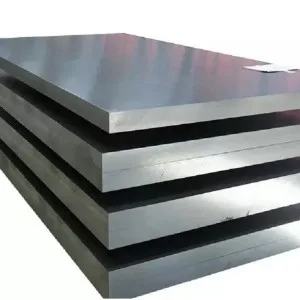
6061 Aluminum Plate / aluminium Sheet is highly versatile and normally used for aerospace, marine, electronic, ornamental, machinery, and structural applications. 6061 aluminum plate has a high streng…
Read More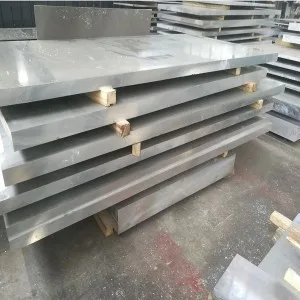
6061 T651 aerospace aluminum sheet is Produced and managed in accordance with international aerospace quality system certifications: AS9100; OHSAS 18001; ISO14001; ISO 9001; NADCAP HT; NADCAP NDT; IAT…
Read More
6061-T6 is one of the most commonly used 6000 series aluminum alloys. 6000 series aluminum sheets provided includes 6061 and 6082 series. More specifically, the 6061 series…
Read More6061 Aluminum Sheet Product Guide
The related product list helps you compare China 6061 Aluminum Sheet Manufacturer, Factory & Suppliers by actual product direction rather than keyword wording alone. Check whether each product supports OEM project planning, then use the table below to prepare a clearer RFQ.
| Criterion | What To Check | Why It Matters | Buyer Tip |
|---|---|---|---|
| Application fit | Match 6061 temper and thickness to OEM load use | Avoids over- or under-specification | Share drawings and use conditions |
| Customization scope | Confirm size, cutting, surface, and tolerance options | Supports project-specific sheet selection | List must-have and optional specs |
| Sample approval | Request sample plan before bulk order | Reduces approval risk | Define test items in RFQ |
| Supplier communication | Ask for clear spec sheets and export details | Speeds shortlist comparison | Use one RFQ template |
| Packaging needs | Confirm moisture, scratch, and pallet protection | Protects sheets during export transit | State unloading and storage limits |
If you are looking for China 6061 Aluminum Sheet Manufacturer, Factory & Suppliers, focus on whether the supplier can match your application requirements, confirm available specifications, and support the sample approval process before bulk purchasing.
For procurement managers, the best first inquiry includes grade, thickness, size, surface requirement, quantity range, destination, intended processing, and any OEM drawing or reference sample. This helps the supplier respond with more relevant product options instead of a general catalog.
Start with the final use of the 6061 aluminum sheet. Tell the supplier whether the material will be cut, machined, formed, anodized, assembled, or used as a visible component. Application details help narrow thickness, temper, surface expectations, tolerance discussion, and packaging needs.
Next, define the customization scope clearly. Include required sheet size, thickness range, surface condition, protective film needs, cutting service, pallet requirements, labeling, and any drawing-based specifications. If sample approval is part of your process, explain how samples will be checked and who will confirm them.
For bulk order preparation, prepare estimated order quantity, delivery destination, preferred shipping method, target schedule, inspection requirements, and documents needed for import. These details reduce back-and-forth communication and make supplier quotations easier to compare.
When reviewing supplier replies, compare not only price but also how well each response addresses your application fit, sample plan, lead-time questions, and packaging requirements. A useful supplier response should help you move from product shortlist to RFQ confirmation with fewer unclear items.
| Criteria | Importance | Description | Example Options |
|---|---|---|---|
| Application fit | High | Matches sheet to OEM use | Machined bracket panel |
| Customization scope | High | Defines size and finish options | Cut-to-size sheets |
| Sample approval | High | Confirms before bulk planning | Marked trial pieces |
| RFQ clarity | Medium | Improves supplier comparison | Drawings plus tolerances |
| Export packaging | Medium | Protects sheets in transit | Separated, labeled bundles |
Recommended Products
Top product matches should be reviewed by fit, specification clarity, customization readiness, and how well they support application matching. Use these factors to shortlist practical options before contacting the supplier.
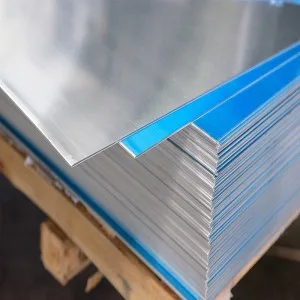




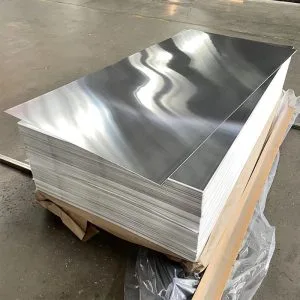

Buyers should send the required alloy, temper, thickness, sheet size, hole shape, hole size, pitch, pattern orientation, open area, blank margins, tolerances, finish, flatness, burr direction, drawing…

Aluminum sheet flatness should be specified before purchase, especially when the material will be laser cut, punched, bent, machined, laminated, or used as a visible panel. This matters to sheet-metal…

How to compare 5052, 5083, 6061 and 7075 aluminum

When anodized sheet is better than mill finish aluminum
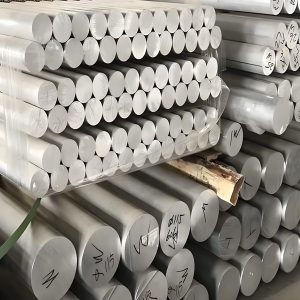
6061-T6 aluminum bar for CNC and structural parts
Buyer comments and review-style notes can help procurement teams understand how product specifications, supplier responses, RFQ preparation, and export order details are commonly evaluated before purchase.
I used the 6061 Aluminum Sheet page to separate temper, thickness, and surface finish questions before sending a focused inquiry to a China supplier.
This page helped me frame my RFQ around 6061 aluminum sheet tolerances and machining needs instead of asking a manufacturer for general aluminum options.
I found the 6061 Aluminum Sheet information useful for discussing bendability, corrosion resistance, and cut-to-size expectations with suppliers during early sourcing conversations.
I was comparing 6061 sheet with other aluminum grades, and the page gave me clearer talking points for strength, fabrication, and finish requirements.
Match the sheet temper, thickness, surface requirement, and machining plan with the OEM part’s load, corrosion exposure, and forming needs. Share drawings or use conditions so the supplier can confirm whether 6061 aluminum sheet is suitable.
Discuss alloy grade, temper, thickness tolerance, width, length, surface finish, protective film, cutting requirements, and edge condition. Clear customization notes help build a practical shortlist and reduce later specification changes during sample review.
Include grade, temper, dimensions, quantity range, application, drawing files, surface expectations, packaging needs, and inspection points. If samples are required, state sample size, evaluation criteria, and any approval steps before bulk order discussion.
Ask the supplier to confirm specifications in writing, including material parameters, dimensional scope, surface requirements, and sample marking. Structured communication helps procurement teams compare responses and record decisions before moving toward larger order planning.
Ask what production steps affect schedule, such as cutting, surface protection, sample preparation, inspection, and export packing. Avoid relying on assumptions; request project-specific timing based on the required sheet specification and approval process.
Clarify moisture protection, surface separation, pallet type, labeling, bundle weight limits, and handling instructions. Packaging details should reflect sheet size, surface sensitivity, transport method, and the buyer’s warehouse receiving requirements.
Send your application, grade requirement, size, thickness, quantity, destination, sample approval needs, and packaging requirements so the supplier can respond with a more accurate quotation.