
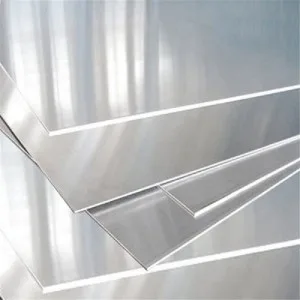
6061-T651 Aluminum Sheet
6061-T6 is one of the most commonly used 6000 series aluminum alloys. 6000 series aluminum sheets provided includes 6061 and 6082 series. More specifically, the 6061 series…
Read More6061 Aluminum Sheets Selection Guide | SUZHOU TOP METAL MATERIALS CO.,LIMITED
For a machined mounting plate or equipment panel, 6061 aluminum sheet offers a practical balance of strength, machinability and corrosion resistance. The first decision is the temper: it affects how the sheet bends, machines and performs in the finished part.
6061-T6 is one of the most commonly used 6000 series aluminum alloys. 6000 series aluminum sheets provided includes 6061 and 6082 series. More specifically, the 6061 series…
Read More
Quality 1050 3003 5083 6061 7075 deep-drawing stamped Aluminium alloy Plate China Aluminum Flat mould Sheet manufacturer Product:Aluminum Sheet and Plate (CC) Alloy/Temper:1***/3***/8***(1100 / 1050 /…
Read More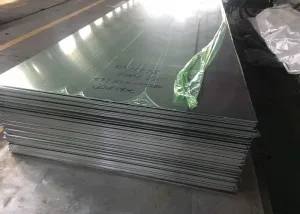
6061 Aluminium Aging 6061 aluminium alloy sheets, plates, rolled or cold-rolled wire, rods, bars, and drawn tubing are aged to a metal temperature of 160 °C (320 °F) and maintaining it for 18h. Extrud…
Read More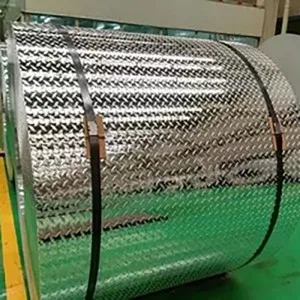
Designed for use in aerospace, fittings, valves, drive shafts, couplings, structural, signs, and marine applications The 6061 T6 aluminum tread plate has the highest corrosion resistance of all the al…
Read More
China aluminum sheet coil suppliers RAYIWELL MFG / RuiYi aluminum can offer 1050 1100 2024 3003 4017 5052 6061 7075 aluminum sheet or aluminum coil in custom sizes and patterns…
Read More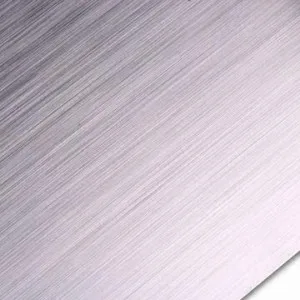
Brushed Aluminum Sheets are produced by using abrasive paper repeatedly to scrape lines on aluminum sheet. The main technological process can be divided into three pats: degrease, sander and washing. …
Read MoreSelection criteria
Compare 6061 sheet by temper, thickness and size first, then check tolerances, surface condition and any documentation your application requires.
| Criterion | What To Check | Why It Matters | Buyer Tip |
|---|---|---|---|
| Temper for the finished part | Confirm whether the drawing calls for 6061-O, T4 or T6, and whether the sheet will be formed after delivery. | The temper changes strength and formability; T6 may not suit a tight bend. | Which temper does the drawing specify, and will any bends be made after purchase? |
| Thickness, size and flatness | Compare the required thickness tolerance, usable sheet dimensions and flatness with the cutting or machining plan. | A nominal size alone may not leave enough material for finished parts or hold-down during machining. | What minimum usable area and flatness does the process require? |
| Bend layout | Review bend radius, bend direction relative to rolling direction and any formed features near cut edges. | An unsuitable bend layout can cause cracking even when the alloy and temper are correct. | Can the supplier confirm the rolling direction for the proposed sheets? |
| Surface condition | Specify which faces will remain visible and what marks, protective film or finish preparation the job permits. | A sheet suitable for hidden machined parts may not meet the appearance needs of an exposed panel. | Will either face be visible after fabrication, and what surface condition is acceptable? |
6061-T6 suits parts that need higher strength in the supplied condition, but it is less forgiving of bending than softer tempers. 6061-T4 can be a better starting point when forming is involved; annealed 6061-O is softer still. If the part will be welded, do not assume the finished joint retains the sheet’s original temper properties. Confirm the required properties after fabrication with the part designer.
Start with the operation that puts the most demand on the material. A mostly machined plate and a formed cover may call for different tempers, even if both drawings specify 6061. For a tight bend, check whether 6061 is appropriate before ordering; a more formable alloy may be the better choice.
Specify thickness, sheet size and the tolerances that matter to the part. A nominal thickness alone may not answer a machining or assembly requirement. If flatness or the condition of cut edges matters, state how the sheet will be used so those requirements can be discussed.
Match the surface requirement to the finish operation. A visible anodized panel needs different attention to handling marks and appearance than a plate that will be machined on both faces. Agree on any protective film or surface condition before ordering rather than treating cosmetic quality as implicit.
Send SUZHOU TOP METAL MATERIALS CO.,LIMITED the drawing or intended use, required temper and sheet dimensions. Ask which material condition and documentation can be supplied, especially if the specification must be traceable to a particular production batch.
| Criteria | Importance | Description | Example Options |
|---|---|---|---|
| Temper | Critical when strength or forming affects the part. | Compare the required properties in the supplied condition with the bends and other fabrication steps the sheet must undergo. | A machined bracket and a bent cover may need different 6061 tempers. |
| 6061 versus 5052 | Worth checking when bends dominate the design. | 5052 is generally more formable; 6061 may better suit a part where machining and strength take priority. | Consider 5052 for a cover with formed edges rather than assuming 6061 is the best fit. |
| Dimensions and flatness | Important when the sheet must fit an assembly or support precision machining. | Check thickness and size tolerances separately from any flatness requirement; nominal dimensions alone may not settle the fit. | A large panel that sits against a frame may need an agreed flatness requirement. |
| Surface condition | Important for visible or finish-critical parts. | State which faces will remain visible and whether handling marks or surface variation are acceptable. | An exposed anodized panel calls for different appearance criteria than a sheet machined on both faces. |
| Material documentation | Necessary when the drawing or purchasing process requires traceability. | Confirm what documentation can identify the alloy, temper and production batch before ordering. | A replacement part made to a controlled drawing may require batch-linked material records. |
Related Options
For a machined equipment plate, the required strength and dimensional fit usually matter more than bendability. If that same plate needs formed edges or welded joints, review the temper and finished-part requirements before settling on the sheet.





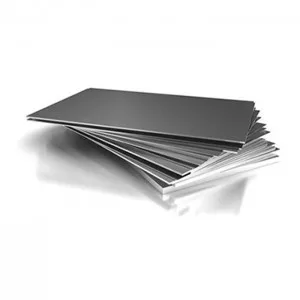

A request for 6061 0 aluminum sheet is a temper-specific purchasing question, not simply a request for generic 6061 sheet. That distinction matters when a buyer compares supplier quotations. TOP METAL…
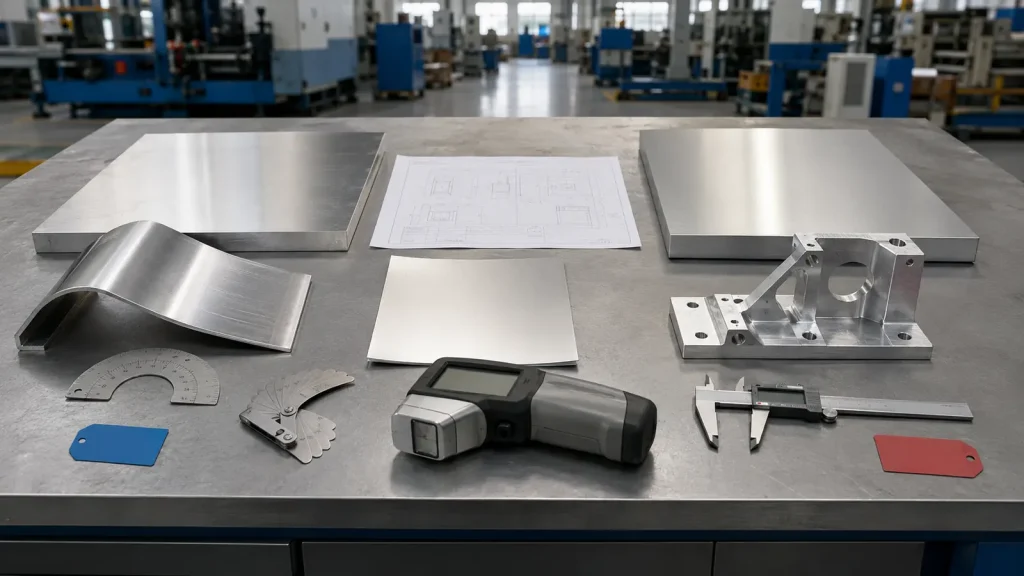
6061-T4 and 6061-T6 are not different aluminum alloys; they are different temper conditions of alloy 6061. Buyers should not treat T6 as a universally “better” version of T4. The correct t…

How to compare 5052, 5083, 6061 and 7075 aluminum
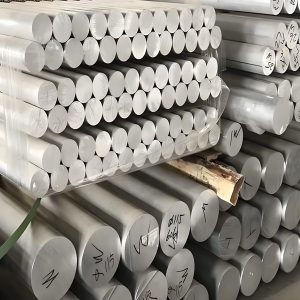
6061-T6 aluminum bar for CNC and structural parts
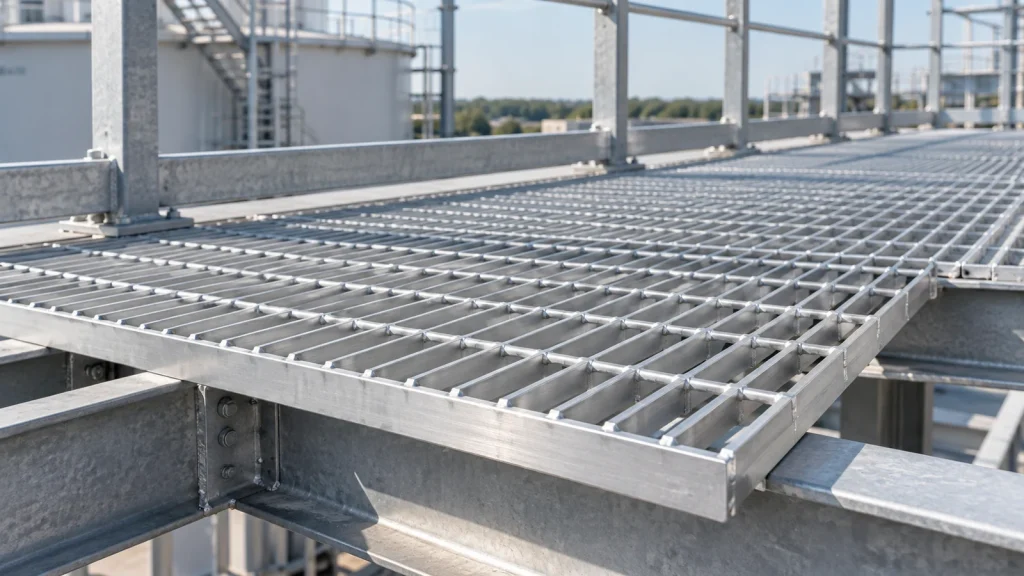
An aluminum bar grating load table is useful only when its product configuration, span, loading pattern and design assumptions match the panel being considered. Check the required load and the corresp…

Perforated aluminum sheet can provide a ventilation path, but open-area percentage is not an airflow or pressure-drop rating. Begin with the hole pattern, calculate the openings available after solid …
It can be, but suitability depends on the exposure and the finish. For frequent saltwater contact, compare it with an alloy such as 5052 and confirm the corrosion requirements with the part designer.
Often, if forming is the main requirement. 5052 generally bends more readily, while 6061 is commonly chosen when machining and strength are more important. Check the bend geometry and required finished-part properties before changing alloys.
No. The alloy designation does not specify the temper, and 6061-O, 6061-T4 and 6061-T6 behave differently during fabrication. Put the required temper on the drawing or confirm it before ordering.
Not from the alloy designation alone. Surface condition, finishing process and batch differences can affect appearance. If a visual match matters, agree on an acceptable sample or appearance criteria before placing the order.
Provide the drawing or measured dimensions, specified temper, thickness, surface requirements and any material documentation needed for your records. If the original specification is unclear, explain the part’s use rather than guessing at a temper.
Share the required temper, sheet thickness and size, and whether the part will be bent, machined or welded.