
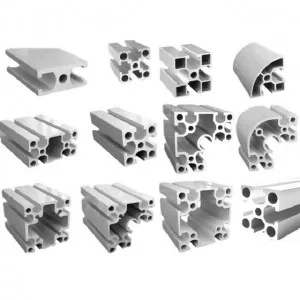
Extrusion alumium profiles
Aluminum profiles are products born from aluminum alloys bar that are transformed into shaped objects through the extrusion process. Extrusion alumium profiles are used in…
Read MoreSourcing Aavid Aluminum Heatsink Extrusion Profiles in China: Manufacturer, Factory and Supplier Guide | SUZHOU TOP METAL MATERIALS CO.,LIMITED
Use this page to evaluate China Aavid Aluminum Heatsink Extrusion Profiles Manufacturer, Factory & Suppliers from the perspective of new product line development. It brings together related products, practical selection checks, and buyer questions so your inquiry can be more specific from the beginning.
For a product development team, the most useful starting point is quality inspection points and documentation. Review the product matches, comparison notes, FAQs, and recent buyer-style feedback before sending final requirements.
Aluminum profiles are products born from aluminum alloys bar that are transformed into shaped objects through the extrusion process. Extrusion alumium profiles are used in…
Read More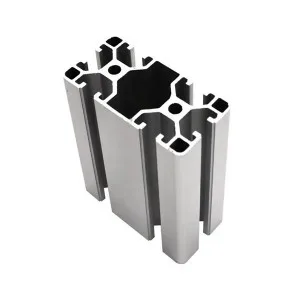
Industrial aluminium extrusion profiles are widely used and highly versatile. It is famous for its environmental protection, convenient assembly and disassembly, time saving…
Read More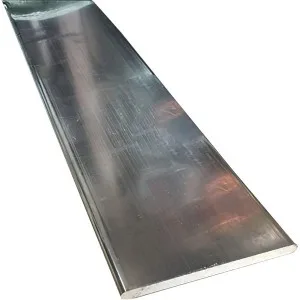
custom Rectangular busbar square angle EN AW 1350 aluminum Flat bus bar Pure aluminum has a conductivity of about 65 percent of the International Annealed Copper Standard (lACS). Aluminum can be produ…
Read More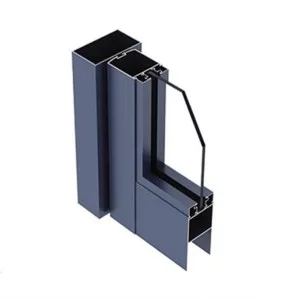
Aluminium extrusion profile for doors and windows is a kind of door and window frame decoration building material made of aluminum alloy as raw material. Its advantages are…
Read More
1050 aluminum strip coil are often used in daily necessities, lighting fixtures, reflectors, decorations, chemical industry containers, heat sinks, signs, electronics, lamps, nameplates, electrical ap…
Read More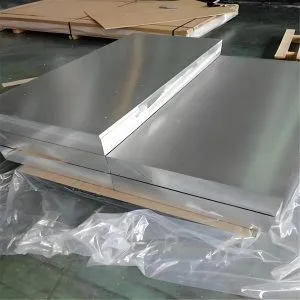
5454 aluminum plate is widely used in ships, marine engineering, oil tankers, pressure vessels, automobile bodies and other fields. Its high strength and excellent corrosion resistance make it an idea…
Read MoreProduct Guide
The related product list helps you compare China Aavid Aluminum Heatsink Extrusion Profiles Manufacturer, Factory & Suppliers by actual product direction rather than keyword wording alone. Check whether each product supports new product line development, then use the table below to prepare a clearer RFQ.
| Criterion | What To Check | Why It Matters | Buyer Tip |
|---|---|---|---|
| Drawing match | Verify profile dimensions vs. RFQ drawings | Prevents assembly gaps | Attach tolerances clearly |
| Alloy & temper | Confirm aluminum grade and temper docs | Affects strength and machining | Request material certificate |
| Thermal surface area | Review fin height, pitch, and base thickness | Impacts heat dissipation | Share heat load data |
| Finish quality | Inspect anodizing, scratches, and burrs | Supports reliability and appearance | Define finish standard |
| Inspection records | Ask for QC report and sample approval | Reduces bulk order risk | Keep signed sample file |
If you are sourcing aavid aluminum heatsink extrusion profiles, start by checking whether the profile dimensions, aluminum grade, surface finish, tolerance needs, and thermal design space match your application.
A practical supplier inquiry should include drawings or reference samples, expected order volume, inspection requirements, packaging needs, and target delivery schedule so the factory can respond with relevant information.
Begin with the application fit. Share where the heatsink extrusion profile will be used, how it connects with surrounding parts, and which dimensions or performance requirements are fixed. For new product line development, this helps avoid early design assumptions that may affect tooling, machining, or assembly.
Review quality inspection points before price comparison. Important checks may include profile dimensions, surface condition, straightness, cut length, hole or machining accuracy, finish consistency, and packaging protection. Ask what documentation can be provided for your internal review process.
Prepare the RFQ with clear commercial details. Include target quantity, sample needs, annual forecast if available, destination, preferred trade terms, and approval timeline. If custom options are required, attach drawings, 3D files, photos, or marked-up references.
When comparing suppliers, look beyond the first quotation. Clear communication, practical follow-up questions, and consistent documentation are useful signals when your team is shortlisting related products, planning a custom project, or preparing a bulk order.
| Criteria | Importance | Description | Example Options |
|---|---|---|---|
| Drawing control | High | Aligns profile, machining, and revisions. | PDF plus CAD file |
| Inspection points | High | Defines measurable quality review items. | Fin gap, flatness |
| Surface finish | Medium | Affects appearance and interface needs. | Anodized or mill finish |
| Customization scope | High | Confirms extrusion and secondary processes. | Cutting, drilling, tapping |
| RFQ clarity | High | Reduces supplier communication gaps. | Quantity, tolerance, packaging |
Recommended Products
Top product matches should be reviewed by fit, specification clarity, customization readiness, and how well they support quality review. Use these factors to shortlist practical options before contacting the supplier.







Is Your Aluminum Bar Causing CNC Turning Runout? Aluminum bar may contribute to CNC turning runout when it is bent, out of round, inconsistent in diameter, damaged near the clamping area, or deformed …

Aluminum sheet flatness should be specified before purchase, especially when the material will be laser cut, punched, bent, machined, laminated, or used as a visible panel. This matters to sheet-metal…

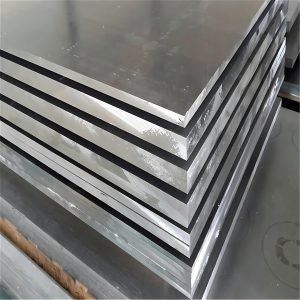
How to compare 5052, 5083, 6061 and 7075 aluminum
T6 vs T651 vs H116: what the suffix changes
Recent buyer-style comments can help product development teams think through common review situations, such as checking specifications, comparing supplier options, or planning a custom heatsink extrusion project.
I used the Aavid aluminum heatsink extrusion profiles tag to separate thermal profile questions from general aluminum extrusion notes before contacting suppliers.
I was comparing enclosure cooling options, and this tag helped me frame questions about fin geometry, base thickness, and machining allowances for Aavid-style profiles.
I needed a cleaner way to brief engineering, and the Aavid aluminum heatsink extrusion profiles content kept my notes focused on thermal fit and extrusion constraints.
I used this tag while preparing an RFQ, especially to list surface finish, length tolerance, and mounting requirements for aluminum heatsink extrusion profiles.
Ask for dimensional inspection items, alloy and temper confirmation, surface finish review, flatness checks, and packaging inspection records. For thermal parts, include fin spacing, base thickness, cut length, hole position, and drawing revision control.
After-sales review can include checking supplied parts against drawings, discussing observed fit or finish issues, and clarifying inspection documents. Teams should provide photos, measurements, batch details, and application conditions to support accurate technical communication.
Compare the profile drawing with enclosure space, heat source location, mounting method, airflow path, and required machining. Review base thickness, fin height, surface area, and interface flatness before locking the prototype or RFQ specification.
Common RFQ items include extrusion profile geometry, alloy preference, cut length, CNC machining, drilling, tapping, deburring, surface treatment, tolerance requirements, and packaging method. Provide drawings or samples to reduce ambiguity during supplier evaluation.
Share 2D or 3D drawings, target alloy, surface finish, annual or trial quantity, tolerance notes, inspection expectations, and application environment. Also mention whether the request is for prototype validation, comparison sourcing, or bulk order planning.
Prepare a controlled drawing, inspection checklist, packing requirement, approved sample reference, revision history, and any machining or surface treatment notes. Clear documentation helps compare supplier options and supports consistent quality review across repeated orders.
Send your drawings, sample references, quantity range, inspection needs, and delivery expectations so the supplier can review the application fit and provide a more focused response.