
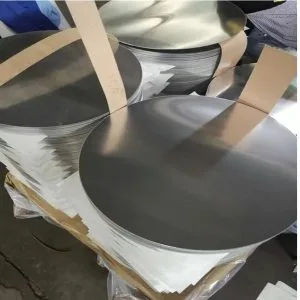
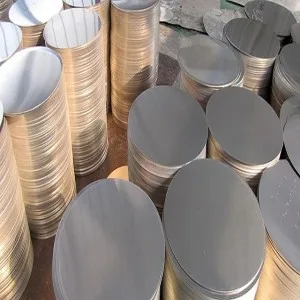
1050 1060 1100 aluminum circles
Aluminum circle, also known as aluminum round sheet, is a round-shaped aluminum product that is commonly used in various applications such as cookware, lighting fixtures, and…
Read MoreAluminum Circles for Forming | SUZHOU TOP METAL MATERIALS CO.,LIMITED
Aluminum circles are round blanks used to form parts such as cookware bodies, lids and housings. The main choice is not just diameter: the alloy and temper must suit the forming process, while the thickness, edge and surface must meet the finished part’s requirements.
Aluminum circle, also known as aluminum round sheet, is a round-shaped aluminum product that is commonly used in various applications such as cookware, lighting fixtures, and…
Read More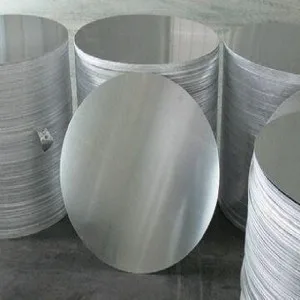
1050 1060 1100 3003 Aluminium Sheet Circle aluminum Round Plate Circles For Cooking Utensils Aluminum Circle, as aluminum disc circles,is widely used in making aluminum cookware, as aluminum sauce pan…
Read More
Polished Mill Finish Aluminum Round Plate 3003 5052 Round Aluminum Discs Polished / Mill Finish Aluminum Round Plate , 3003 5052 Round Aluminum Discs 1050 1060 aluminium discs circle manufacturer 3003…
Read More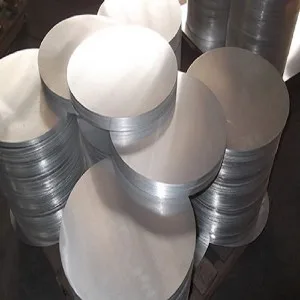
Cookware Anodized Aluminum Discs 1050 1060 1100 3003 With Thickness 0.6-1.5mm aluminum round disc is mainly used for general commercial and industrial uses, like the capacitor case, toothpaste case, m…
Read More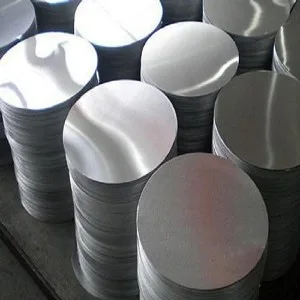
1050 1060 A1070 Aluminum Sheet Circle Thickness Customized For Ventilation Aluminum circle, as aluminum disc, is widely used in making aluminum cookware, as aluminum sauce pan, pizza pan, utensils app…
Read More
Deep Drawing Aluminum Sheet Circle 1050 1060 Aluminum Plate ASTM B209 Approved Deep drawing 1050 1060 ASTM B209 cookware use aluminium sheet circle Aluminum circle, as aluminum disc, is normally with …
Read MoreSelection criteria
Assess an aluminum circle against its forming method, alloy and temper, diameter, thickness, edge condition and surface requirement. These details determine whether the blank is suitable for the next operation—not its round shape alone.
| Criterion | What To Check | Why It Matters | Buyer Tip |
|---|---|---|---|
| Alloy and temper for forming | Match the specified alloy and temper to the drawing depth and forming method; request a material certificate and trial blanks if needed. | A blank that is too hard may crack during drawing, while a softer temper may not suit the finished part. | What forming steps will the circle go through? |
| Diameter and thickness tolerance | Compare the drawing with stated diameter and thickness tolerances, and agree on how finished blanks will be measured. | Size variation can affect die fit, material flow and the final part dimensions. | Which dimensions are critical to your tooling? |
| Cut edge and burr direction | Inspect sample edges for burrs and ask which face will carry the punching burr. | Burrs can mark tooling or interfere with forming and handling. | Does your process require a maximum burr height or a specified burr side? |
| Surface condition and flatness | Agree on acceptable scratches, oil residue and waviness, then compare representative samples under your finishing process. | Visible marks may remain after finishing, and uneven blanks can feed poorly. | Will the finished part be polished, coated or left with an exposed surface? |
A circle for deep drawing may need a different temper from one intended for a shallow stamped part. A harder blank can offer greater strength but may be less forgiving during forming; a softer blank may form more readily but need further processing to reach the desired final properties. Tell the supplier what happens to the circle after delivery rather than specifying alloy by name alone.
Start with the part drawing and forming method. State the required blank diameter and thickness, and identify any features that make cracking, wrinkling or uneven forming a concern. If an existing blank runs successfully, its material designation and temper are useful references.
Set tolerances around what the process actually needs. Diameter and thickness variation can affect feeding and finished dimensions, while burrs or damaged edges can interfere with handling and forming. Avoid paying for tighter limits without checking which dimensions control the result.
Consider the visible surface separately from the forming requirement. For a part that will be polished, coated or anodized, ask how scratches, stains and handling marks will be assessed. Protective packaging may matter as much as the initial finish if circles travel or are stored before use.
Compare purchasing cut circles with cutting blanks in-house: ready-cut blanks reduce your cutting work, but the required diameter and order quantity affect the choice. Send a drawing or sample, the intended forming operation and the finish requirement to SUZHOU TOP METAL MATERIALS CO.,LIMITED, and ask which material and blank tolerances it can offer.
| Criteria | Importance | Description | Example Options |
|---|---|---|---|
| Forming behavior | Critical when the blank undergoes substantial deformation. | Compare alloy and temper against the actual forming operation rather than choosing by strength alone. | A blank that forms successfully in a shallow operation may not suit a deeper drawn shape. |
| Circle versus sheet | Depends on where cutting fits into your production process. | Pre-cut circles remove an in-house cutting step; sheet gives a buyer with cutting equipment more control over blank layout and shapes. | A shop making several part shapes from one sheet may prefer to cut its own blanks. |
| Dimensional control | Especially important for automated feeding and close-fitting tooling. | Compare diameter and thickness tolerances with the variation your equipment and finished part can accept. | A feeder may require more consistent blank diameters than a manually loaded operation. |
| Surface and edge condition | Matters most for visible parts and processes sensitive to burrs or handling damage. | Define acceptable marks and edge condition separately from alloy and dimensions; consider how blanks will be protected in transit and storage. | A part intended for a visible anodized finish may need a different surface acceptance standard from a concealed component. |
Related Options
For a drawn cookware body, consistent forming behavior and a clean surface may matter more than a tight diameter tolerance beyond what the tooling needs. Match the blank specification to the finished part and the process that makes it.






When sourcing from an aluminum coil manufacturer in China, B2B buyers need more than a product name or a basic quotation request. A reliable procurement specification should connect the aluminum coil …

When buyers search for a reflective aluminum sheet manufacturer, the key challenge is usually not finding a supplier website. The more important question is whether the supplier can provide a product …

3003 alloy aluminum coil is an Al-Mn, non-heat-treatable material used where formability and corrosion resistance matter. But a B2B buyer cannot build a reliable quotation around the words “3003…

A request for 6061 0 aluminum sheet is a temper-specific purchasing question, not simply a request for generic 6061 sheet. That distinction matters when a buyer compares supplier quotations. TOP METAL…
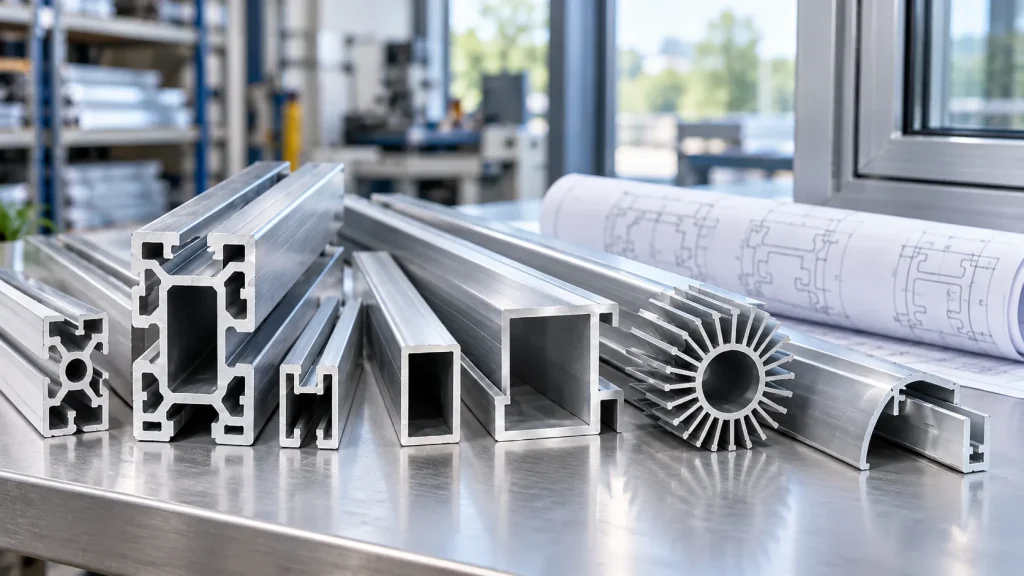
An aluminum profile is an aluminum or aluminum-alloy product with a defined cross-sectional shape that continues along its length. In construction and industrial supply, the term commonly refers to an…

5052 aluminum sheet and plate are flat-rolled aluminum-magnesium products considered for parts that need formability, corrosion resistance and moderate strength. Choosing the material means specifying…
Not necessarily. Both operations deform the metal, but they impose different strains and may call for different alloy and temper choices. Test the proposed blank with the intended tooling before treating it as interchangeable.
Sheet can make sense if you already cut blanks in-house or need several shapes from the same material. Pre-cut circles remove that cutting step, but the comparison should account for usable material, handling and your required quantities.
No. Forming can reveal or create surface marks, and polishing or anodizing may make some defects more noticeable. Agree on how the surface will be inspected and, for a visible part, evaluate a formed sample.
Nominal thickness identifies the target, not the variation your process can accept. If thickness changes affect feeding, forming or the finished part, state an appropriate tolerance on the drawing.
Send the part drawing or a sample, the forming operation, required blank dimensions and the intended finish. If you have a blank that already works, include its material designation and temper, and ask SUZHOU TOP METAL MATERIALS CO.,LIMITED which options it can offer.
Share your required diameter and thickness, the forming operation, and any surface or edge requirements so the material and available tolerances can be discussed.