

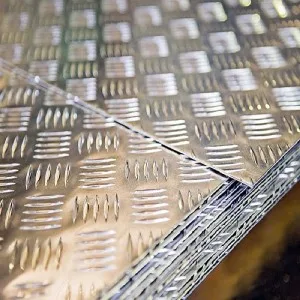
Stucco Embossed Aluminum Sheet
A stucco embossed finish is designed to have superior durability, reduce glare and reflectivity, and also to give aluminum a decorative finish. The stucco aluminum sheet is also a finish that can stan…
Read MoreSourcing Aluminum Embossed Sheets from China: Manufacturer, Factory and Supplier Guide | SUZHOU TOP METAL MATERIALS CO.,LIMITED
For OEM project planning, aluminum embossed sheets need to match the application before price comparison begins. This page helps procurement teams review pattern options, surface needs, size requirements, and sample approval steps for sourcing from a China Aluminum Embossed Sheets Manufacturer, Factory & Suppliers.
Use the product information, guide notes, and inquiry prompts to build a clearer shortlist. The goal is to help you explain your project requirements early, so supplier responses are easier to compare.
A stucco embossed finish is designed to have superior durability, reduce glare and reflectivity, and also to give aluminum a decorative finish. The stucco aluminum sheet is also a finish that can stan…
Read More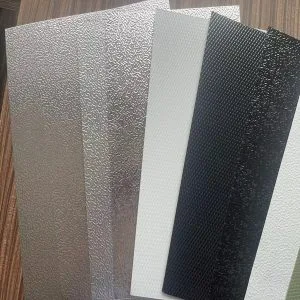
1050 embossed aluminum sheets are a specific type of aluminum alloy, characterized by their unique embossed surface and properties that make them suitable for various applications
Read More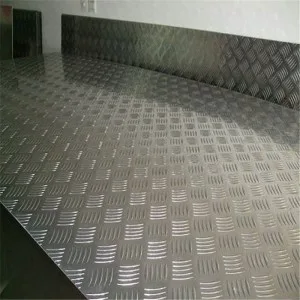
Series 1000 aluminum alloy is also known as “industrial pure aluminum”, which has the most wide uses in many territories, such as industry, architecture, decorative building, marine, aircraft, etc. Th…
Read More
Aluminum embossed plate coils are commonly used in various industries, including automotive, construction, and signage. They are lightweight, durable, and resistant to…
Read More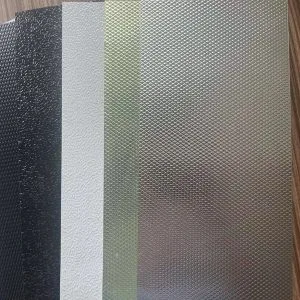
Embossed aluminum coil are widely used in refrigerator, solar heat reflectors, decorative aluminum products, lamps, bags, disinfection box, air conditioning, ventilation ducts,…
Read More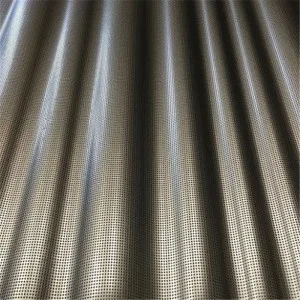
Aluminum sheet plate is widely used, including various industries in our society. Ordinary aluminum alloy plate through some simple processing, can play a more extensive role….
Read MoreAluminum Embossed Sheets Product Guide
The related product list helps you compare China Aluminum Embossed Sheets Manufacturer, Factory & Suppliers by actual product direction rather than keyword wording alone. Check whether each product supports OEM project planning, then use the table below to prepare a clearer RFQ.
| Criterion | What To Check | Why It Matters | Buyer Tip |
|---|---|---|---|
| Emboss pattern | Match texture to end use | Affects grip, look, forming | Ask for pattern photos |
| Alloy and temper | Confirm grade and hardness | Controls bending and durability | Share OEM drawing specs |
| Size tolerance | Review thickness, width, length | Avoids assembly mismatch | List required tolerances |
| Sample approval | Approve sample before bulk order | Reduces project risk | Request same finish sample |
| Export packaging | Confirm pallet and moisture protection | Protects sheets in transit | State unloading method |
A China Aluminum Embossed Sheets Manufacturer, Factory & Suppliers can support buyers looking for patterned aluminum sheet materials for decorative, protective, or fabrication-related applications. The right supplier should be evaluated by material specifications, embossing pattern, surface finish, thickness range, sheet size, packaging method, and customization communication.
For procurement managers, the most useful first step is to confirm whether the product matches the intended application and whether samples can be reviewed before batch ordering. Share drawings, usage details, target quantity, destination, and any packaging needs when requesting a quotation.
Begin with application matching. Clarify where the aluminum embossed sheets will be used, what surface appearance is required, and whether the sheets will be cut, formed, laminated, installed, or further processed. This helps the supplier recommend suitable thickness, pattern, alloy reference, and finish options.
When preparing an RFQ, include sheet size, thickness, quantity range, pattern preference, surface treatment, tolerance requirements, packing expectations, and delivery destination. If your OEM project has a sample approval process, state the sample size, test purpose, and approval timeline clearly.
Packaging should be discussed early, especially for export orders or products with surface appearance requirements. Ask about protective film, pallet packing, moisture protection, labeling, and loading considerations so the quotation reflects your real handling needs.
Compare supplier replies by how well they address technical details and customization scope. A useful response should help you confirm product fit, understand lead-time factors, review sample options, and decide whether the supplier belongs on your final shortlist.
| Criteria | Importance | Description | Example Options |
|---|---|---|---|
| Embossing pattern | High | Matches appearance and grip needs | Diamond, stucco, custom texture |
| Alloy and temper | High | Affects forming and strength | Application-based material choice |
| Thickness tolerance | Medium | Supports fit and assembly control | Defined in RFQ drawings |
| Surface finish | Medium | Impacts visual and coating needs | Mill finish or treated surface |
| Sample approval | High | Confirms specification before order | Check pattern, size, finish |
Recommended Products
Top product matches should be reviewed by fit, specification clarity, customization readiness, and how well they support application matching. Use these factors to shortlist practical options before contacting the supplier.






Is Your Aluminum Bar Causing CNC Turning Runout? Aluminum bar may contribute to CNC turning runout when it is bent, out of round, inconsistent in diameter, damaged near the clamping area, or deformed …

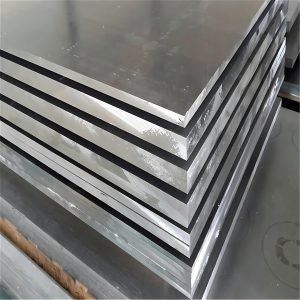
Aluminum sheet flatness should be specified before purchase, especially when the material will be laser cut, punched, bent, machined, laminated, or used as a visible panel. This matters to sheet-metal…

How to compare 5052, 5083, 6061 and 7075 aluminum
T6 vs T651 vs H116: what the suffix changes
Buyer feedback on this page should be read as a reference for common sourcing situations, such as checking specifications, comparing supplier options, preparing an RFQ, or reviewing export order requirements.
I used the aluminum embossed sheets page to clarify pattern options and thickness questions before sending our purchasing notes to a China supplier contact.
I needed aluminum embossed sheets for a panel project, and the page helped me separate surface texture requirements from alloy and finish questions.
I appreciated how the aluminum embossed sheets information kept my inquiry focused on tread style, sheet dimensions, and application use instead of generic sourcing language.
I reviewed the aluminum embossed sheets tag page while comparing decorative and anti-slip uses, and it helped me prepare more precise questions for suppliers.
Prepare alloy, temper, thickness, width, length, embossing pattern, surface finish, and end-use environment. Include drawing files or reference samples so the supplier can assess processing feasibility and align the sheet with your OEM application.
Request samples matching the target pattern, thickness, finish, and forming needs. Check appearance, dimensional tolerance, surface consistency, bend behavior, and fit with mating parts before confirming whether the specification is suitable for your project.
An RFQ should include material grade, temper, sheet size, embossing design, quantity estimate, packaging preference, destination port, and any inspection points. This helps suppliers respond with comparable technical and commercial information.
Embossed sheets add texture, visual depth, and improved surface grip compared with flat sheets. Flat sheets may be preferred where smooth appearance, easier lamination, or precise printing is more important than pattern effect.
Confirm moisture protection, surface separation, pallet style, edge protection, labeling, and handling instructions. Packaging should reduce abrasion and deformation risks during transport while matching your receiving, storage, and inspection requirements.
Key details include embossing depth, pattern repeat, alloy selection, temper, thickness tolerance, surface treatment, and cutting capability. Comparing these points helps identify suppliers that match the application instead of only matching general product names.
Send your inquiry with sheet size, thickness, pattern, finish, quantity, destination, packaging requirements, and sample needs. Clear project details help the supplier respond with a more relevant quotation.