
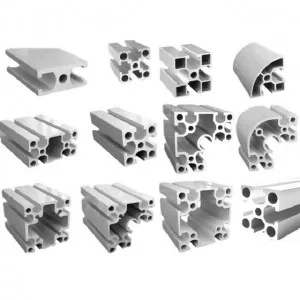
Extrusion alumium profiles
Aluminum profiles are products born from aluminum alloys bar that are transformed into shaped objects through the extrusion process. Extrusion alumium profiles are used in…
Read MoreAluminum Extrusion Profile Tolerance Sourcing in China: Manufacturers, Factories and Suppliers | SUZHOU TOP METAL MATERIALS CO.,LIMITED
Use this page to evaluate China Aluminum Extrusion Profile Tolerances Manufacturer, Factory & Suppliers from the perspective of OEM project planning. It brings together related products, practical selection checks, and buyer questions so your inquiry can be more specific from the beginning.
For a procurement manager, the most useful starting point is customization scope and sample approval. Review the product matches, comparison notes, FAQs, and recent buyer-style feedback before sending final requirements.
Aluminum profiles are products born from aluminum alloys bar that are transformed into shaped objects through the extrusion process. Extrusion alumium profiles are used in…
Read More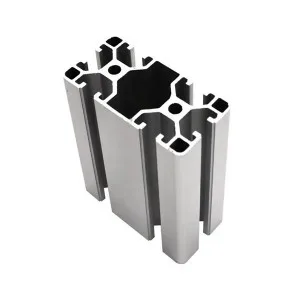
Industrial aluminium extrusion profiles are widely used and highly versatile. It is famous for its environmental protection, convenient assembly and disassembly, time saving…
Read More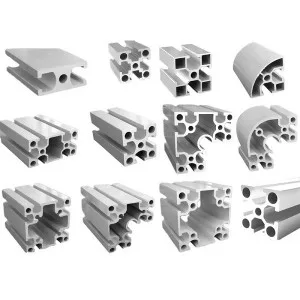
Custom Aluminium profile is widely used in construction, machinery, industry, etc. Aluminium profiles are a great way to add both style and function to your home.
Read More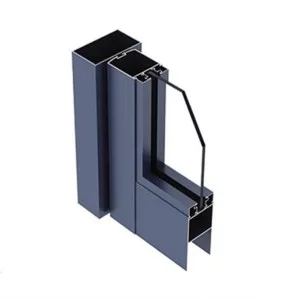
Aluminium extrusion profile for doors and windows is a kind of door and window frame decoration building material made of aluminum alloy as raw material. Its advantages are…
Read More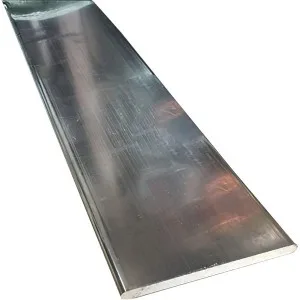
custom Rectangular busbar square angle EN AW 1350 aluminum Flat bus bar Pure aluminum has a conductivity of about 65 percent of the International Annealed Copper Standard (lACS). Aluminum can be produ…
Read More
1050 aluminum strip coil are often used in daily necessities, lighting fixtures, reflectors, decorations, chemical industry containers, heat sinks, signs, electronics, lamps, nameplates, electrical ap…
Read MoreAluminum Extrusion Profile Selection Guide
The related product list helps you compare China Aluminum Extrusion Profile Tolerances Manufacturer, Factory & Suppliers by actual product direction rather than keyword wording alone. Check whether each product supports OEM project planning, then use the table below to prepare a clearer RFQ.
| Criterion | What To Check | Why It Matters | Buyer Tip |
|---|---|---|---|
| Tolerance scope | Match drawing dimensions | Prevents OEM fit issues | Ask for tolerance sheet |
| Sample approval | Confirm pre-production samples | Reduces batch risk | Approve before tooling run |
| Custom options | Alloy, temper, finish | Supports application fit | List must-have specs |
| QC method | Inspection points and gauges | Controls profile consistency | Request QC checklist |
| RFQ clarity | Drawings, quantity, packing | Improves supplier quotes | Send complete files |
If you are searching for China Aluminum Extrusion Profile Tolerances Manufacturer, Factory & Suppliers, start by checking whether the supplier can understand your application, drawings, finish needs, and tolerance expectations before quoting.
For OEM project planning, the best next step is to confirm customization scope, request sample confirmation where needed, and compare responses based on technical clarity, quality check details, and export order support.
Begin with the application. Tell the supplier where the aluminum extrusion profile will be used, how it will be assembled, and which dimensions or tolerance points are critical. Drawings, reference samples, and photos help reduce misunderstanding during early communication.
Then review the customization scope. Compare available alloy options, surface treatment, profile shape, cutting length, drilling, packaging, labeling, and any OEM requirements. For procurement managers, this step is useful for separating general catalog suppliers from suppliers that can discuss project-specific details.
Before placing an order, ask how sample confirmation is handled. Confirm sample lead time, inspection items, approval method, and whether any changes after sampling will affect tooling, cost, or delivery. Clear sample approval helps support internal engineering and purchasing decisions.
When building a shortlist, compare more than unit price. Check communication speed, technical detail, quality check process, export packaging, after-sales support, and the supplier’s ability to answer application-fit questions. A complete RFQ makes supplier comparison faster and more reliable.
| Criteria | Importance | Description | Example Options |
|---|---|---|---|
| Tolerance scope | High | Defines allowable dimensional deviation. | Width, height, wall thickness |
| Sample approval | High | Confirms fit before bulk planning. | Checked against assembly drawing |
| Critical dimensions | High | Prioritizes function-sensitive areas. | Slots, mating faces, angles |
| Custom processing | Medium | Shows post-extrusion capability needs. | Cutting, drilling, machining |
| Application fit | High | Links profile tolerance to use. | Frame, rail, enclosure |
Recommended Products
Top product matches should be reviewed by fit, specification clarity, customization readiness, and how well they support application matching. Use these factors to shortlist practical options before contacting the supplier.






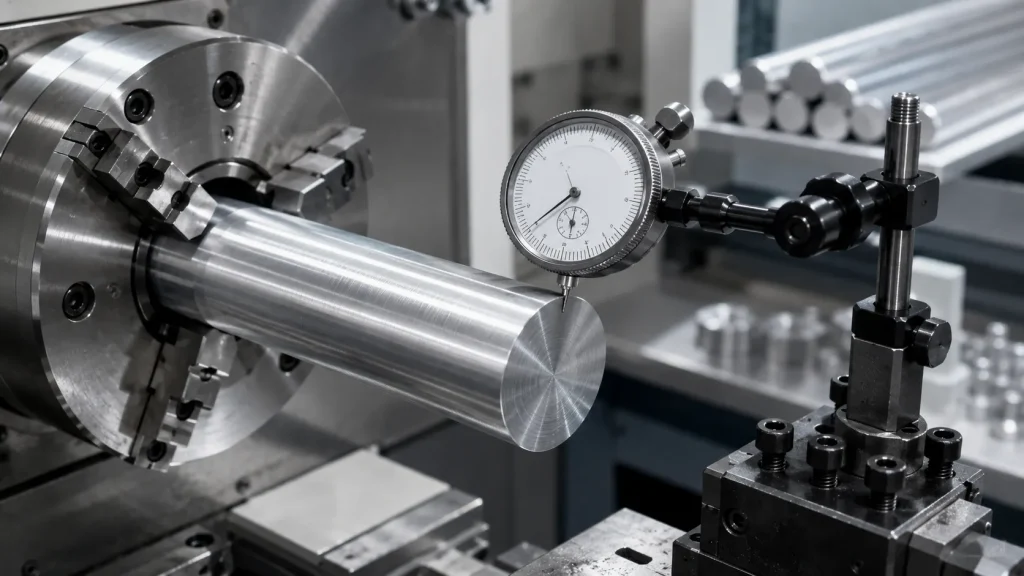
Is Your Aluminum Bar Causing CNC Turning Runout? Aluminum bar may contribute to CNC turning runout when it is bent, out of round, inconsistent in diameter, damaged near the clamping area, or deformed …

Aluminum sheet flatness should be specified before purchase, especially when the material will be laser cut, punched, bent, machined, laminated, or used as a visible panel. This matters to sheet-metal…

How to compare 5052, 5083, 6061 and 7075 aluminum
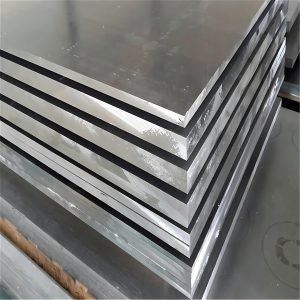
T6 vs T651 vs H116: what the suffix changes
Recent buyer-style feedback can help you review supplier options from practical situations such as checking product specifications, preparing an RFQ, comparing export order needs, and confirming application fit.
I used the aluminum extrusion profile tolerances notes to separate critical dimensions from cosmetic preferences before contacting a China manufacturer or suppliers.
I needed clearer wording around aluminum extrusion profile tolerances, and this page helped me ask better questions about drawing limits and acceptable variation.
I was comparing China aluminum extrusion profile tolerances suppliers, and the content reminded me to confirm measurement points instead of assuming one standard fit.
I referenced this tag page while preparing an RFQ, especially to describe aluminum extrusion profile tolerances for grooves, wall thickness, and mating parts.
Confirm the drawing revision, tolerance class, alloy, temper, surface finish, and key inspection points before sample production. After receiving samples, compare dimensions against your functional assembly needs and record approval comments for RFQ alignment.
Provide CAD drawings, critical-to-function dimensions, wall thickness, length, straightness needs, mating parts, and finishing requirements. Clear tolerance notes help suppliers evaluate extrusion feasibility and avoid mismatches during shortlist comparison.
Important checks include dimensional measurement, flatness, straightness, twist, angle accuracy, surface condition, and fit testing with related components. Define inspection methods and acceptable deviations early to support consistent sample approval.
Ask how tolerance-related issues are reviewed, what evidence is required, and how technical feedback is handled after delivery. Keep discussions focused on documentation, inspection records, and corrective communication rather than unverified guarantees.
Match tolerance requirements to assembly function, load position, sealing surfaces, machining allowance, and appearance needs. Overly tight tolerances may limit options, while loose tolerances can affect fit, so prioritize critical dimensions.
Clarify alloy selection, temper, profile geometry, tolerance targets, cut length, machining, drilling, surface treatment, packaging preferences, and labeling needs. This helps suppliers assess manufacturability and prepare comparable technical responses.
Share your drawings, target application, tolerance requirements, surface finish, quantity range, destination, and sample approval needs so the supplier can respond with more relevant information.