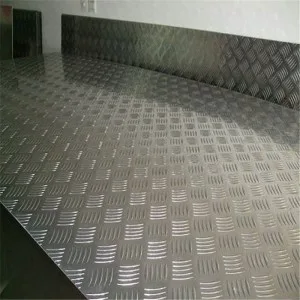
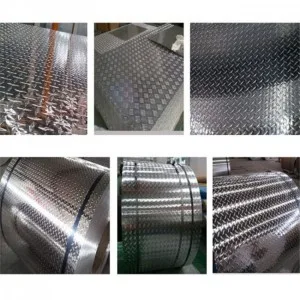
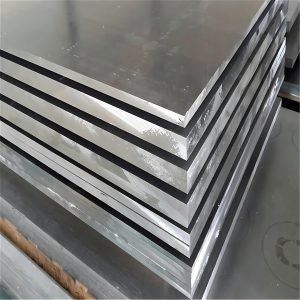
China Large Aluminum Foil Sheets Manufacturer, Factory & Suppliers should be evaluated by material grade, sheet size, thickness range, temper, surface condition, packaging format, and export order requirements.
To receive a practical quotation, share the application, target dimensions, quantity range, destination, required packaging, and any sample or inspection needs. This helps the supplier confirm whether standard sheets or customized configurations are more suitable.
Start with the sheet specification. Confirm alloy or material requirement if known, thickness, width, length, temper, surface finish, and whether the sheets need to be flat-packed, interleaved, protected, or bundled for handling. If the end use has strict tolerances, state them clearly in the RFQ.
Review packaging requirements early. Large sheets can be affected by handling, stacking, moisture, and transport conditions, so the quotation should clarify inner protection, carton or pallet options, labeling, and export packing expectations. Include warehouse or production line handling limits if they affect sheet size or bundle weight.
For sample confirmation, ask whether samples can reflect the final material, thickness, surface, and packaging style. If you are comparing related aluminum foil products, note the differences between roll stock, cut sheets, laminated options, and heavier foil configurations so the supplier can recommend the closest match.
When comparing supplier replies, look beyond unit price. Check whether the response addresses your technical details, MOQ, lead time, inspection approach, documentation needs, and order repeatability. A clear answer to your specification checklist is more useful than a broad product list.