

Stucco Embossed aluminum plate coils
Aluminum embossed plate coils are commonly used in various industries, including automotive, construction, and signage. They are lightweight, durable, and resistant to…
Read MoreAluminum Gutter Coils Selection Guide | SUZHOU TOP METAL MATERIALS CO.,LIMITED
Aluminum gutter coils are formed into continuous gutters, so the coil must run through the forming equipment and produce the required profile without cracking or damaging the finish. Start with the gutter profile and forming method; they determine the width, thickness, and forming properties to discuss.
Aluminum embossed plate coils are commonly used in various industries, including automotive, construction, and signage. They are lightweight, durable, and resistant to…
Read More
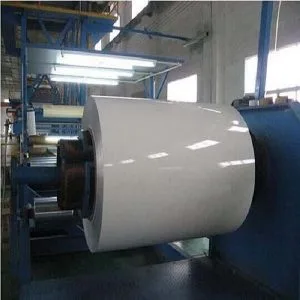
Color coated aluminum coils are light in weight but high in strength and have good wind pressure resistance, making them suitable for use as building materials.
Read More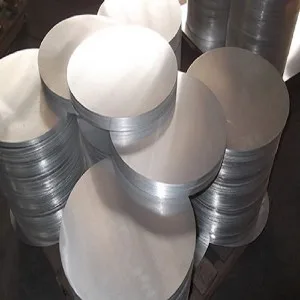
Cookware Anodized Aluminum Discs 1050 1060 1100 3003 With Thickness 0.6-1.5mm aluminum round disc is mainly used for general commercial and industrial uses, like the capacitor case, toothpaste case, m…
Read More
Polished Mill Finish Aluminum Round Plate 3003 5052 Round Aluminum Discs Polished / Mill Finish Aluminum Round Plate , 3003 5052 Round Aluminum Discs 1050 1060 aluminium discs circle manufacturer 3003…
Read More
4017 aluminum sheet is a bright finish tread similar to 3003 grades. 4017 aluminium coils provides durability. Also referred to as Aluminum Diamond Plate, Aluminum Tread Plate,…
Read More
1050 aluminum strip coil are often used in daily necessities, lighting fixtures, reflectors, decorations, chemical industry containers, heat sinks, signs, electronics, lamps, nameplates, electrical ap…
Read MoreCoil selection
Compare aluminum gutter coil options by formed profile, substrate thickness and temper, finish, and compatibility with the forming line. These details matter more than a nominal gutter size on its own.
| Criterion | What To Check | Why It Matters | Buyer Tip |
|---|---|---|---|
| Alloy and temper for gutter forming | Compare the proposed alloy and temper with the bending and roll-forming steps used for the gutter profile. | A coil that is too hard for the profile may crack at bends; one that is too soft may deform during handling. | Can you confirm the alloy and temper against our gutter profile or a formed sample? |
| Thickness and tolerance | Specify the required metal thickness and acceptable variation, stating whether thickness excludes the coating. | Thickness affects the gutter’s rigidity and how consistently it runs through forming equipment. | What thickness tolerance can you confirm for the coil? |
| Slit width and edge condition | Match coil width to the profile’s developed width and check the stated width tolerance and slit-edge condition. | Incorrect width changes the finished profile; damaged or burred edges can disrupt forming. | Can you supply the required slit width and confirm how the edges are checked? |
| Coating and appearance | Compare coating type, color, gloss and which side faces outward after forming. | The visible surface must suit the intended appearance and exposure, including at bends. | Can you provide a finish sample and confirm the coated side orientation? |
| Coil format for the forming line | Check coil inner diameter, outer diameter, weight and winding direction against the line’s handling limits. | A suitable strip can still be difficult to run if the coil does not fit the decoiler or feeds in the wrong orientation. | What coil dimensions and winding direction can you supply for our line? |
A coil that bends successfully is not necessarily suitable for a finished gutter. Bare aluminum may be appropriate if the gutter will be finished later, while prepainted coil needs a coating that can withstand forming and the intended outdoor exposure. Confirm which side of the coil will face outward and whether the reverse side has a finish requirement.
Match coil width to the developed width of the gutter profile, including hems and allowances for the forming process. Ordering by the visible gutter width alone can leave too little material for the edges.
Choose thickness and temper together. A stiffer coil may help the formed gutter hold its shape, but it can be harder to form cleanly at tight bends. If you have an approved production coil, its material designation and forming results are a useful starting point.
For prepainted material, discuss the coating system, color and gloss requirements, and any exposure concerns such as strong sun or coastal conditions. Ask how finish consistency and bend performance can be checked before committing to a production quantity.
Finally, confirm the coil dimensions and weight your equipment can accept, along with edge condition and protective packaging. Send the gutter profile or developed-width drawing and your equipment limits to SUZHOU TOP METAL MATERIALS CO.,LIMITED to ask what coil options can be supplied.
| Criteria | Importance | Description | Example Options |
|---|---|---|---|
| Developed width | Determines whether the coil contains enough material to form the complete profile. | Compare coil width with the flat pattern, including hems and forming allowances, rather than the gutter’s visible opening. | A profile with a rolled front edge needs material beyond the width visible after forming. |
| Thickness and temper | Affects both the gutter’s shape retention and its ability to form cleanly. | Evaluate the two together against the profile’s bends and the forming equipment; extra stiffness is not useful if bends crack or feed becomes unreliable. | Compare candidate coils by forming the same profile, particularly at its tightest bend. |
| Surface finish | Changes the finishing workflow and the appearance of the exposed gutter. | Bare coil can be finished later; prepainted coil needs suitable bend performance, color consistency and an identified outward-facing side. | For a prepainted gutter, check the visible surface after forming rather than judging only a flat coil sample. |
| Coil format and edges | Affects handling and feeding on the buyer’s forming line. | Confirm acceptable coil inside diameter, outside diameter, weight and edge condition before ordering. | A coil of the correct metal width may still be unsuitable if its weight exceeds the equipment’s limit. |
Related Options
For a continuous gutter formed on site, prioritize a coil that feeds reliably and holds its finish through the bends. Confirm the required profile and outward-facing surface before selecting a material.






When sourcing from an aluminum coil manufacturer in China, B2B buyers need more than a product name or a basic quotation request. A reliable procurement specification should connect the aluminum coil …

When buyers search for a reflective aluminum sheet manufacturer, the key challenge is usually not finding a supplier website. The more important question is whether the supplier can provide a product …

3003 alloy aluminum coil is an Al-Mn, non-heat-treatable material used where formability and corrosion resistance matter. But a B2B buyer cannot build a reliable quotation around the words “3003…

A request for 6061 0 aluminum sheet is a temper-specific purchasing question, not simply a request for generic 6061 sheet. That distinction matters when a buyer compares supplier quotations. TOP METAL…
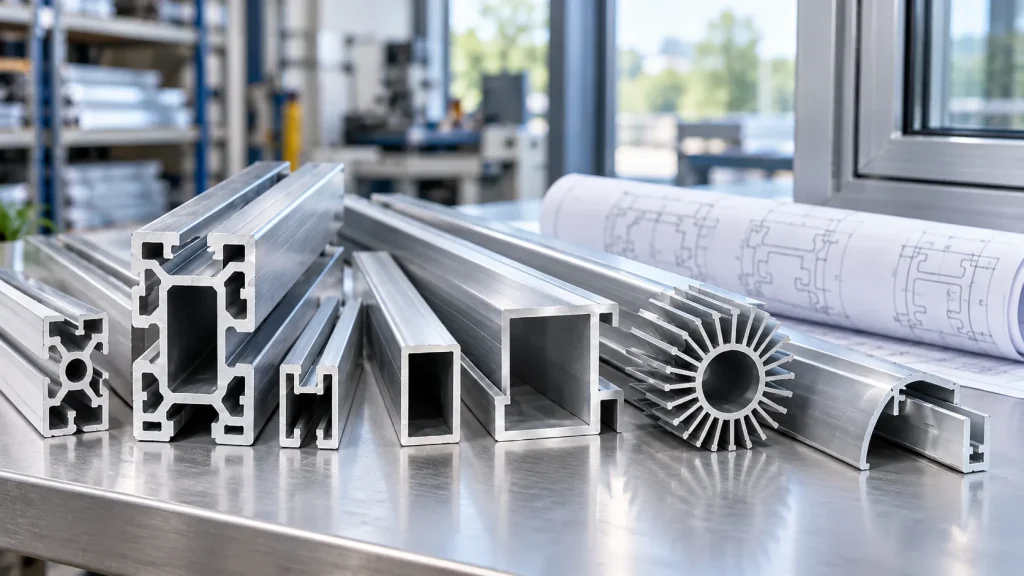
An aluminum profile is an aluminum or aluminum-alloy product with a defined cross-sectional shape that continues along its length. In construction and industrial supply, the term commonly refers to an…

5052 aluminum sheet and plate are flat-rolled aluminum-magnesium products considered for parts that need formability, corrosion resistance and moderate strength. Choosing the material means specifying…
Not necessarily. Profiles can require different developed widths and bend shapes, so check each profile against the coil width and forming properties before treating one coil as interchangeable.
Choose bare aluminum if the gutter will be finished after forming. Prepainted coil provides a finished surface before forming, but its coating must tolerate the bends and suit the expected outdoor exposure.
No. Thickness affects the formed gutter’s stiffness, but it also changes how the material runs through the forming equipment. Consider thickness alongside temper, profile geometry and the results of a forming trial.
No. Temper and coating can affect how a coil behaves at tight bends, even when the alloy designation is the same. If you have a coil that forms well, provide its full material designation and a sample of the finished gutter for comparison.
Send the profile drawing or developed width, desired thickness and finish, and the maximum coil dimensions and weight your equipment accepts. Include the required outward-facing side and any known forming problems so the proposed material can be checked against your process.
Share your gutter profile or developed width, required thickness and finish, and the coil dimensions your forming equipment accepts.