
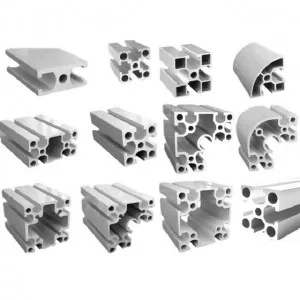
Extrusion alumium profiles
Aluminum profiles are products born from aluminum alloys bar that are transformed into shaped objects through the extrusion process. Extrusion alumium profiles are used in…
Read MoreAluminum Profiles for Canada: China Manufacturer, Factory and Supplier Sourcing | SUZHOU TOP METAL MATERIALS CO.,LIMITED
For OEM project planning, aluminum profiles need to match the application before a quotation is useful. This page helps procurement managers review China Aluminum Profiles Manufacturer, Factory & Suppliers For Canada with a focus on profile type, finish, tolerance needs, packaging, and sample approval.
Use the product information and guide sections to build a practical shortlist. Clear drawings, usage details, order volume, and approval steps can help suppliers respond with more relevant options for your Canada-bound sourcing plan.
Aluminum profiles are products born from aluminum alloys bar that are transformed into shaped objects through the extrusion process. Extrusion alumium profiles are used in…
Read More
1050 aluminum strip coil are often used in daily necessities, lighting fixtures, reflectors, decorations, chemical industry containers, heat sinks, signs, electronics, lamps, nameplates, electrical ap…
Read More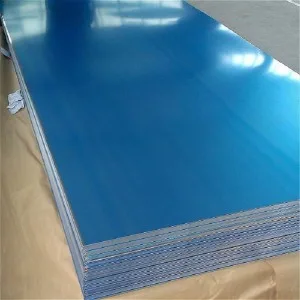
Aluminium 1080A, with the European designation EN AW-1080A is a ‘commercially pure’ alloy, minimum 99.8% Al, available as round bar or wire For the 1080 industrial pure aluminum, with high plast…
Read More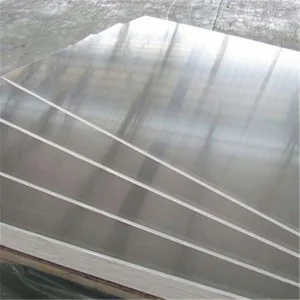
The pattern aluminum plate is also a kind of metal material, and it needs to be protected by scientific methods in daily operation. At the top of the list, regular cleaning, the stains on the exterior…
Read More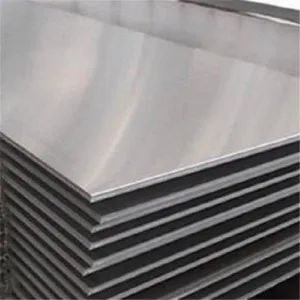
There are different types of aluminum sheet metal, aluminum sheet grades means each type of cast aluminum plate has its special superior advantages. our main aluminum products including 1000 series al…
Read More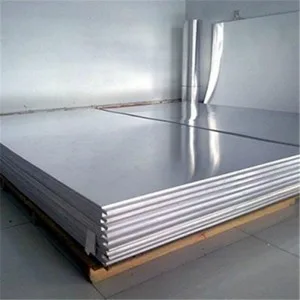
Aluminum plate price usually depends on the international aluminium alloy price and the production cost. The customers can search aluminium alloy price on the Internet and now the most authoritative p…
Read MoreAluminum Profile Product Guide
The related product list helps you compare China Aluminum Profiles Manufacturer, Factory & Suppliers For Canada by actual product direction rather than keyword wording alone. Check whether each product supports OEM project planning, then use the table below to prepare a clearer RFQ.
| Criterion | What To Check | Why It Matters | Buyer Tip |
|---|---|---|---|
| Application fit | Match profile series to OEM use | Avoids redesign after sampling | Share drawings and load needs |
| Customization scope | Confirm alloy, temper, finish, length | Defines factory feasibility | List must-have tolerances |
| Sample approval | Review cut, finish, and dimensions | Locks quality before bulk order | Approve against CAD files |
| Canada order needs | Check packing, labels, documents | Supports export planning | State carton or pallet rules |
| RFQ completeness | Include volume, specs, timeline | Improves quote accuracy | Attach BOM and target date |
China Aluminum Profiles Manufacturer, Factory & Suppliers For Canada should be evaluated by application fit, customization scope, sample process, packaging requirements, and export order communication. A useful supplier reply should connect the profile recommendation to your project use, not only provide a general catalog.
For procurement managers, the best first step is to prepare drawings, dimensions, surface finish needs, quantity range, delivery expectations, and sample confirmation requirements. This helps turn a broad search for aluminum profiles Canada into a clear RFQ.
Start with the application. Define whether the aluminum profiles will be used for frames, machinery parts, enclosures, construction-related components, display systems, or another OEM assembly. Include load expectations, visible surface requirements, assembly method, and any machining or finishing needs.
Next, prepare the technical details that affect quotation accuracy. Useful information may include alloy preference, profile drawing, length, wall thickness, tolerance, surface treatment, color, cutting length, drilling, tapping, CNC processing, and accessory requirements. If details are still under review, share a sample or reference photo.
Sample approval is important for Canada-bound OEM projects. Ask how samples are prepared, what details can be confirmed before bulk production, and how changes are handled after review. Confirm whether packaging needs cartons, pallets, protective film, labels, or other project-specific instructions.
When comparing supplier responses, look for clear questions and practical recommendations. A supplier that helps compare related profile options, explains lead-time factors, and requests missing RFQ details can be easier to evaluate than one that only sends a broad price list.
| Criteria | Importance | Description | Example Options |
|---|---|---|---|
| Customization scope | High | Matches OEM design needs | Custom section, holes, finish |
| Sample approval | High | Reduces specification mismatch | Approved drawing and sample |
| Surface finish | Medium | Affects appearance and use | Anodized or powder coated |
| Packaging method | Medium | Protects long profiles in transit | Film, separators, wooden case |
| RFQ completeness | High | Improves supplier comparison | Drawing, alloy, quantity |
Recommended Products
The top product section is designed to help procurement teams quickly review related aluminum profile options for Canada-focused inquiries. Compare each item by profile structure, finish, size range, and project relevance, then use the strongest matches to prepare a focused RFQ with drawings, quantities, destination, and sample requirements.







Buyers should send the required alloy, temper, thickness, sheet size, hole shape, hole size, pitch, pattern orientation, open area, blank margins, tolerances, finish, flatness, burr direction, drawing…

Is Your Aluminum Bar Causing CNC Turning Runout? Aluminum bar may contribute to CNC turning runout when it is bent, out of round, inconsistent in diameter, damaged near the clamping area, or deformed …

Aluminum sheet flatness should be specified before purchase, especially when the material will be laser cut, punched, bent, machined, laminated, or used as a visible panel. This matters to sheet-metal…

How to compare 5052, 5083, 6061 and 7075 aluminum
Recent buyer-style feedback can be useful when checking product specifications, comparing supplier options, preparing an RFQ, or reviewing export order needs. Use these notes as prompts for the technical and commercial questions your team should confirm.
I used this tag page to shape an aluminum profiles Canada inquiry, especially around alloy preferences, profile drawings, and questions our purchasing team needed clarified.
I needed a clearer way to discuss aluminum profiles Canada with engineering, and this page helped me separate extrusion dimensions from finishing expectations.
Before contacting suppliers, I reviewed this aluminum profiles Canada page to list practical questions about cut lengths, surface treatment, and drawing tolerances.
This helped me organize our aluminum profiles Canada notes so procurement could explain application use, packaging concerns, and expected documentation more clearly.
Share the target application, alloy preference, temper, section drawing, surface finish, tolerance focus, and assembly needs. This helps the supplier assess extrusion feasibility and recommend suitable aluminum profiles for Canadian OEM project planning.
Confirm profile dimensions, wall thickness, finish appearance, cutting length, machining positions, and fitting compatibility. A signed sample or approved drawing helps align expectations before moving from evaluation to purchase order.
Include drawings, annual or batch quantity, alloy and temper, surface treatment, cutting or machining requirements, packaging expectations, destination, and inspection criteria. Clear RFQ data supports a more comparable supplier shortlist.
State whether profiles need film protection, separators, bundled packing, wooden cases, or moisture-resistant measures. Packaging should match finish sensitivity, profile length, handling method, and the buyer’s warehouse or production line process.
Compare alloy grade, temper, cross-section strength, weight per meter, surface finish, tolerance range, and post-processing options. These details help determine whether a profile fits structural, decorative, enclosure, or assembly use.
Ask about drawing review time, tooling evaluation, sample preparation steps, production scheduling assumptions, finishing workflow, and export packing sequence. Avoid relying on fixed timing until the supplier reviews drawings and order scope.
Send your inquiry with drawings, dimensions, finish requirements, quantity range, delivery destination, packaging needs, and sample approval expectations. Clear project information helps the supplier recommend suitable aluminum profiles and prepare a more accurate quotation.