

Thick Aluminum Sheet
The next finer classification is the aluminium sheet standard sizes. Standard aluminium sheet sizes include aluminium sheet metal thickness, width and length. When ordering aluminum alloy sheet, custo…
Read More1/4 Thick Aluminum Sheet Sourcing in China: Manufacturers, Factories and Suppliers | SUZHOU TOP METAL MATERIALS CO.,LIMITED
Use this page to evaluate China 1/4 Thick Aluminum Sheets Manufacturer, Factory & Suppliers from the perspective of OEM project planning. It brings together related products, practical selection checks, and buyer questions so your inquiry can be more specific from the beginning.
For a procurement manager, the most useful starting point is customization scope and sample approval. Review the product matches, comparison notes, FAQs, and recent buyer-style feedback before sending final requirements.
The next finer classification is the aluminium sheet standard sizes. Standard aluminium sheet sizes include aluminium sheet metal thickness, width and length. When ordering aluminum alloy sheet, custo…
Read More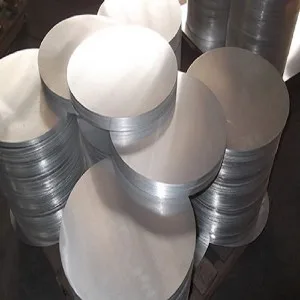
Cookware Anodized Aluminum Discs 1050 1060 1100 3003 With Thickness 0.6-1.5mm aluminum round disc is mainly used for general commercial and industrial uses, like the capacitor case, toothpaste case, m…
Read More
Brushed Aluminum Sheets are produced by using abrasive paper repeatedly to scrape lines on aluminum sheet. The main technological process can be divided into three pats: degrease, sander and washing. …
Read More
A stucco embossed finish is designed to have superior durability, reduce glare and reflectivity, and also to give aluminum a decorative finish. The stucco aluminum sheet is also a finish that can stan…
Read More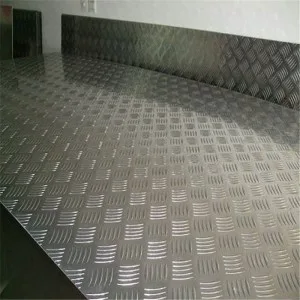
Series 1000 aluminum alloy is also known as “industrial pure aluminum”, which has the most wide uses in many territories, such as industry, architecture, decorative building, marine, aircraft, etc. Th…
Read More
Polished Mill Finish Aluminum Round Plate 3003 5052 Round Aluminum Discs Polished / Mill Finish Aluminum Round Plate , 3003 5052 Round Aluminum Discs 1050 1060 aluminium discs circle manufacturer 3003…
Read MoreProduct Guide for OEM Aluminum Sheet Selection
The related product list helps you compare China 1/4 Thick Aluminum Sheets Manufacturer, Factory & Suppliers by actual product direction rather than keyword wording alone. Check whether each product supports OEM project planning, then use the table below to prepare a clearer RFQ.
| Criterion | What To Check | Why It Matters | Buyer Tip |
|---|---|---|---|
| Thickness fit | Confirm 1/4 in tolerance | Matches OEM load needs | Attach drawing or spec |
| Alloy selection | Match grade to use case | Affects strength and forming | State 5052, 6061, etc. |
| Cut size options | Ask sheet and cut-to-size range | Reduces secondary processing | List net sizes in RFQ |
| Sample approval | Request sample before bulk | Verifies surface and machining fit | Define sample acceptance points |
| Export packing | Confirm pallet and moisture protection | Limits transit damage risk | Share unloading conditions |
China 1/4 Thick Aluminum Sheets Manufacturer, Factory & Suppliers should be evaluated by application fit, available dimensions, alloy or finish options, packaging needs, and how clearly the supplier responds to project details.
For a procurement manager, the best inquiry includes drawings or size targets, quantity range, destination, sample requirements, and lead-time expectations so the supplier can confirm what is feasible before quotation.
Begin with the application. Confirm whether the 1/4 thick aluminum sheets will be cut, machined, bent, welded, assembled, or used as visible panels. This helps narrow the suitable material, tolerance, surface condition, and packaging method.
Then define the customization scope. Share required sheet size, thickness tolerance if needed, surface finish, protective film needs, cutting service, labeling, pallet style, and any OEM documentation requirements. Clear information reduces back-and-forth during supplier communication.
For sample approval, ask whether the sample should represent material, finish, size, packing, or all of these points. If the project has multiple approval stages, explain who will review the sample and what details must be checked before bulk order confirmation.
Before placing a bulk order, prepare the target quantity, delivery destination, expected schedule, inspection points, and export packaging requirements. When comparing suppliers, give more weight to responses that address your actual application rather than only sending a general product list.
| Criteria | Importance | Description | Example Options |
|---|---|---|---|
| Application match | High | Align alloy and temper with OEM use. | Machined bracket sheet |
| Customization scope | High | Check size, finish, cutting, tolerance options. | Cut-to-size panels |
| Sample approval | High | Confirm sheet quality before bulk planning. | Prototype test sheet |
| RFQ clarity | Medium | Complete specs improve supplier responses. | Alloy, temper, size |
| Export packaging | Medium | Protect sheets during handling and transit. | Pallet with edge guards |
Recommended Products
Top product matches should be reviewed by fit, specification clarity, customization readiness, and how well they support application matching. Use these factors to shortlist practical options before contacting the supplier.







Is Your Aluminum Bar Causing CNC Turning Runout? Aluminum bar may contribute to CNC turning runout when it is bent, out of round, inconsistent in diameter, damaged near the clamping area, or deformed …

Aluminum sheet flatness should be specified before purchase, especially when the material will be laser cut, punched, bent, machined, laminated, or used as a visible panel. This matters to sheet-metal…

How to compare 5052, 5083, 6061 and 7075 aluminum
T6 vs T651 vs H116: what the suffix changes
Use buyer-style feedback to understand how others compare specifications, prepare RFQs, review export order needs, and communicate with suppliers before making a sourcing decision.
I used the page to organize my questions about aluminum sheets 1/4 thick before discussing cutting, alloy choice, and surface finish requirements.
I found it useful for turning a loose inquiry into a clearer RFQ for 1/4 thick aluminum sheets with measurable dimensional expectations.
I needed a practical way to compare 1/4 thick aluminum sheet options for a structural panel project, and this gave my team better discussion points.
I appreciated how the tag page kept my focus on 1/4 inch aluminum sheet thickness, processing questions, and what to clarify with suppliers.
Share the OEM part function, load conditions, forming needs, surface expectations, and machining steps. The supplier can then suggest suitable alloy, temper, sheet size, tolerance range, and finish direction for technical review.
Discuss alloy grade, temper, sheet dimensions, cutting method, surface finish, protective film, edge condition, and tolerance requirements. Clear customization details help build a practical shortlist before sample approval and bulk order negotiation.
A useful RFQ should include alloy, temper, thickness, width, length, quantity, surface requirements, drawings if available, packing preferences, destination, and inspection points. This helps suppliers respond with relevant technical and commercial details.
Define sample dimensions, alloy, surface condition, tolerance checks, and intended test methods in advance. After receiving samples, compare them with drawings and application requirements, then record approval comments before confirming bulk specifications.
Ask what production, cutting, surface preparation, inspection, packing, and export document steps may affect timing. Avoid assuming a fixed schedule; request a project-based estimate after confirming specifications, quantity, and customization scope.
Clarify sheet protection, moisture control, pallet style, edge guarding, labeling, bundle weight limits, and handling requirements. Packaging details should match the sheet surface, transit route, unloading method, and the buyer’s warehouse process.
Send your sheet size, application, quantity range, sample needs, destination, and packaging requirements so the supplier can review your project and respond with more relevant information.