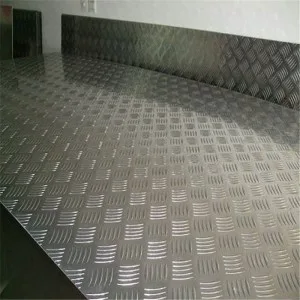
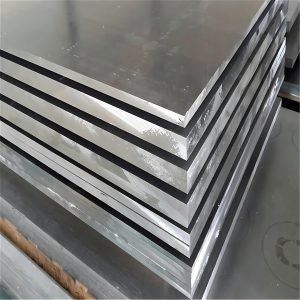
China Manufacturer, Factory & Suppliers Of Aluminum Sheets In Kansas should be evaluated by how clearly the supplier can respond to required alloy, thickness, width, length, surface condition, tolerance needs, packaging, and order volume.
A practical inquiry should include application context, target specifications, quantity range, delivery destination, and any custom processing requirements. This helps the supplier confirm application fit and provide a more relevant quotation.
Begin with a specification checklist. Confirm the required aluminum grade, sheet thickness, dimensions, surface finish, hardness or temper if applicable, and whether standard or custom sizes are needed. For bulk purchasing, unclear specifications can delay quotation and sample review.
Next, review application fit. Aluminum sheets used for fabrication, panels, equipment parts, signage, or enclosure work may require different surface conditions, flatness expectations, and packaging methods. Share drawings, photos, or previous purchase references when available.
For quality review, ask how material information, dimensional checks, surface inspection, packing confirmation, and order documentation are handled. If samples are needed, clarify sample size, lead time, and how feedback will be used before larger order placement.
When comparing supplier responses, look beyond the unit price. A useful supplier reply should address technical details, custom options, export order needs, after-sales communication, and any limits around size, finish, or processing.