Aluminum Window Door Profiles Selection Guide | SUZHOU TOP METAL MATERIALS CO.,LIMITED

Aluminum Profiles for Windows and Doors

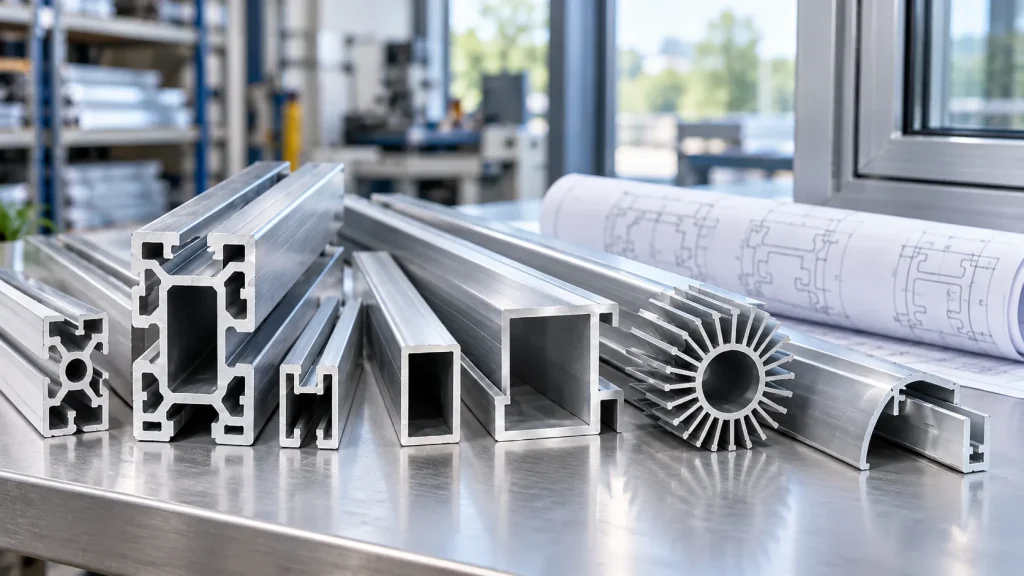
Aluminum window and door profiles need to fit the whole assembly, not just the opening. Frame, sash and threshold sections must work with the specified glazing, seals and hardware. A profile that looks right in a drawing can still leave too little room for a gasket or the wrong fixing point for a hinge.

Related Products

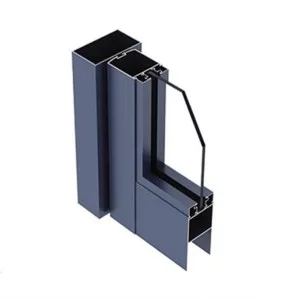
Extruded aluminium window profiles

Extruded aluminium window profiles

Aluminium extrusion profile for doors and windows is a kind of door and window frame decoration building material made of aluminum alloy as raw material. Its advantages are…

Read More
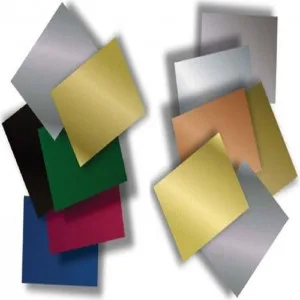
Stucco Embossed Aluminum Sheet

Stucco Embossed Aluminum Sheet

A stucco embossed finish is designed to have superior durability, reduce glare and reflectivity, and also to give aluminum a decorative finish. The stucco aluminum sheet is also a finish that can stan…

Read More
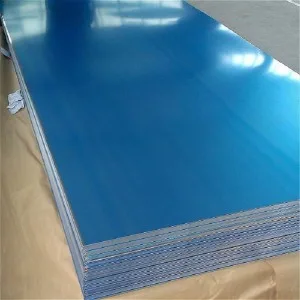
Golden Brushed Anodised Aluminum Sheet

Golden Brushed Anodised Aluminum Sheet

Anodized Aluminum is corrosion and abrasion resistant meaning it will not fade, chip, peel, or flake. Anodizing is a process used to increase the thickness of the natural oxide layer on the surface of…

Read More
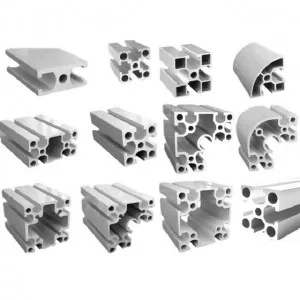
Extrusion alumium profiles

Extrusion alumium profiles

Aluminum profiles are products born from aluminum alloys bar that are transformed into shaped objects through the extrusion process. Extrusion alumium profiles are used in…

Read More

Match profiles to the window or door assembly

Profile selection

Compare aluminum window and door profiles by their role in the assembly, cross-section compatibility, glazing space, hardware interfaces, thermal-break layout and finish—not by outer dimensions alone.

Criterion What To Check Why It Matters Buyer Tip
Frame and sash geometry Compare dimensioned cross-sections with the intended window or door hardware. A profile can look similar yet leave too little room for hinges, locks or drainage. Can you review our section drawing against the hardware and opening type?
Glazing and gasket fit Confirm the glazing pocket, bead and gasket details against the specified glass unit. Mismatched parts can prevent proper glass retention and sealing. Which beads and gaskets fit our glass unit?
Thermal-break design If insulation matters, review a cross-section showing how the inner and outer aluminum sections are separated. An unbroken aluminum section transfers heat differently from a thermal-break design. Is this section thermally broken, and what mating frame and sash sections does it require?
Alloy and temper Ask for the alloy and temper specified for each profile, including any sections that will be bent or machined. Strength and formability affect fabrication and the finished assembly. Which alloy and temper are proposed for our drawings?
Exposed finish Agree on the finish type, color reference and acceptance sample before ordering. Profiles joined in one frame need a consistent appearance suited to their exposure. Can you provide a finish sample for approval against our project color?

Decide on interfaces, thermal break and finish

The key distinction is between buying profiles for an established window or door system and developing a new assembly. For an established system, match the approved cross-sections and connection details; a similar-looking extrusion is not necessarily interchangeable. For a new design, confirm how the frame, sash, glazing beads, drainage and hardware will work together before approving tooling or a finish.

Start with the opening type and use. A fixed window has different profile needs from an operable sash or a frequently used door. Share section drawings and identify the frame, sash, mullion, transom and threshold pieces needed, so the discussion covers the complete assembly rather than one extrusion.

Decide whether the project calls for thermally broken or non-thermally broken profiles. A thermal break can reduce heat transfer through the frame, but its layout must also suit the chosen glazing and connections. Do not assume a thermal-break section will accept hardware or accessories designed for a different system.

Check finish and exposure together. Anodized and coated surfaces have different appearance and maintenance considerations; colour matching can also matter across separate batches and components. Confirm the required finish, visible surfaces and intended environment before ordering.

Finally, compare the drawing with the physical interfaces: glass thickness, gasket grooves, drainage paths, corner joints and fixing locations. Send SUZHOU TOP METAL MATERIALS CO.,LIMITED the section drawings and application details, and ask which proposed profiles and finishes it can supply or develop to match them.

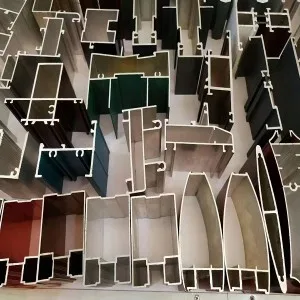
Criteria Importance Description Example Options
Opening and section type Determines the interfaces the profile must provide. Compare fixed, sliding and hinged assemblies by the sections and operating components each needs. A sliding sash needs a suitable track interface; a hinged sash needs suitable hinge and lock interfaces.
Existing-system compatibility Critical when replacing or adding to an established system. Compare cross-sections and connection details, not just visible width or shape. Two frame sections may look similar but have different gasket grooves.
Thermal-break design Relevant when heat transfer through the frame is a project concern. Compare thermally broken and non-thermally broken sections as parts of complete assemblies, including their glazing and joint details. A thermally broken frame must connect to compatible sash and accessory sections.
Finish and exposure Affects appearance and suitability for the intended environment. Compare finish types, visible surfaces and colour-matching needs across components. Matching replacement trim to an existing coated frame may require an agreed finish sample.

Blog Articles / Reviews

6061 0 Aluminum Sheet: What Should Buyers Verify?

6061 0 Aluminum Sheet: What Should Buyers Verify?

A request for 6061 0 aluminum sheet is a temper-specific purchasing question, not simply a request for generic 6061 sheet. That distinction matters when a buyer compares supplier quotations. TOP METAL…

What Is an Aluminum Profile?

What Is an Aluminum Profile?

An aluminum profile is an aluminum or aluminum-alloy product with a defined cross-sectional shape that continues along its length. In construction and industrial supply, the term commonly refers to an…

Frequently Asked Questions

Can the same profiles be used for sliding and hinged openings?

Usually not without checking the complete system. Sliding openings need track and roller interfaces, while hinged openings need sections that accommodate hinges, locking hardware and the intended seals.

Is a thermal-break profile always the better choice?

It can reduce heat transfer through the frame, but it adds a design interface that must suit the glazing and adjoining sections. The choice depends on the building’s thermal requirements and whether the complete window or door assembly uses compatible components.

Does a stronger aluminum alloy automatically make a better window frame?

No. Section geometry, intended loads, joining method and the selected window or door system matter alongside alloy and temper. Substituting an alloy without checking the approved design can create fabrication or fit problems.

Are profiles supplied as ready-to-install windows or doors?

A profile is a component, not necessarily a fabricated assembly. Ask which operations are included in the proposed supply, such as cutting, drilling or finishing, and which parts—glass, seals and hardware—must be sourced separately.

What should I send to check an existing system for a match?

Send dimensioned cross-section drawings, the function of each section and details of its connections to glass, gaskets and hardware. Identify the required finish and whether exact interchangeability with existing parts is essential.

Leave Your Message

Share your section drawings, window or door type, and glazing and finish requirements so the proposed profiles can be checked against the assembly.