
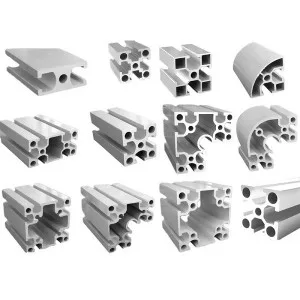
Custom aluminum profile manufacturer
Custom Aluminium profile is widely used in construction, machinery, industry, etc. Aluminium profiles are a great way to add both style and function to your home.
Read MoreBosch Aluminum Profile Cad Selection Guide | SUZHOU TOP METAL MATERIALS CO.,LIMITED
A Bosch Rexroth aluminum profile CAD model can help you lay out a machine frame or workstation before you order material. The key decision is whether the profile you plan to buy matches the model closely enough for your brackets, panels and cut lengths to fit.
Custom Aluminium profile is widely used in construction, machinery, industry, etc. Aluminium profiles are a great way to add both style and function to your home.
Read More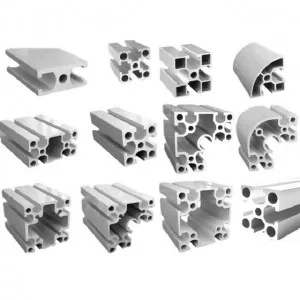
Aluminum profiles are products born from aluminum alloys bar that are transformed into shaped objects through the extrusion process. Extrusion alumium profiles are used in…
Read More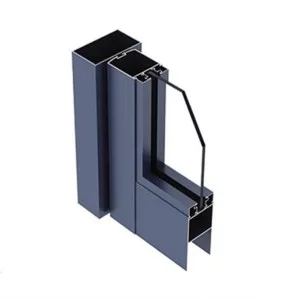
Aluminium extrusion profile for doors and windows is a kind of door and window frame decoration building material made of aluminum alloy as raw material. Its advantages are…
Read More
1050 aluminum strip coil are often used in daily necessities, lighting fixtures, reflectors, decorations, chemical industry containers, heat sinks, signs, electronics, lamps, nameplates, electrical ap…
Read More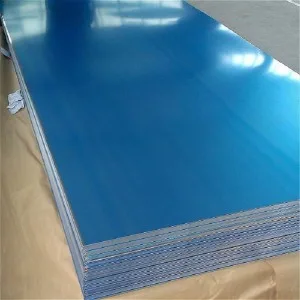
Aluminium 1080A, with the European designation EN AW-1080A is a ‘commercially pure’ alloy, minimum 99.8% Al, available as round bar or wire For the 1080 industrial pure aluminum, with high plast…
Read More
The pattern aluminum plate is also a kind of metal material, and it needs to be protected by scientific methods in daily operation. At the top of the list, regular cleaning, the stains on the exterior…
Read MoreProfile and CAD criteria
Compare the section geometry, slot interface and compatible joining hardware first; then check the CAD format and fabrication details needed to carry the design into an order.
| Criterion | What To Check | Why It Matters | Buyer Tip |
|---|---|---|---|
| Profile cross-section | Compare the CAD cross-section with the proposed profile’s dimensioned drawing, including the slot and internal cavities. | Matching outer dimensions alone does not mean the profiles will accept the same fasteners or cut the same way. | Ask for a dimensioned cross-section for the exact profile proposed. |
| Slot and connector fit | Confirm the slot geometry and the fit of the nuts, brackets and connectors specified in the Bosch design. | A connector that looks right in CAD may not seat or clamp correctly in a different slot. | Which specified accessories have been checked against this profile? |
| CAD model identity | Match the model’s part identifier and revision to the drawing and the profile being quoted. | An older or similar-looking model can carry the wrong geometry into the assembly. | Request a CAD file and drawing that identify the same proposed profile. |
| Cut lengths and machined features | Review the assembly drawing for end cuts, tapped ends and mounting holes, and confirm which features are required on the supplied parts. | A correct profile section can still fail to assemble if its prepared ends or holes differ from the design. | Mark required machining on the part drawing rather than relying on the 3D assembly alone. |
| Structural suitability | Compare the proposed section properties and material specification with the design’s load and deflection requirements. | CAD fit does not establish that an alternative profile will behave the same under load. | If the design relies on a Bosch profile’s published properties, ask for comparable data before approving a substitution. |
A CAD file shows design geometry; it does not establish that another profile is interchangeable with the Bosch Rexroth part it depicts. Profiles with similar outer dimensions can differ in slot shape, internal geometry and fastening details. Those differences matter most where brackets, T-nuts or panel mounts connect to the frame.
For layout work, a neutral 3D file may be enough. For purchasing or fabrication, pair it with a dimensioned section drawing and the exact profile reference so the supplied material can be checked against the design.
Start with the connections in your assembly. Identify the slot and fastener system, corner brackets, hinges and panel retainers that must fit. Do not select a substitute on outer dimensions alone.
Check what the CAD model actually represents. A simplified model may be suitable for checking space and cut lengths but omit slot details needed for a fit check. Confirm units, model revision and whether the file depicts the bare extrusion or a finished part.
Separate profile selection from fabrication details. Specify which members need cut-to-length ends, machining or a particular finish. For a loaded frame, have the design checked against the intended loads and support arrangement rather than relying on the CAD model as evidence of structural capacity.
Send the profile reference or section drawing with an assembly view. Ask whether the proposed profile and joining hardware match those interfaces, and request a marked drawing if a substitution is suggested.
| Criteria | Importance | Description | Example Options |
|---|---|---|---|
| Existing hardware versus a new connection system | Decisive when the frame must reuse brackets, fasteners or accessories. | A substitute extrusion may require different joining parts even if its outside dimensions look similar. | For an extension to an existing workstation, identify the brackets already in use before selecting the added members. |
| Simplified versus detailed CAD geometry | Depends on whether the model is for layout or connection checks. | Simplified geometry keeps assemblies easier to handle; detailed geometry is more useful for examining slots and mounting locations. | Use a simplified member for a preliminary footprint, then check a dimensioned section for a panel-retainer connection. |
| Single-profile file versus assembly model | Matters when the design must become a clear list of parts. | A single section supports member design, while an assembly shows how members and accessories relate; neither automatically defines cut lengths or quantities for purchase. | An assembly view can distinguish four upright members from crossmembers that use the same section. |
| Stock lengths versus finished members | Relevant when end conditions affect assembly. | Cutting and machining requirements should be identified separately from the extrusion section and shown on a drawing. | A frame member needing an end connection calls for an end-detail drawing, not just an overall length in the CAD model. |
Related Options
For a machine guard frame with existing Bosch Rexroth brackets, connection fit takes priority over a similar-looking extrusion. Verify the bracket and slot interface before finalizing cut lengths.






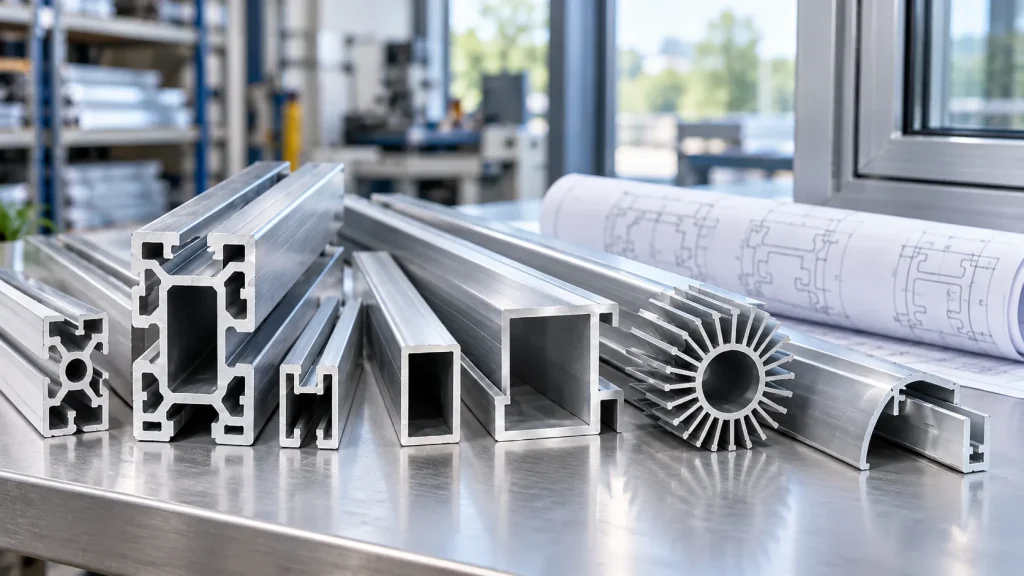
An aluminum profile is an aluminum or aluminum-alloy product with a defined cross-sectional shape that continues along its length. In construction and industrial supply, the term commonly refers to an…

When sourcing from an aluminum coil manufacturer in China, B2B buyers need more than a product name or a basic quotation request. A reliable procurement specification should connect the aluminum coil …

When buyers search for a reflective aluminum sheet manufacturer, the key challenge is usually not finding a supplier website. The more important question is whether the supplier can provide a product …

3003 alloy aluminum coil is an Al-Mn, non-heat-treatable material used where formability and corrosion resistance matter. But a B2B buyer cannot build a reliable quotation around the words “3003…

A request for 6061 0 aluminum sheet is a temper-specific purchasing question, not simply a request for generic 6061 sheet. That distinction matters when a buyer compares supplier quotations. TOP METAL…

5052 aluminum sheet and plate are flat-rolled aluminum-magnesium products considered for parts that need formability, corrosion resistance and moderate strength. Choosing the material means specifying…
It can be enough to plan the guard’s overall size and check door swing or access clearances. Before ordering, check the section drawing and hardware details at hinges, latches and panel edges; a simplified model may not show those interfaces.
If the frame must accept existing Bosch Rexroth hardware, preserving that connection system may be more valuable than changing the profile. An alternative gives you more options for a new frame, but treat its brackets, fasteners and panels as a matched system rather than assuming parts will interchange.
No. The outline may match while the slot opening, internal walls or fastening surfaces differ. Compare dimensioned cross-sections and the actual connection method before approving a substitution.
Ask for a format your CAD software can import, such as a neutral 3D format, and state whether you need individual members or an assembled frame. Check units and part references after import; an assembly model is most useful when its components can be traced to the intended order.
Send the profile reference or dimensioned section, required lengths and quantities, and an assembly view showing critical connections. Ask whether the proposed extrusion and compatible hardware can be supplied, and whether any requested cutting, machining or finish is available.
Send your profile reference or section drawing, the CAD file or format you need, and details of the brackets or fasteners the frame must accept.