
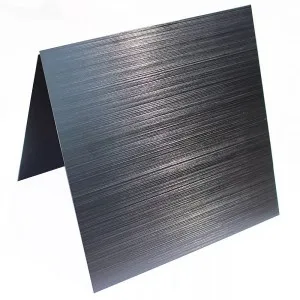
black anodized aluminum sheet Bronze anodized aluminum plate
Anodizing is an electrolytic process that vastly increases the thickness and toughness of this aluminum oxide layer Black dye is one of those dyes that are formulated…
Read MoreBronze Anodized Aluminum Sheet Selection Guide | SUZHOU TOP METAL MATERIALS CO.,LIMITED
Bronze anodized aluminum sheet gives panels, trim and other visible parts a bronze-colored surface without using bronze metal. The main decision is how the finish should look in the finished assembly: a small color difference or a change in sheen can stand out when sheets sit side by side.
Anodizing is an electrolytic process that vastly increases the thickness and toughness of this aluminum oxide layer Black dye is one of those dyes that are formulated…
Read More
High glossy reflective Specular bright alloy 1085 anodized aluminum mirror finish sheet 1085 aluminium bright mirror sheet coil 1085 H24, H18, H19 Thickness: 0.3-1.0mm Width: 250mm-1500mm Surface: Bri…
Read More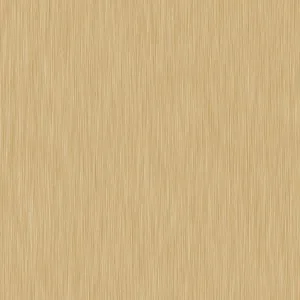
On the basis of above classification of aluminium alloys, aluminum plates can also be divided into many types. The first important principle is aluminum plate material.
Read More
Mirror Finish Alloy Metal Anodized Aluminum Plate Sheet is widely used in lighting reflectors and lamp decorations, solar heat collection reflective materials, interior architectural decoration, exter…
Read More
China brushed anodized aluminum sheet copper color anodising black aluminium plate Anodized aluminum sheet is a sheet metal product consisting of aluminum sheeting exposed to an electrolytic passivati…
Read More
Mill Finish Aluminum Sheet Circle 1060 1070 1100 3003 Aluminum Plate For Cookware Aluminum circle 1050 1060 1070 3003 etc is mainly used in making cookware, like non-stick pan, pressure cooker, hardwa…
Read MoreSheet selection
Compare bronze-finished sheets by visible surface, base-metal thickness, fabrication needs and acceptable color variation—not by the word “bronze” alone.
| Criterion | What To Check | Why It Matters | Buyer Tip |
|---|---|---|---|
| Bronze shade and sheen | Compare physical samples under the lighting used at the installation site. | A bronze tone can look different under warm and cool light, and gloss changes how visible those differences are. | Can you provide a finish sample for approval before the order? |
| Sheet and coating thickness | Confirm whether each stated thickness refers to the aluminum base sheet, the anodized layer or the finished sheet. | Confusing these dimensions can affect fit in frames, channels and other tight assemblies. | Which thickness is controlled for the part's fit? |
| Alloy, temper and forming | Match the proposed alloy and temper to the required bends, flatness and sheet size. | A sheet chosen for stiffness may be less suitable for tight bends. | Will the parts be bent, and what is the smallest bend radius? |
| Finish coverage and cut edges | Specify which faces must be bronze and whether edges will remain visible after cutting. | Cutting a finished sheet exposes metal at the edge, which can change the appearance of a visible panel. | Should visible edges be finished after fabrication? |
| Appearance across panels | Agree on an approved sample and compare adjacent sheets together before installation. | Small shade or surface-texture differences are easier to notice across a continuous wall or facade. | Will sheets from different batches sit next to each other? |
Bronze anodizing is not the same as bronze-colored paint. The anodized layer is formed at the aluminum surface, while paint adds a separate coating. That distinction matters if parts will be bent, cut or handled after finishing: exposed cut edges and formed areas may look different from the original face. Confirm the intended fabrication sequence before approving a sample.
Start with the appearance standard. Specify the bronze tone, gloss or matte finish, and any brushing direction. Review a physical sample under the lighting in which the part will be used; screen images are a poor basis for approving color.
Separate sheet thickness from anodized-layer thickness. The base metal governs much of the part’s stiffness and forming behavior, while the surface treatment affects appearance and surface durability. If the sheet must be bent or machined, describe those operations before settling on a finish.
For adjoining panels, ask how color variation between sheets and production batches will be assessed. Also identify which face will remain visible and whether cut edges need separate treatment. For exterior or high-contact use, confirm that the proposed finish is suitable for the exposure and cleaning routine.
Send a drawing or target sheet size, the intended application and a physical color reference if you have one. Ask SUZHOU TOP METAL MATERIALS CO.,LIMITED which base-metal options and finish samples it can offer for that requirement.
| Criteria | Importance | Description | Example Options |
|---|---|---|---|
| Base alloy and temper | Important when panels must be formed or held flat. | The underlying aluminum affects fabrication behavior; the bronze finish does not make different base metals interchangeable. | A folded trim piece and a flat wall panel may call for different base-metal choices. |
| Anodized versus powder-coated finish | Important when color character or part shape drives the choice. | Anodizing preserves more of the metallic surface character, while powder coating provides an opaque applied finish. | Compare finished samples if a bronze panel must match painted architectural components. |
| Visible-face protection | Important for parts that will be cut, shipped or installed with the finish exposed. | Handling marks can affect acceptance even when the specified color is correct. | Identify the outward-facing side of a panel before planning cutting and packaging. |
| Sheet dimensions and panel layout | Important when the design has tight visible joints or a directional finish. | Usable dimensions and finish orientation affect how panels can be cut and placed together. | Lay out adjoining panels with the grain running in the same direction. |
Related Options
For a run of adjacent wall panels, consistent tone and sheen across the visible faces may matter more than a close match on one small sample. Agree on the viewing conditions and approval sample before ordering the full quantity.







Anodized aluminum sheet thickness can mean two different things: the thickness of the aluminum substrate and the thickness of the anodic oxide layer. They are not interchangeable. Substrate thickness …

When anodized sheet is better than mill finish aluminum

When buyers search for a reflective aluminum sheet manufacturer, the key challenge is usually not finding a supplier website. The more important question is whether the supplier can provide a product …

A request for 6061 0 aluminum sheet is a temper-specific purchasing question, not simply a request for generic 6061 sheet. That distinction matters when a buyer compares supplier quotations. TOP METAL…

5052 aluminum sheet and plate are flat-rolled aluminum-magnesium products considered for parts that need formability, corrosion resistance and moderate strength. Choosing the material means specifying…

Stucco embossed aluminum sheet changes the surface appearance of insulation jacketing. Its irregular texture makes minor handling marks less conspicuous and reduces glare compared with a smooth finish…
It may be, but the bronze appearance alone does not establish suitability for outdoor exposure. Describe the installation environment and cleaning routine, then ask what finish is proposed and how its appearance should be evaluated over time.
Powder coating may be easier to consider when a project needs a particular opaque color or involves complex formed parts. Anodizing retains more of the metal’s surface character. Compare samples of both on the actual part shape rather than relying on color names.
No. The bronze appearance is at the surface; the aluminum beneath is not bronze-colored throughout. A cut or machined edge may therefore contrast with the finished face.
No. Handling, abrasive cleaning and contact with harder objects can still mark a finished surface. If appearance is critical, agree on handling and inspection conditions for the visible face.
Confirm the usable sheet dimensions, which side must face outward, and any required surface protection during cutting and transport. If the design has a directional grain, include panel orientation in the cutting plan.
Tell us the intended application, required sheet size and thickness, and the bronze color or finish reference you want matched.