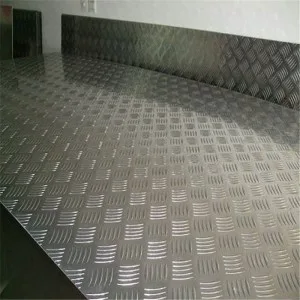
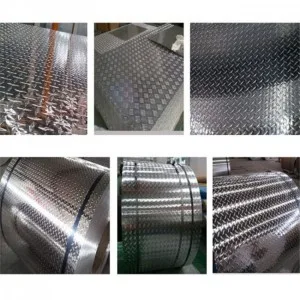
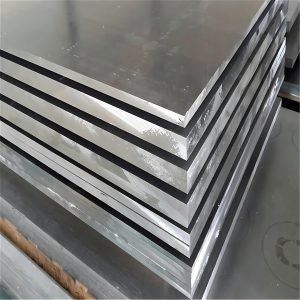
China Denver Aluminum Sheets Manufacturer, Factory & Suppliers should be evaluated by material grade, thickness range, surface condition, dimensional tolerance, packaging method, and the documents available for review. For new product line development, these points help confirm whether the sheets can match the intended design and production process.
A strong inquiry should include application details, target specifications, estimated order quantity, delivery destination, and any sample or inspection requirements. This allows the supplier to respond with more relevant product options instead of a general catalog.
Begin by listing the function of the aluminum sheets in your product line. Note whether the project requires bending, forming, machining, coating, visual surface quality, or specific strength expectations. These details help the supplier judge application fit and reduce back-and-forth during the first quotation stage.
For quality review, ask what inspection points are normally checked before shipment. Common discussion items include thickness, width, length, flatness, surface marks, edge condition, coating or finish consistency, and packaging protection. If your internal team needs documentation, state whether you require material certificates, inspection reports, photos, or sample approval records.
When preparing an RFQ, provide drawings, reference samples, grade requirements, tolerance needs, order quantity range, destination port or address, and expected project timeline. If the design is still under development, explain which details are fixed and which can be adjusted based on supplier feedback.
Compare supplier responses by how clearly they address your specifications and quality questions. A useful response should confirm what can be supplied, identify any uncertain points, and suggest the next step for samples, custom sizing, packaging review, or bulk order planning.