

0.5-10mm Pad Printing aluminum sheet and cliches
A Pad Printing aluminum sheet or aluminum cliches is a plate or pad that is made from aluminum and has the desired image or design etched or engraved onto its surface. The…
Read MoreGauge And Actual Thickness Of Sheet Aluminum Sourcing in China: Manufacturer, suppliers and factory | SUZHOU TOP METAL MATERIALS CO.,LIMITED
Use this page to evaluate China Gauge And Actual Thickness Of Sheet Aluminum Manufacturer, Factory & Suppliers from the perspective of supplier shortlist review. It brings together related products, practical selection checks, and buyer questions so your inquiry can be more specific from the beginning.
For a import distributor, the most useful starting point is packing method and export handling. Review the product matches, comparison notes, FAQs, and recent buyer-style feedback before sending final requirements.
A Pad Printing aluminum sheet or aluminum cliches is a plate or pad that is made from aluminum and has the desired image or design etched or engraved onto its surface. The…
Read More
China brushed anodized aluminum sheet copper color anodising black aluminium plate Anodized aluminum sheet is a sheet metal product consisting of aluminum sheeting exposed to an electrolytic passivati…
Read More
Deep Drawing Aluminum Sheet Circle 1050 1060 Aluminum Plate ASTM B209 Approved Deep drawing 1050 1060 ASTM B209 cookware use aluminium sheet circle Aluminum circle, as aluminum disc, is normally with …
Read More
Mill Finish Aluminum Sheet Circle 1060 1070 1100 3003 Aluminum Plate For Cookware Aluminum circle 1050 1060 1070 3003 etc is mainly used in making cookware, like non-stick pan, pressure cooker, hardwa…
Read More
3003 Aluminum Sheet Features ♦ Alloy: 3003 ♦ Temper: H14, H16, H18, H22, H24, H26, O ♦ Thickness(mm):0.25-10 ♦ Width(mm):800-2200 ♦ This series aluminum sheet is anticorrosive and its production techn…
Read More
Quality 1050 3003 5083 6061 7075 deep-drawing stamped Aluminium alloy Plate China Aluminum Flat mould Sheet manufacturer Product:Aluminum Sheet and Plate (CC) Alloy/Temper:1***/3***/8***(1100 / 1050 /…
Read MoreProduct Guide
The related product list helps you compare China Gauge And Actual Thickness Of Sheet Aluminum Manufacturer, Factory & Suppliers by actual product direction rather than keyword wording alone. Check whether each product supports supplier shortlist review, then use the table below to prepare a clearer RFQ.
| Criterion | What To Check | Why It Matters | Buyer Tip |
|---|---|---|---|
| Gauge-to-mm table | Ask for actual thickness range | Avoid RFQ mismatch | Attach target tolerance |
| Export packing plan | Confirm pallet, film, edge guard | Reduces transit damage | Request packing photos |
| Custom size options | List width, length, alloy, temper | Speeds shortlist review | Use one spec sheet |
| Bulk order readiness | Verify MOQ and coil/sheet prep | Supports import planning | Ask loading method |
| Sample confirmation | Compare sample thickness and surface | Limits order risk | Approve before mass order |
China Gauge And Actual Thickness Of Sheet Aluminum Manufacturer, Factory & Suppliers should be evaluated by actual thickness range, alloy or material requirements, surface finish, order quantity, and export packing details. Gauge alone is not enough for accurate sourcing because standards and tolerances may vary by product type.
For a shortlist review, send the supplier your required thickness, size, destination port, packing preference, sample needs, and expected lead time. This helps confirm whether the product can match your project and whether the quotation is complete.
Start by confirming how the sheet aluminum will be used and whether the buyer requires gauge reference, actual millimeter thickness, or both. For import distribution, this reduces confusion when comparing offers from different suppliers and helps avoid mismatched specifications.
When preparing an RFQ, include alloy grade if known, thickness, width, length, surface condition, order quantity, destination, and any cutting or customization requests. If you are still comparing options, ask the supplier to recommend suitable products based on the application and market requirements.
Packaging should be discussed before price comparison is finalized. Ask about pallet type, moisture protection, edge protection, labeling, bundle weight, container loading, and whether the packing method is suitable for export handling and local distribution after arrival.
For buyer risk reduction, request sample confirmation when possible and clarify lead time for samples, production, inspection, and shipment. Compare supplier replies by how clearly they answer technical, packing, and delivery questions, not only by the unit price.
| Criteria | Importance | Description | Example Options |
|---|---|---|---|
| Thickness reference | High | Links gauge to actual mm/inch value | 16 gauge, actual tolerance |
| Packing method | High | Protects sheets during export handling | Pallet, film, edge guard |
| Quotation inputs | High | Improves RFQ accuracy | Alloy, temper, size, quantity |
| Sample confirmation | Medium | Reduces specification mismatch risk | Check thickness and surface |
| Product format | Medium | Matches distributor resale model | Sheet vs coil |
Recommended Products
Top product matches should be reviewed by fit, specification clarity, customization readiness, and how well they support customization planning. Use these factors to shortlist practical options before contacting the supplier.







How to compare 5052, 5083, 6061 and 7075 aluminum

When anodized sheet is better than mill finish aluminum
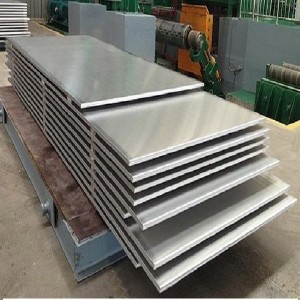
High-strength aluminum plate for aerospace and tooling work
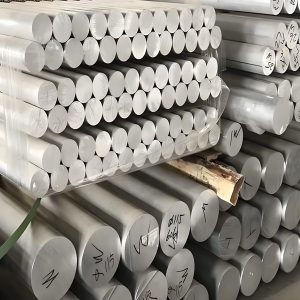
6061-T6 aluminum bar for CNC and structural parts
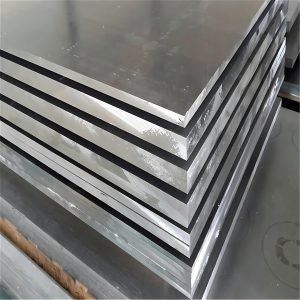
T6 vs T651 vs H116: what the suffix changes
These review notes reflect common buyer situations such as planning a custom project, checking product specifications, comparing supplier options, and preparing an RFQ.
I used the gauge-to-inch notes to align our drawing callouts with actual sheet aluminum thickness before sending a technical inquiry.
The page helped me separate nominal gauge language from actual sheet aluminum thickness, which made our internal specification review less confusing.
I referred to the gauge and actual thickness comparison while drafting our RFQ so the aluminum sheet requirement was stated more precisely.
This gave me a practical way to question whether a listed aluminum gauge matched the actual sheet thickness needed for our panel design.
Prepare alloy grade, temper, required gauge, actual thickness tolerance, sheet size, quantity, surface requirement, packing preference, destination port, and application notes. This helps the supplier review feasibility and quote consistently.
Ask for a specification sheet showing nominal gauge, actual thickness range, alloy, temper, and measuring method. For custom projects, sample confirmation or pre-production reference data can reduce mismatch risk before mass purchasing.
Important details include moisture protection, interleaving material, pallet type, edge protection, bundle weight, labeling, and container loading requirements. Clear packing instructions help protect flatness, surface condition, and identification during international handling.
Ask how lead time is affected by alloy selection, thickness tolerance, sheet size, surface finish, packing method, and order volume. Avoid assuming availability; request confirmation based on the exact specification and customization scope.
Sheet aluminum is easier for resale by fixed size and inspection, while coil may suit buyers with cutting or processing capability. Compare handling, storage, conversion needs, packing method, and customer order patterns.
Check actual thickness, gauge reference, surface appearance, flatness, edge condition, alloy and temper marking, protective packing, and measurement report if provided. Record approved sample details for later comparison with bulk shipment specifications.
Send your thickness requirement, size, quantity, destination, packing request, and sample needs so the supplier can provide a more accurate reply.