
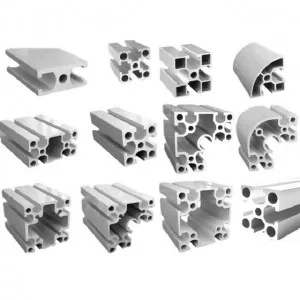
Extrusion alumium profiles
Aluminum profiles are products born from aluminum alloys bar that are transformed into shaped objects through the extrusion process. Extrusion alumium profiles are used in…
Read MoreMoss Aluminum Profiles RFQ Guide for Export Orders | SUZHOU TOP METAL MATERIALS CO.,LIMITED
Use this page to evaluate Moss Aluminum Profiles from the perspective of export order preparation. It brings together related products, practical selection checks, and buyer questions so your inquiry can be more specific from the beginning.
For a factory purchasing team, the most useful starting point is installation, usage, and after-sales questions. Review the product matches, comparison notes, FAQs, and recent buyer-style feedback before sending final requirements.
Aluminum profiles are products born from aluminum alloys bar that are transformed into shaped objects through the extrusion process. Extrusion alumium profiles are used in…
Read More
1050 aluminum strip coil are often used in daily necessities, lighting fixtures, reflectors, decorations, chemical industry containers, heat sinks, signs, electronics, lamps, nameplates, electrical ap…
Read More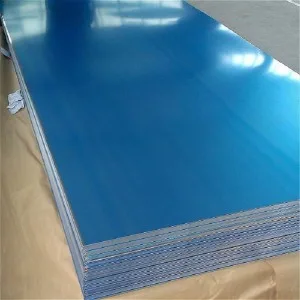
Aluminium 1080A, with the European designation EN AW-1080A is a ‘commercially pure’ alloy, minimum 99.8% Al, available as round bar or wire For the 1080 industrial pure aluminum, with high plast…
Read More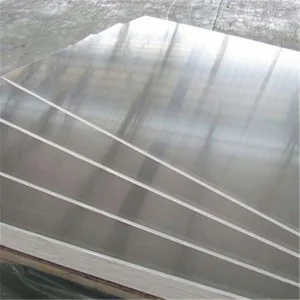
The pattern aluminum plate is also a kind of metal material, and it needs to be protected by scientific methods in daily operation. At the top of the list, regular cleaning, the stains on the exterior…
Read More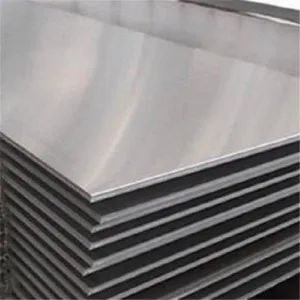
There are different types of aluminum sheet metal, aluminum sheet grades means each type of cast aluminum plate has its special superior advantages. our main aluminum products including 1000 series al…
Read More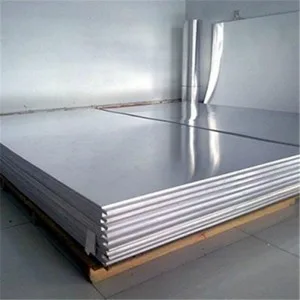
Aluminum plate price usually depends on the international aluminium alloy price and the production cost. The customers can search aluminium alloy price on the Internet and now the most authoritative p…
Read MoreProduct Guide for RFQ Preparation
The related product list helps you compare Moss Aluminum Profiles by actual product direction rather than keyword wording alone. Check whether each product supports export order preparation, then use the table below to prepare a clearer RFQ.
| Criterion | What To Check | Why It Matters | Buyer Tip |
|---|---|---|---|
| Application fit | Match profile series, slot, and load use | Avoids wrong assembly parts in RFQ | Send drawing or use photo |
| Order specs | Confirm length, alloy, finish, and tolerance | Prevents quotation gaps | List must-have specs clearly |
| Sample review | Request sample size and inspection points | Supports approval before bulk order | Compare with installed parts |
| Export packing | Define bundle, film, carton, or pallet needs | Reduces transit handling risks | State destination and unloading method |
| After-sales questions | Ask about replacement, cutting, and accessory support | Helps factory plan long-term use | Include expected reorder plan |
Moss Aluminum Profiles are best sourced by matching the profile type, finish, size, and application requirements to your actual production or installation scenario.
For a useful supplier reply, include quantity, destination, drawings or sample references, packaging expectations, and any questions about lead time, after-sales support, or related product alternatives.
Begin with the application. Explain where the profiles will be installed, how they will be used, and whether appearance, strength, surface treatment, or assembly compatibility is the main concern.
Prepare your quotation details before sending the RFQ. Include target quantity, delivery destination, preferred packaging, required documents, and whether the order is for sample confirmation, trial production, or a bulk export shipment.
If drawings or samples are available, attach them early. If not, provide dimensions, photos, usage notes, and any comparison products you are currently reviewing so the supplier can suggest a practical match.
When reviewing replies, compare more than price. Check whether the supplier answers installation, usage, packaging, lead-time, and after-sales questions clearly, and whether the proposed product matches your application instead of only the keyword.
| Criteria | Importance | Description | Example Options |
|---|---|---|---|
| Profile design | High | Matches assembly and load needs | Slot, groove, wall thickness |
| Surface finish | High | Affects appearance and usage environment | Anodized or powder coated |
| Sample confirmation | Medium | Reduces specification misunderstandings | Check fit before bulk order |
| Packaging method | Medium | Protects profiles during export handling | Wrapped bundles on pallets |
| RFQ completeness | High | Improves technical quotation clarity | Drawings, quantity, finish |
Recommended Products
Top product matches should be reviewed by fit, specification clarity, customization readiness, and how well they support RFQ preparation. Use these factors to shortlist practical options before contacting the supplier.







Buyers should send the required alloy, temper, thickness, sheet size, hole shape, hole size, pitch, pattern orientation, open area, blank margins, tolerances, finish, flatness, burr direction, drawing…

Is Your Aluminum Bar Causing CNC Turning Runout? Aluminum bar may contribute to CNC turning runout when it is bent, out of round, inconsistent in diameter, damaged near the clamping area, or deformed …

Aluminum sheet flatness should be specified before purchase, especially when the material will be laser cut, punched, bent, machined, laminated, or used as a visible panel. This matters to sheet-metal…

How to compare 5052, 5083, 6061 and 7075 aluminum
Review recent buyer-style notes to see how other teams organize sample questions, confirm application details, and compare related products before placing an order.
I used the Moss Aluminum Profiles page to frame my internal shortlist and separate appearance requirements from fit and assembly questions.
I found the Moss Aluminum Profiles content helpful for turning a vague request into specific questions about surface finish, section shape, and intended use.
I shared the Moss Aluminum Profiles page with our project team because it helped us align on profile style before contacting suppliers.
I referenced this Moss Aluminum Profiles tag page while drafting an RFQ, especially to clarify application details and avoid an overly broad message.
Include profile drawings or section dimensions, alloy and temper expectations, surface finish, length tolerance, application environment, estimated quantity, packing needs, and destination details. This helps suppliers review feasibility and respond with clearer technical questions.
Share the assembly method, load direction, connection hardware, slot or groove requirements, and any visible-surface needs. Application photos or existing sample measurements help compare profile geometry before confirming production specifications.
Check cross-section dimensions, wall thickness, surface appearance, fit with accessories, cutting accuracy, and protective film or wrapping method if required. Record any deviations clearly so the final order documents can be updated.
Discuss bundle weight limits, surface protection, end protection, moisture precautions, labeling language, pallet or crate preference, and unloading method. Packaging should match handling conditions and protect visible surfaces during international transport.
Ask suppliers to separate tooling review, sample confirmation, production scheduling, surface treatment, packing, and export document preparation. This avoids relying on one general timeline and helps the purchasing team plan internal approvals.
Compare standard industrial aluminum profiles, custom extrusions, machined aluminum profiles, and surface-treated profiles. The right choice depends on structure, appearance, assembly method, processing needs, and whether an existing design can be adapted.
Send your inquiry with quantity, destination, drawings or sample references, packaging needs, and lead-time questions so the supplier can respond with more accurate information.