
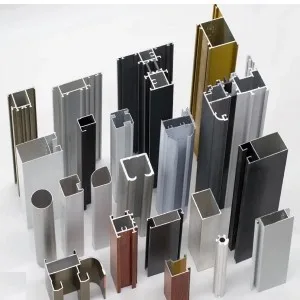
Anodized industrial aluminum profile extrusion
Anodized aluminum profiles extrusion can be seen in architectural and construction projects, in electronic and automotive industry, as well as in telecommunication and solar…
Read MoreProfile En Aluminum Selection Guide | SUZHOU TOP METAL MATERIALS CO.,LIMITED
An aluminum profile for a machine frame, enclosure or mounting rail has to fit the parts around it as well as carry the intended load. The key decision is whether an existing cross-section meets your assembly needs or the design calls for a custom extrusion.
Anodized aluminum profiles extrusion can be seen in architectural and construction projects, in electronic and automotive industry, as well as in telecommunication and solar…
Read More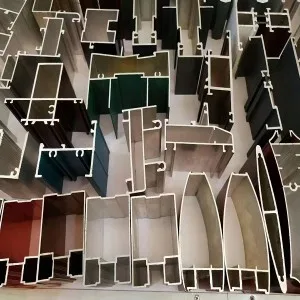
Extruded aluminum profiles (aluminum extrusion profile ) is used for a wide range of purposes, including components of the International Space Station, windows frame and automotives, building facades,…
Read More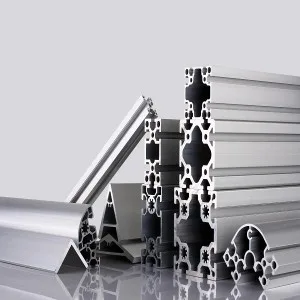
Aluminum profile refers to a long, narrow piece of aluminum that is used in construction and manufacturing. It is often used to create frames, rails, and other structural…
Read More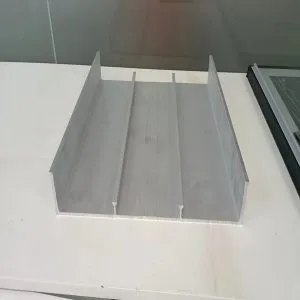
6061 aluminum formwork profiles are a common choice in modern construction projects due to their durability, versatility, and environmental benefits.
Read More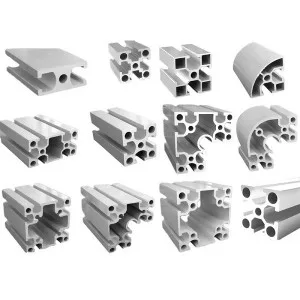
Custom Aluminium profile is widely used in construction, machinery, industry, etc. Aluminium profiles are a great way to add both style and function to your home.
Read More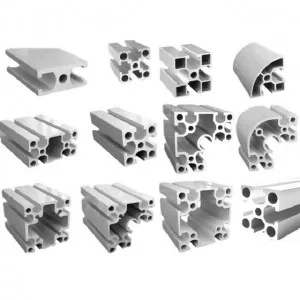
Aluminum profiles are products born from aluminum alloys bar that are transformed into shaped objects through the extrusion process. Extrusion alumium profiles are used in…
Read MoreProfile selection
Compare aluminum profiles by cross-section, alloy and temper, connection details, dimensional tolerances and finish. Give extra attention to the features that locate or fasten the profile in the assembly.
| Criterion | What To Check | Why It Matters | Buyer Tip |
|---|---|---|---|
| Cross-section and fit | Compare a dimensioned drawing with the mating parts, including slots, wall thickness and critical tolerances. | A profile can have the right overall size but still fail to accept a fastener or fit an assembly. | Which dimensions must be held for your connection points? |
| Alloy and temper | Specify the required alloy and temper, or describe the load and forming the profile must handle. | Strength and formability affect which profile suits the application. | Will the profile carry a load, need bending, or mainly serve as trim? |
| Surface finish | Agree on the finish, visible faces and acceptable appearance using a sample if appearance matters. | An exposed architectural profile needs a different finish decision from a concealed frame member. | Which faces will remain visible after installation? |
| Cut lengths and end details | Provide finished lengths and drawings for any holes, mitres or machined ends. | End details determine how the profile joins other parts and whether it arrives ready to assemble. | Do you need cut lengths only, or finished ends ready for your assembly? |
A standard profile can simplify a design when its slots, fastening options and dimensions suit the assembly. A custom cross-section gives you more control over features such as channels, wall thickness and mating surfaces, but it requires a design review and tooling discussion. Check the complete assembly before choosing either route: a profile that looks suitable in section may still need additional machining or connectors to work in place.
Start with the profile’s job. A frame member, trim piece and heat-dissipating housing place different demands on stiffness, weight and exposed surface area. Specify the alloy and temper against the load and operating environment rather than choosing them by name alone.
Check the cross-section at its connection points. Slot shape, hole positions, wall thickness and straightness affect how the profile mates with panels, fasteners and adjoining lengths. Mark critical dimensions on a drawing so ordinary dimensional variation is not confused with a fit problem.
Decide which work belongs on the finished part. Cutting, drilling and surface finishing can change fit or appearance; a finish can also affect tight mating areas. State which surfaces are visible and which dimensions must hold after finishing.
Send the drawing, intended use and required finish to SUZHOU TOP METAL MATERIALS CO.,LIMITED. Ask whether the requested section, alloy and secondary work can be supplied, and confirm the proposed tolerances before approving a sample or production order.
| Criteria | Importance | Description | Example Options |
|---|---|---|---|
| Structural demand | Critical for load-bearing members | Compare section geometry and joint design against the load, span and acceptable deflection. | A long frame rail may need a different section or added support from a short enclosure edge. |
| Assembly interface | Critical where components must mate | Check grooves, mounting faces and connector compatibility as a system rather than by outside dimensions alone. | A panel groove must fit the intended panel and retain it in the assembled enclosure. |
| Material choice | Depends on the operating conditions | Select alloy and temper for the required strength, forming needs and environment; the profile shape alone does not establish suitability. | A decorative trim piece and a loaded frame member may call for different material choices. |
| Finished-part dimensions | High for close-fitting parts | Identify dimensions that must hold after cutting, machining and surface finishing. | A machined mounting hole may need its location checked relative to the finished end. |
Related Options
For a machine enclosure, panel fit and repeatable joints may matter more than the profile’s appearance alone. Check the panel groove, fastening method and finished dimensions together before settling on a section.
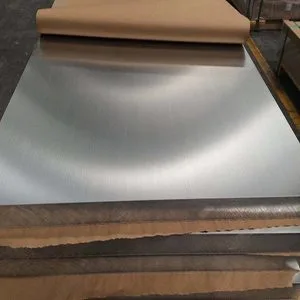





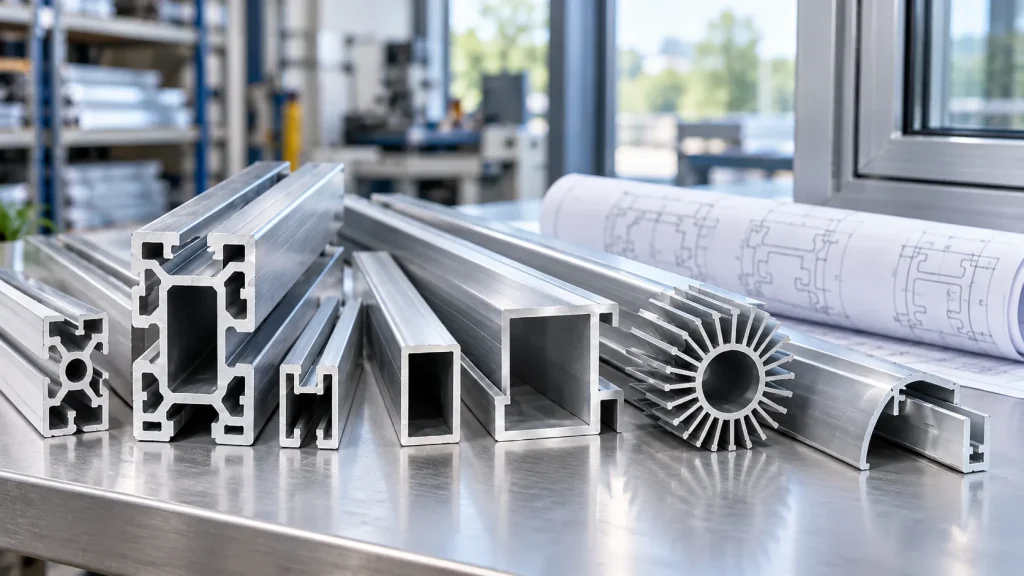
An aluminum profile is an aluminum or aluminum-alloy product with a defined cross-sectional shape that continues along its length. In construction and industrial supply, the term commonly refers to an…

When sourcing from an aluminum coil manufacturer in China, B2B buyers need more than a product name or a basic quotation request. A reliable procurement specification should connect the aluminum coil …

When buyers search for a reflective aluminum sheet manufacturer, the key challenge is usually not finding a supplier website. The more important question is whether the supplier can provide a product …

3003 alloy aluminum coil is an Al-Mn, non-heat-treatable material used where formability and corrosion resistance matter. But a B2B buyer cannot build a reliable quotation around the words “3003…

A request for 6061 0 aluminum sheet is a temper-specific purchasing question, not simply a request for generic 6061 sheet. That distinction matters when a buyer compares supplier quotations. TOP METAL…

5052 aluminum sheet and plate are flat-rolled aluminum-magnesium products considered for parts that need formability, corrosion resistance and moderate strength. Choosing the material means specifying…
It can be suitable, but the answer depends on the span, load, joint design and allowable deflection—not just the profile’s outside dimensions. Check the assembled frame, including its connectors and supports, against the application’s requirements.
A profile is useful when the same cross-section runs along the part, especially if it needs continuous grooves or mounting features. Bent sheet may be more practical for broad panels or shapes that change along their length.
No. Slot and hole geometry vary, and a fastener that fits one section may not engage another securely. Identify the connector and check its fit against the cross-section before ordering.
No. Surface finishing can affect close-fitting features, so identify bores, grooves and contact faces that must fit after finishing. Agree on how those dimensions will be checked on the finished part.
Send a drawing that shows the cross-section, cut length, hole locations and their reference edges. State the required quantities and ask which cutting, machining and inspection steps can be supplied.
Share a cross-section drawing or required dimensions, the profile’s application and the finish you need. Ask which options are available for your design.