Aluminum Profiles | SUZHOU TOP METAL MATERIALS CO.,LIMITED

Aluminum Profiles for Frames and Enclosures

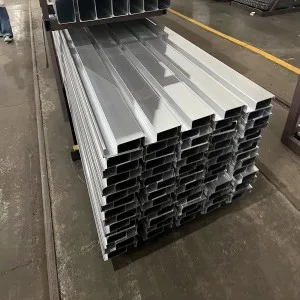
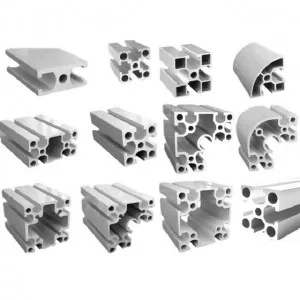
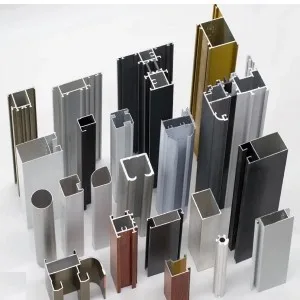
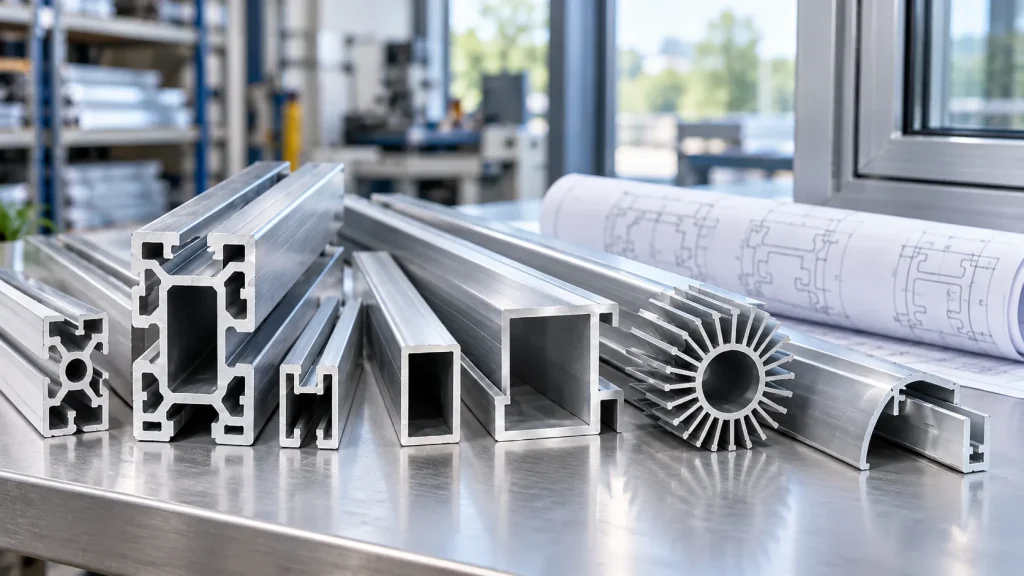
Aluminum profiles give a frame, rail or enclosure its shape before it reaches assembly. The first decision is whether a standard cross-section fits the design or the application needs a custom extrusion with features such as mounting channels or an enclosed cavity.

Related Products

6061 6063 Aluminum profiles

6061 6063 Aluminum profiles

RAYIWELL MFG is a leading supplier and Manufacturer of 6061 6063 aluminum profiles, Aluminium Extrusion Sections, T Slot Aluminum Profiles, Industrial Aluminium Profiles, T-Slot Aluminium Profiles, Al…

Read More
Extrusion alumium profiles

Extrusion alumium profiles

Aluminum profiles are products born from aluminum alloys bar that are transformed into shaped objects through the extrusion process. Extrusion alumium profiles are used in…

Read More
Aluminium Extrusion profiles

Aluminium Extrusion profiles

An aluminum profile or aluminium extrusion profiles, also called aluminum frame, is made from the extrusion process by pushing aluminum billets through a metal die to get the standard or custom shapes…

Read More
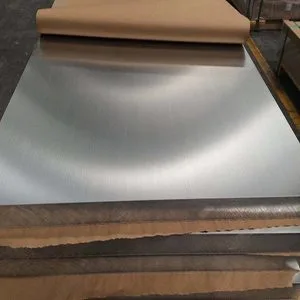
6063 Aluminum Plate

6063 Aluminum Plate

6063 aluminum plates are widely used in construction profiles, irrigation pipes, automated machinery parts, precision machining, mold manufacturing, electronics and precision instruments, etc. In addi…

Read More

Match the profile to the assembly

Profile selection

Compare profiles by cross-section, alloy and temper, critical tolerances, available finish and the cutting or machining the assembly requires. Those details are more useful than matching the outer shape alone.

Criterion What To Check Why It Matters Buyer Tip
Cross-section and fit Compare a dimensioned drawing with the mating parts, including slots, channels and wall thickness. Small differences can prevent fasteners or inserts from fitting. Which dimensions are critical to assembly, and what tolerances do they need?
Alloy and temper Specify the alloy and temper against the profile’s load, forming and machining needs. A profile with the right shape can still be too soft, too stiff or unsuitable for later fabrication. Will the profile be bent, machined or used to carry a structural load?
Surface finish Compare the required appearance and corrosion exposure with the proposed finish; agree on an acceptable sample if appearance matters. A decorative exposed frame and a concealed support do not need the same surface treatment. Which faces will remain visible after assembly?
Cutting and secondary work Mark cut lengths, hole locations and any tapped or milled features on the drawing. Machining after extrusion affects fit, handling and the work left for your assembly team. Do you need finished parts or full-length profiles for in-house fabrication?
Length and straightness State the usable length and straightness needed for installation, especially for long runs or tight-fitting assemblies. A profile can meet its cross-section dimensions yet be difficult to install if it bows or twists. What length must fit without forcing the profile into position?

Decide the shape, fit and finish

A profile’s outside dimensions do not tell the whole story. Wall thickness, internal features and straightness can determine whether a bracket fits, a fastener seats properly or a long length aligns during assembly. A profile that looks interchangeable in a drawing may require different tooling or joining methods.

Start with the assembly. Mark the surfaces that locate against other parts, the holes or channels used for fastening, and any clearance that cannot change. Give critical dimensions their own tolerances instead of applying a tight tolerance to the entire cross-section.

Choose alloy and temper for the required balance of strength, formability and appearance. If the profile will be bent or machined after extrusion, say so early: a choice that suits a straight structural member may complicate later fabrication.

Consider the exposed environment and finish together. Anodizing, coating and an unfinished surface have different appearance and handling implications. State which faces will be visible and whether color consistency matters across adjoining lengths.

For a custom shape, ask how the proposed cross-section affects tooling, minimum order quantity and production lead time before freezing the design. Send a dimensioned drawing or sample to SUZHOU TOP METAL MATERIALS CO.,LIMITED and confirm the required length, finish and any post-extrusion work.

Criteria Importance Description Example Options
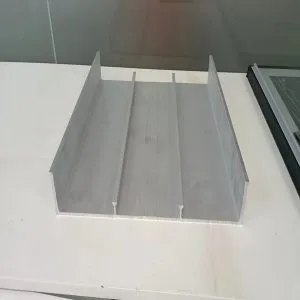
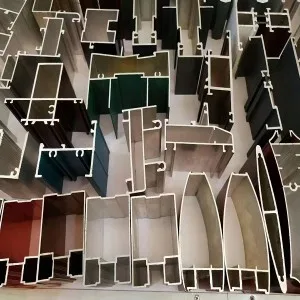
Standard versus custom cross-section Often determines whether the design can avoid new tooling. Compare an available shape against the features the assembly actually needs; a custom shape offers more control but adds a tooling decision. A simple frame may accept a standard channel, while a frame with an integral panel groove may need a different section.
Section shape under load Important for long spans and members carrying attached parts. Consider stiffness in the load direction, support points and joint behavior, not just overall dimensions or weight. A rail supporting a panel along its length presents a different load case from a short corner connector.
Joining method Critical when the profile must assemble repeatably with other parts. Check access for fasteners and the geometry of corner joints or inserts before settling on a section. A closed cavity may limit access to a fastener that is easy to install in an open channel.
Delivered condition Matters when pieces go directly into assembly or have visible surfaces. Compare stock lengths with cut and fabricated pieces, and define any finish and cut-end requirements. A visible enclosure edge may need a specified cut-end appearance; a concealed internal rail may not.

Product Selection

Related Options

For an enclosure frame, prioritize the fit of panel channels and corner joints before choosing a finish. A clean-looking extrusion will still cause assembly problems if those mating features are wrong.

Blog Articles / Reviews

6061 0 Aluminum Sheet: What Should Buyers Verify?

6061 0 Aluminum Sheet: What Should Buyers Verify?

A request for 6061 0 aluminum sheet is a temper-specific purchasing question, not simply a request for generic 6061 sheet. That distinction matters when a buyer compares supplier quotations. TOP METAL…

What Is an Aluminum Profile?

What Is an Aluminum Profile?

An aluminum profile is an aluminum or aluminum-alloy product with a defined cross-sectional shape that continues along its length. In construction and industrial supply, the term commonly refers to an…

Frequently Asked Questions

Is an aluminum profile suitable for a machine guard or enclosure?

It can be, provided the frame and its joints suit the loads and panels involved. Check the complete assembly, including how it attaches to the machine; the profile shape alone does not establish suitability.

When would a bent sheet be better than an extruded profile?

Bent sheet can suit a broad panel or a simple channel, especially if the design does not need continuous grooves or internal cavities. An extrusion is worth considering when the same detailed cross-section runs along the full length.

Is a heavier profile always stiffer?

No. Where the material sits in the cross-section and how the member is supported also affect stiffness. Compare candidate shapes in the intended orientation rather than using weight alone as a shortcut.

Can anodizing make up for a poor fit?

No. Anodizing changes the surface, not the underlying shape or alignment of a profile. Check mating features and cut ends before treating finish as the final design decision.

What should I confirm before ordering cut-to-length pieces?

Confirm the length tolerance, how length is measured, the required cut-end condition and whether any holes or machining must be completed before delivery. If appearance matters, identify which surfaces and ends will remain visible.

Leave Your Message

Send your cross-section drawing or sample, the required cut length and finish, and any critical mating dimensions. Ask which profile options can meet those requirements.