
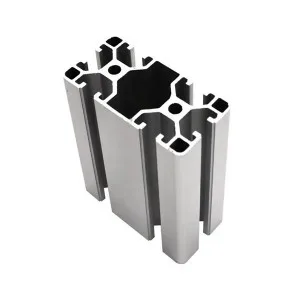
Custom industrial aluminium extrusion profiles
Industrial aluminium extrusion profiles are widely used and highly versatile. It is famous for its environmental protection, convenient assembly and disassembly, time saving…
Read MoreWhat Is an Industrial Aluminum Profile Frame? China Factory, Manufacturer and Supplier Guide | SUZHOU TOP METAL MATERIALS CO.,LIMITED
For OEM project planning, understanding an industrial aluminum profile frame starts with matching structure, size, finish, and assembly needs to the final equipment or workspace. This page helps procurement teams review China What Is An Industrial Aluminum Profile Frame Manufacturer, Factory & Suppliers with a clearer application focus.
Use it to build a practical shortlist before requesting quotes. Compare customization options, sample approval steps, packaging expectations, and related product choices so your supplier discussion starts with complete project information.
Industrial aluminium extrusion profiles are widely used and highly versatile. It is famous for its environmental protection, convenient assembly and disassembly, time saving…
Read More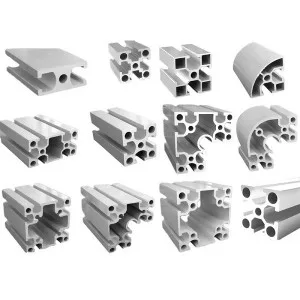
Custom Aluminium profile is widely used in construction, machinery, industry, etc. Aluminium profiles are a great way to add both style and function to your home.
Read More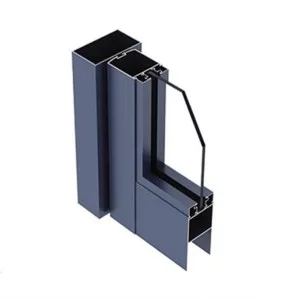
Aluminium extrusion profile for doors and windows is a kind of door and window frame decoration building material made of aluminum alloy as raw material. Its advantages are…
Read More
What is the role of color-coated aluminum sheet? Because of its good rectification, corrosion resistance, decoration, and mechanical properties, it is favored by the market and is widely used in archi…
Read More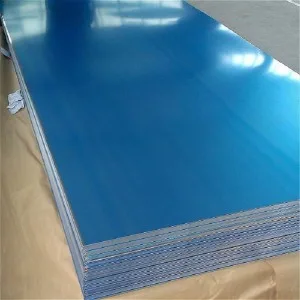
Aluminium 1080A, with the European designation EN AW-1080A is a ‘commercially pure’ alloy, minimum 99.8% Al, available as round bar or wire For the 1080 industrial pure aluminum, with high plast…
Read More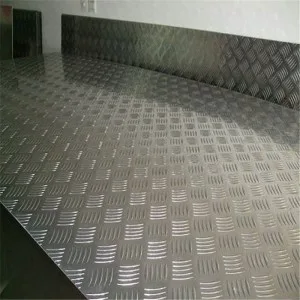
Series 1000 aluminum alloy is also known as “industrial pure aluminum”, which has the most wide uses in many territories, such as industry, architecture, decorative building, marine, aircraft, etc. Th…
Read MoreProduct Guide
The related product list helps you compare China What Is An Industrial Aluminum Profile Frame Manufacturer, Factory & Suppliers by actual product direction rather than keyword wording alone. Check whether each product supports OEM project planning, then use the table below to prepare a clearer RFQ.
| Criterion | What To Check | Why It Matters | Buyer Tip |
|---|---|---|---|
| Application fit | Match frame load, size, and use environment | Avoids redesign during OEM planning | Share drawings and duty conditions |
| Customization scope | Confirm profile series, cutting, drilling, tapping | Defines whether supplier can meet BOM needs | List required machining in RFQ |
| Sample approval | Request sample frame or cut profile section | Verifies tolerance, finish, and assembly | Approve before bulk order |
| Quotation details | Ask for profile grade, finish, accessories, packing | Prevents unclear price comparison | Use one RFQ template |
| Export readiness | Review packaging, labels, documents, lead time | Supports smoother OEM import planning | Confirm carton or pallet specs |
An industrial aluminum profile frame is a modular frame structure made from extruded aluminum profiles, often used for machine guards, workstations, equipment bases, display structures, and OEM assemblies. It is selected for flexible sizing, clean assembly, and the ability to combine profiles with connectors and accessories.
When sourcing from China manufacturers, factories, and suppliers, buyers should check profile specifications, surface finish, machining options, drawing support, sample confirmation, packaging method, and lead-time communication before placing an order.
Start with the application. A frame for machine guarding, automation equipment, a workstation, or a display project may need different profile sizes, slot designs, accessories, and load considerations. Share drawings, photos, installation requirements, and any fixed dimensions so the supplier can recommend a suitable profile system.
Review customization scope before comparing prices. Ask whether the supplier can support cutting, drilling, tapping, surface treatment, connector matching, kit packing, or OEM labeling. For procurement managers, this helps separate a general profile seller from a supplier that can support project-based assembly needs.
Clarify the sample approval process early. Confirm sample quantity, machining details, finish requirements, inspection points, and how feedback will be handled before mass production. If the project has strict approval stages, include your timeline and internal review steps in the RFQ.
For quotation accuracy, provide profile type, dimensions, quantity range, destination port or address, packaging requirements, and expected order schedule. When comparing supplier replies, look for clear technical answers, realistic lead-time information, and willingness to discuss related product alternatives if the first option is not the best application match.
| Criteria | Importance | Description | Example Options |
|---|---|---|---|
| Profile specification | High | Defines strength and fit | Slot width, series, wall |
| Customization scope | High | Affects OEM matching | Cutting, drilling, tapping |
| Sample approval | High | Reduces design risk | Check against drawing |
| Packaging request | Medium | Protects surfaces in export | Labels, separators, wrapping |
| Quotation inputs | High | Improves comparison accuracy | Drawing, quantity, accessories |
Recommended Products
Top product matches should be reviewed by fit, specification clarity, customization readiness, and how well they support application matching. Use these factors to shortlist practical options before contacting the supplier.

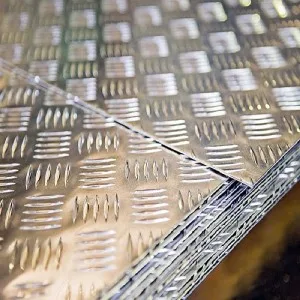




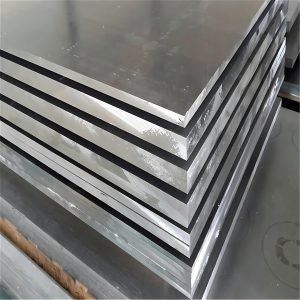
T6 vs T651 vs H116: what the suffix changes
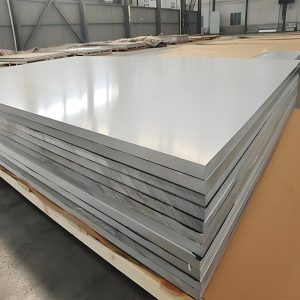
What buyers should check on marine classification certificates

Is Your Aluminum Bar Causing CNC Turning Runout? Aluminum bar may contribute to CNC turning runout when it is bent, out of round, inconsistent in diameter, damaged near the clamping area, or deformed …

Aluminum sheet flatness should be specified before purchase, especially when the material will be laser cut, punched, bent, machined, laminated, or used as a visible panel. This matters to sheet-metal…
Buyer feedback on this page reflects common sourcing situations such as checking specifications, comparing supplier options, preparing an RFQ, and reviewing export order details.
I used the tag page to clarify what an industrial aluminum profile frame means before listing slot size, connector style, and load notes in my inquiry.
As a procurement planner, I needed plain framing language, and this page helped me separate profile frame structure questions from general aluminum extrusion requests.
I bookmarked it while preparing an RFQ because it reminded me to ask how the industrial aluminum profile frame would be cut, joined, and adjusted.
The explanation gave me a cleaner way to describe our machine-guard frame need without mixing up modular aluminum profiles with finished enclosure assemblies.
Confirm profile series, slot width, wall thickness, surface treatment, load direction, connection method, and required accessories. These details help match the frame to OEM equipment layouts before drawings, samples, or RFQ documents are finalized.
Provide frame dimensions, application environment, assembly drawings if available, cutting and machining needs, connector preferences, panel or guarding requirements, and expected inspection points. Clear inputs help suppliers judge feasibility and prepare comparable quotations.
Review profile fit, machining accuracy, connector alignment, surface finish, accessory compatibility, and whether the sample matches the approved drawing. Procurement teams should document any adjustments before moving the project into order confirmation.
Discuss protection for anodized surfaces, separation of machined parts, labeling by drawing number, accessory packing, moisture protection, and outer carton or crate requirements. Packaging should support inspection, handling, and assembly at the receiving site.
Aluminum profile frames are typically chosen for modular assembly, clean appearance, and easier modification. Welded steel frames may suit high-rigidity structures. Buyers should compare load needs, assembly flexibility, surface requirements, and maintenance expectations.
Share drawings, profile specifications, quantities, machining details, surface finish, accessory list, packaging needs, and intended application. If drawings are incomplete, include photos or sketches so the supplier can identify missing technical assumptions.
Send your drawings, quantity range, packaging needs, sample requirements, and target schedule so the supplier can respond with a more accurate quotation and application recommendation.