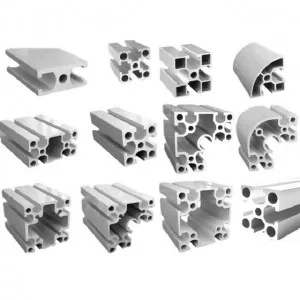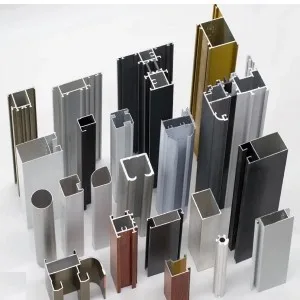
Anodized industrial aluminum profile extrusion
Anodized aluminum profiles extrusion can be seen in architectural and construction projects, in electronic and automotive industry, as well as in telecommunication and solar…
Read MoreZ Profile Aluminum Sourcing in China: Manufacturer, Factory and Supplier Quality Review | SUZHOU TOP METAL MATERIALS CO.,LIMITED
Review z profile aluminum options with a quality-first view for new product line development. This page helps product development teams compare related items, prepare RFQ details, and identify the questions that should be asked before supplier shortlisting.
For sourcing from a China Z Profile Aluminum Manufacturer, Factory & Suppliers, focus on application fit, inspection points, drawings, finish requirements, and documentation. Clear requirements help suppliers respond with more useful specifications, sample options, and quotation details.
Anodized aluminum profiles extrusion can be seen in architectural and construction projects, in electronic and automotive industry, as well as in telecommunication and solar…
Read More
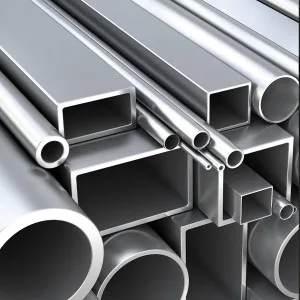
Aluminum profile refers to a long, narrow piece of aluminum that is used in construction and manufacturing. It is often used to create frames, rails, and other structural…
Read More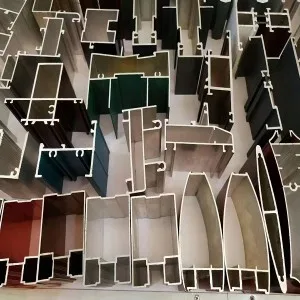
Extruded aluminum profiles (aluminum extrusion profile ) is used for a wide range of purposes, including components of the International Space Station, windows frame and automotives, building facades,…
Read More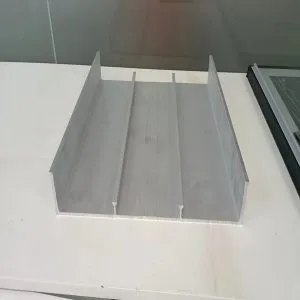
6061 aluminum formwork profiles are a common choice in modern construction projects due to their durability, versatility, and environmental benefits.
Read More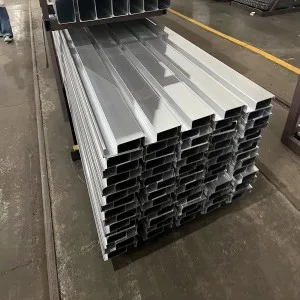
RAYIWELL MFG is a leading supplier and Manufacturer of 6061 6063 aluminum profiles, Aluminium Extrusion Sections, T Slot Aluminum Profiles, Industrial Aluminium Profiles, T-Slot Aluminium Profiles, Al…
Read More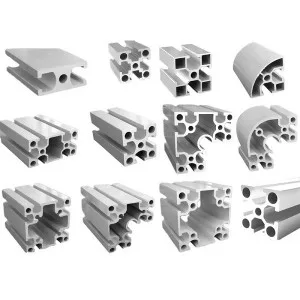
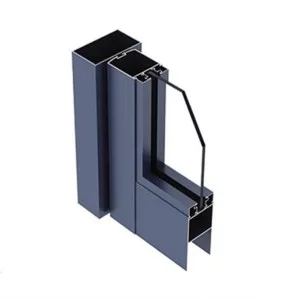
Custom Aluminium profile is widely used in construction, machinery, industry, etc. Aluminium profiles are a great way to add both style and function to your home.
Read MoreZ Profile Aluminum Product Guide
The related product list helps you compare China Z Profile Aluminum Manufacturer, Factory & Suppliers by actual product direction rather than keyword wording alone. Check whether each product supports new product line development, then use the table below to prepare a clearer RFQ.
| Criterion | What To Check | Why It Matters | Buyer Tip |
|---|---|---|---|
| Drawing tolerance | Confirm Z profile dimensions and tolerances | Prevents fit issues in new designs | Attach CAD files in RFQ |
| Surface quality | Review finish, scratches, and coating needs | Affects appearance and assembly use | Request finish samples |
| Material grade | Verify alloy, temper, and certificate needs | Supports strength and processing review | List required standards |
| Inspection documents | Ask for QC records and packing photos | Helps product team approve batches | Define document list early |
| Custom capability | Check cutting, drilling, and profile options | Reduces secondary processing work | Share trial order quantity |
A China Z Profile Aluminum Manufacturer, Factory & Suppliers should be evaluated by profile accuracy, material requirements, surface finish, tolerance control, packaging method, and ability to support custom drawings or samples. The best starting point is a clear application description.
For product development teams, the RFQ should include intended use, target dimensions, finish preference, quantity range, delivery destination, and inspection expectations. This makes supplier communication easier and helps compare quotations on more than unit price.
Begin with the role of the z profile aluminum in your product design. Note whether it is used for support, edging, mounting, framing, protection, or visual finishing. This helps confirm which dimensions, alloy options, surface treatments, and tolerance points need closer review.
Prepare technical references before requesting a quote. Useful materials include drawings, photos, sample measurements, finish samples, packaging requests, and any assembly details. If the profile is part of a new product line, explain whether the design is fixed or still under development.
Ask each supplier how quality will be checked before shipment. Practical inspection points may include dimension checks, straightness, surface appearance, coating consistency, cutting accuracy, hole position, and packaging condition. Request documentation that matches your internal approval process.
When comparing supplier replies, look for clear communication, realistic custom options, and complete RFQ responses. A supplier that asks follow-up questions about drawings, usage, tolerances, and order planning is often easier to work with during bulk order preparation and after-sales coordination.
| Criteria | Importance | Description | Example Options |
|---|---|---|---|
| Drawing review | High | Confirms geometry and tolerance needs. | 2D profile with key dimensions |
| Inspection points | High | Defines measurable quality checks. | Straightness, thickness, finish |
| Material details | High | Aligns alloy and temper expectations. | Alloy and temper noted in RFQ |
| Customization scope | Medium | Shows processing feasibility. | Cut length or surface treatment |
| Communication clarity | Medium | Improves supplier comparison. | Same RFQ sent to each supplier |
Recommended Products
Top product matches should be reviewed by fit, specification clarity, customization readiness, and how well they support quality review. Use these factors to shortlist practical options before contacting the supplier.
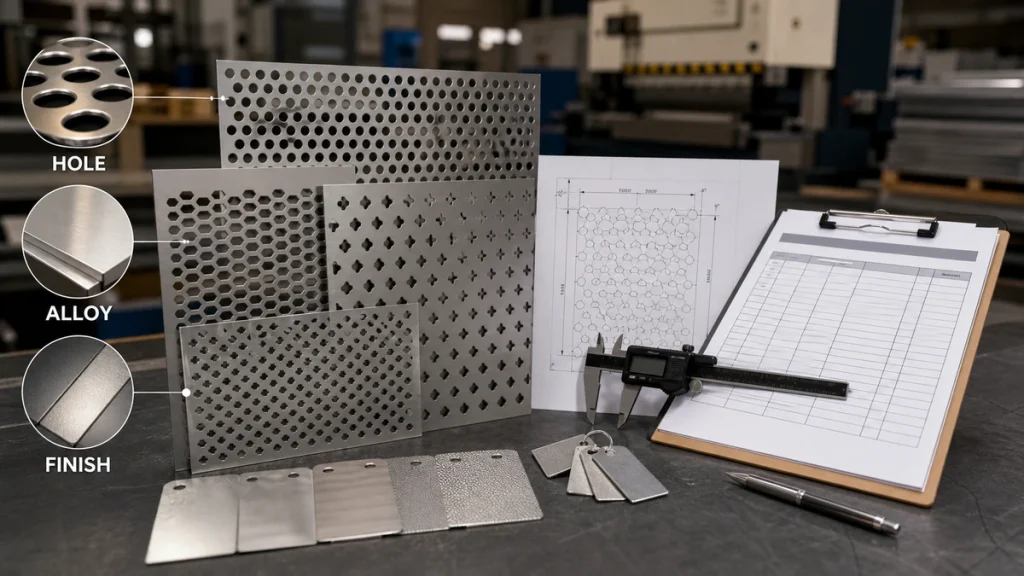
Buyers should send the required alloy, temper, thickness, sheet size, hole shape, hole size, pitch, pattern orientation, open area, blank margins, tolerances, finish, flatness, burr direction, drawing…

Is Your Aluminum Bar Causing CNC Turning Runout? Aluminum bar may contribute to CNC turning runout when it is bent, out of round, inconsistent in diameter, damaged near the clamping area, or deformed …

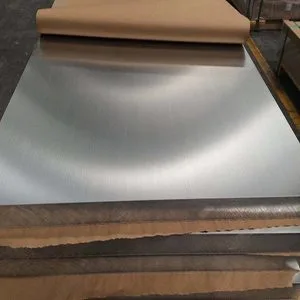
Aluminum sheet flatness should be specified before purchase, especially when the material will be laser cut, punched, bent, machined, laminated, or used as a visible panel. This matters to sheet-metal…

How to compare 5052, 5083, 6061 and 7075 aluminum
Use buyer-style feedback as a reference when shortlisting related products, planning a custom project, checking specifications, or comparing supplier options. Focus on comments that mention quality checks, communication, documentation, and application fit.
I used the z profile aluminum page to clarify leg dimensions, edge orientation, and finish questions before sending a more useful sourcing request.
I was comparing a project drawing with z profile aluminum options, and the page helped me separate profile shape concerns from general aluminum material questions.
I needed a concise way to brief suppliers on z profile aluminum requirements, especially bend direction, surface expectations, and application context.
I found the z profile aluminum tag useful when organizing fabrication notes, because it kept my questions focused on profile geometry and usable tolerances.
Ask for dimensional inspection points, alloy and temper confirmation, surface finish review, straightness checks, and packaging inspection details. These items help teams compare z profile aluminum options during early product line evaluation.
Share drawings, load expectations, assembly method, surface requirements, and operating environment. A supplier can review whether the z profile aluminum geometry, thickness, finish, and tolerance approach match the intended product design.
Prepare 2D or 3D drawings, target alloy, temper, finish, tolerance notes, quantity range, packing preference, and inspection expectations. Clear RFQ details reduce repeated clarification and support more accurate supplier feedback.
Common discussion points include profile dimensions, wall thickness, alloy selection, surface treatment, hole processing, cutting length, and packing method. Custom feasibility should be confirmed against tooling, processing, and inspection requirements.
Use a consistent question list covering specifications, inspection method, drawing review, finish requirements, tolerances, and documentation. Consistent communication helps product development teams compare supplier responses without relying on incomplete assumptions.
Clarify how nonconformance feedback, documentation review, replacement discussions, and technical questions are handled after shipment. These points help teams plan internal quality review steps and manage product line launch risk.
Send your RFQ with drawings, dimensions, finish requirements, quantity range, destination, and inspection needs. Clear project details help the supplier respond with more accurate product options and quotation information.