0.050-Inch Aluminum Sheet | SUZHOU TOP METAL MATERIALS CO.,LIMITED

Choosing 0.050-Inch Aluminum Sheet

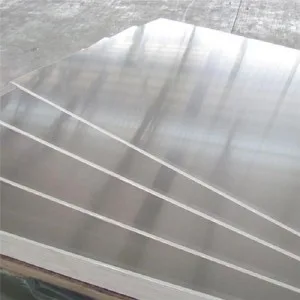
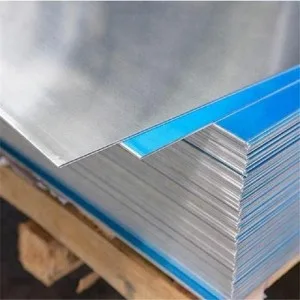
For an enclosure, panel or formed cover, “050 aluminum sheet” usually means sheet with a nominal thickness of 0.050 inch, or 1.27 mm. Thickness alone does not determine how the sheet will bend, hold its shape or resist corrosion. The alloy and temper need to suit the part.

Related Products

1050 1060 1100 Aluminum Sheet coils

1050 1060 1100 Aluminum Sheet coils

1050 aluminum sheet are widely used in general industry, scientific experiment, chemical industry and other territories. The specific application is as follows: daily necessities, lighting fixture, la…

Read More

Match 0.050-inch sheet to the part

Material selection

Compare 0.050-inch sheet by alloy, temper, dimensional requirements and surface condition—not thickness alone. The right combination depends on whether the sheet will be formed, left flat or finished for appearance.

Criterion What To Check Why It Matters Buyer Tip
Meaning of 050 Confirm that 050 means a nominal thickness of 0.050 inch, rather than an alloy designation or a dimension in another unit. The shorthand alone does not define the material to supply. Ask: Can you quote sheet at 0.050 inch nominal thickness and state the thickness tolerance?
Alloy and temper Specify the alloy and temper on the drawing or ask which options suit the intended bend and service conditions. Sheets of the same thickness can behave differently during forming and in use. Describe the part and ask which alloy-temper combination is appropriate.
Sheet size and flatness Compare the required length and width with the usable area needed after cutting; state any flatness requirement. A sheet that meets the thickness requirement may still be unsuitable for the cutting layout or finished part. Send the blank dimensions and ask how size and flatness will be checked.
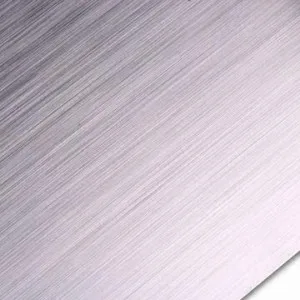
Surface condition State whether the sheet will remain visible, be painted or anodized, and whether a protective film is needed. Surface marks or a finish that does not suit the next process can create avoidable rework. Ask what surface condition will be supplied and whether thickness refers to the base metal or a finished sheet.

Thickness, temper and finish decisions

The first distinction is between a thickness callout and a material grade. “050” commonly refers to inches, but it could be mistaken for 0.50 mm. Confirm the unit before comparing material or planning fabrication. Then specify the alloy and temper: a sheet intended for tight bends may need a different temper from one chosen for greater stiffness in a flat panel.

Start with the fabrication step. If the sheet will be bent or drawn, share the bend geometry and forming method so the temper can be checked. If it will remain flat, focus instead on the support span, fastening method and acceptable deflection. A nominal thickness does not, by itself, establish that a panel will be rigid enough.

Choose the alloy for the environment and the work the part must do. For example, 5052 may be considered where corrosion resistance and forming matter, while 6061 may be considered for a part that also needs machining. Do not substitute one alloy for another solely because both are available at 0.050 inch.

Define the surface the finished part needs. Visible panels may require a consistent cosmetic finish and protection during handling; concealed parts may not. If the sheet will be anodized or coated, clarify whether the stated thickness refers to the base metal or the finished material.

Before requesting a quotation, confirm that 0.050 inch is the intended nominal thickness, then provide the required sheet or cut-part dimensions, alloy and temper if known, and the planned fabrication steps. Ask SUZHOU TOP METAL MATERIALS CO.,LIMITED which material and finish options it can supply for that application.


Criteria Importance Description Example Options
Thickness tolerance Critical for close-fitting parts Compare the acceptable measured thickness range, not just the nominal 0.050-inch callout. A sheet that fits into a narrow channel needs a defined thickness range.
Panel stiffness Important for broad or lightly supported panels Sheet thickness, unsupported span and fastening layout all affect flex. A wide cover may need a thicker sheet or additional supports.
Alloy and temper Critical when the part will be formed Compare bendability and the required service properties; equal-thickness sheets are not necessarily interchangeable. A cover with tight bends may call for a different temper than a flat panel.
Cut size and edge condition Important for assembly fit and handling Clarify piece dimensions, dimensional tolerances and the edge condition needed after cutting. Precut blanks for an enclosure need to fit the forming process.
Surface condition Important for visible or coated parts Compare finish requirements separately from protective film and handling protection. An exposed face may need a defined appearance, while a concealed face may not.

Blog Articles / Reviews

6061 0 Aluminum Sheet: What Should Buyers Verify?

6061 0 Aluminum Sheet: What Should Buyers Verify?

A request for 6061 0 aluminum sheet is a temper-specific purchasing question, not simply a request for generic 6061 sheet. That distinction matters when a buyer compares supplier quotations. TOP METAL…

Frequently Asked Questions

Is 0.050-inch aluminum sheet suitable for an outdoor cover?

It can be, but thickness alone does not establish suitability. Consider the alloy, exposure to moisture or chemicals, fastening design and any required surface treatment.

Should I use thicker sheet instead of adding supports?

Thicker sheet can reduce flex, but it also adds weight and may change how the part forms. Supports or a different fastening layout may be a better choice for a large panel; compare the options against the allowable deflection.

Does a nominal 0.050-inch callout mean every sheet measures exactly 0.050 inch?

No. Nominal thickness is a target, not a promise of zero variation. If the sheet must fit a narrow slot or meet a formed-part dimension, specify the acceptable thickness range.

Can this sheet be ordered as cut pieces rather than full sheets?

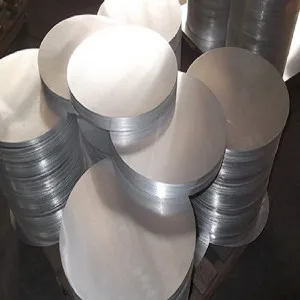
Ask what cut sizes are available and what dimensional tolerances apply. Include the number of pieces, required edge condition and any restrictions on surface marks so the quoted form matches the job.

Will protective film guarantee a mark-free visible surface?

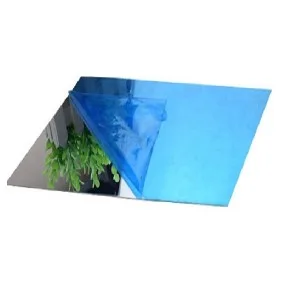
Film can reduce handling marks, but it does not define the appearance of the metal underneath or prevent every mark at a cut edge. Describe the acceptable finish and which face will be visible.

Leave Your Message

Tell us the required dimensions, what the part will be used for, and whether it will be bent or surface-finished. Please confirm that “050” means 0.050 inch.