.060 Aluminum Sheet | SUZHOU TOP METAL MATERIALS CO.,LIMITED

.060-Inch Aluminum Sheet for Fabricated Parts

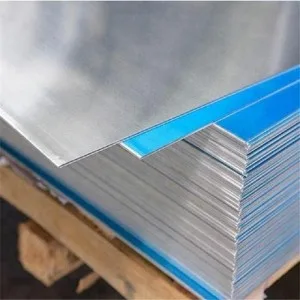
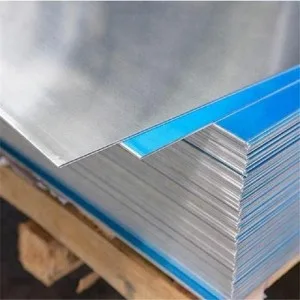
A .060-inch aluminum sheet can suit enclosure panels, formed covers and lightweight guards, but thickness alone will not tell you how it will bend or hold its shape. The main decision is which alloy and temper fit the part, followed by the finish and thickness tolerance your fabrication process needs.

Related Products

1050 aluminum sheet aluminium plate

1050 aluminum sheet aluminium plate

Aluminum as one of most important metals is widely used in industry and our daily life, when it comes to the aluminum alloy, the 1000 series aluminum sheet come to our mind, there are two typical alum…

Read More

Compare alloy, temper and finish at .060 inch

Sheet selection

Compare .060-inch sheet options by alloy, temper, thickness tolerance, sheet size and surface condition. The right combination depends on the part's bend details, fit and visible-face requirements.

Criterion What To Check Why It Matters Buyer Tip
Nominal thickness and tolerance Confirm that .060 inch means the base-metal thickness, and ask for the permitted thickness range. Thickness variation can affect fit, stiffness and forming. Will the finished sheet fit the clearance in your assembly?
Alloy and temper Match the specified alloy and temper to the forming and service requirements. Sheets of the same thickness can differ substantially in bendability and strength. Will the sheet be bent, or used mainly as a flat panel?
Bend requirements Provide the bend radius and direction relative to the sheet’s rolling direction. A tight bend may crack even when the thickness is correct. Can the proposed alloy and temper accommodate the drawing’s bends?
Sheet size and flatness Compare available sheet dimensions and flatness requirements with the cut-part drawing. Panel size and flatness affect cutting yield and how the part sits in an assembly. What is the largest finished part, and does it need to lie visibly flat?
Surface and coating Specify the required surface appearance and clarify whether any coating is included in the stated thickness. Scratches or coating buildup may matter for visible panels and close-fitting parts. Is the surface exposed, painted or otherwise finished after fabrication?

Match sheet thickness to the part

Is .060-inch sheet the same as 1.5 mm sheet? Not exactly: .060 inch converts to about 1.524 mm. If a part must fit a tight slot or mate with other components, specify the required thickness and tolerance rather than treating the two nominal sizes as interchangeable.

Also distinguish bare-metal thickness from finished thickness if the sheet will be coated or anodized. That distinction matters most where clearance or forming accuracy is tight.

Choose alloy and temper around the fabrication step. A formed cover may call for a different combination than a flat panel or machined component. Do not assume that two sheets of the same thickness will bend alike; ask which alloy and temper are appropriate for the bend geometry and service conditions.

Check the part's unsupported span, fastening points and expected loads. A .060-inch sheet that works for a small cover may flex too much across a larger opening. If stiffness is critical, consider changes to the part geometry or thickness rather than relying on alloy choice alone.

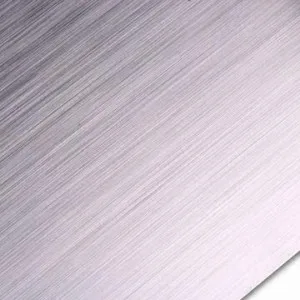
Specify the surface the finished part needs: mill finish for a concealed component, or a defined appearance and protective finish for a visible one. If appearance matters, agree on which face is exposed and how surface marks will be assessed before ordering.

Send SUZHOU TOP METAL MATERIALS CO.,LIMITED a drawing or cut size, the intended forming operation and the required finish. Ask them to confirm an available alloy, temper and thickness tolerance against those requirements.

Criteria Importance Description Example Options
Thickness versus panel support Decisive when flex or clearance controls the design. Compare .060-inch sheet with a thicker option in the actual part geometry. A larger unsupported area can need more thickness or support even if a smaller panel works well. A broad flat guard may need a formed edge or added support; a small cover may not.
Alloy and temper Important when the part has bends or specific service conditions. Sheets of the same nominal thickness can form differently. Select the combination against the required bends rather than treating alloy names as interchangeable. Compare a bend-heavy cover with a mostly flat panel before choosing the same material for both.
Surface condition Important for visible parts and subsequent finishing. Decide whether mill finish, a specified appearance or a surface prepared for further finishing is needed. Identify the exposed face and acceptable handling marks. A concealed bracket and a visible enclosure panel may need different surface requirements.
Cut dimensions and flatness Important when panels must fit frames or meet at visible joints. Confirm the supplied size, cutting tolerance, edge condition and flatness expectations; nominal thickness does not define any of these. A panel fitted into a close-tolerance frame needs more defined cut dimensions than a blank trimmed later.

Blog Articles / Reviews

6061 0 Aluminum Sheet: What Should Buyers Verify?

6061 0 Aluminum Sheet: What Should Buyers Verify?

A request for 6061 0 aluminum sheet is a temper-specific purchasing question, not simply a request for generic 6061 sheet. That distinction matters when a buyer compares supplier quotations. TOP METAL…

Frequently Asked Questions

Can this thickness be used for an outdoor enclosure?

It may be suitable, but the alloy, finish, drainage and fastening details matter as much as thickness. Describe the exposure conditions so the material and surface finish can be checked for the application.

Can I substitute 6061 for 5052 if both sheets are .060 inch thick?

Not without checking the part. Their forming behavior differs, and temper affects how each sheet handles bending. Compare the bend requirements and service conditions before changing the drawing or order.

Will a stronger alloy stop a large panel from flexing?

Not necessarily. Flex across an unsupported span depends heavily on thickness, panel shape and support; a different alloy alone may not make the panel feel rigid enough. A formed edge, added support or thicker sheet may be more effective.

What should I confirm if the sheet will be cut into visible panels?

Confirm cut-size tolerance, edge condition, flatness expectations and which face must remain presentable. If scratches during handling would be a problem, ask what surface protection and packing options are available.

Is mill finish suitable if the part will be painted?

Mill finish can be a starting surface, but paint adhesion depends on surface preparation and the coating process. Tell the supplier how the part will be finished and confirm that the supplied surface condition suits that process.

Leave Your Message

Share your cut size or drawing, intended bending or other fabrication, and required finish so the alloy, temper and thickness tolerance can be checked.