1 8 Aluminum Sheet Manufacturer Selection Guide | SUZHOU TOP METAL MATERIALS CO.,LIMITED

Choosing 1/8-Inch Aluminum Sheet for Fabrication

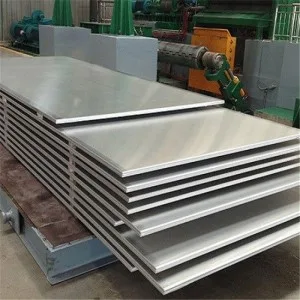
If you need 1/8-inch aluminum sheet for panels, covers or fabricated parts, thickness alone will not determine the right material. Alloy and temper affect how the sheet bends, machines and performs in service.

Before asking a manufacturer for a quote, confirm that “1 8” means 1/8 inch rather than 1.8 mm. Then specify the required sheet size and what the part needs to do.

Related Products

Match 1/8-inch sheet to the part

Sheet selection

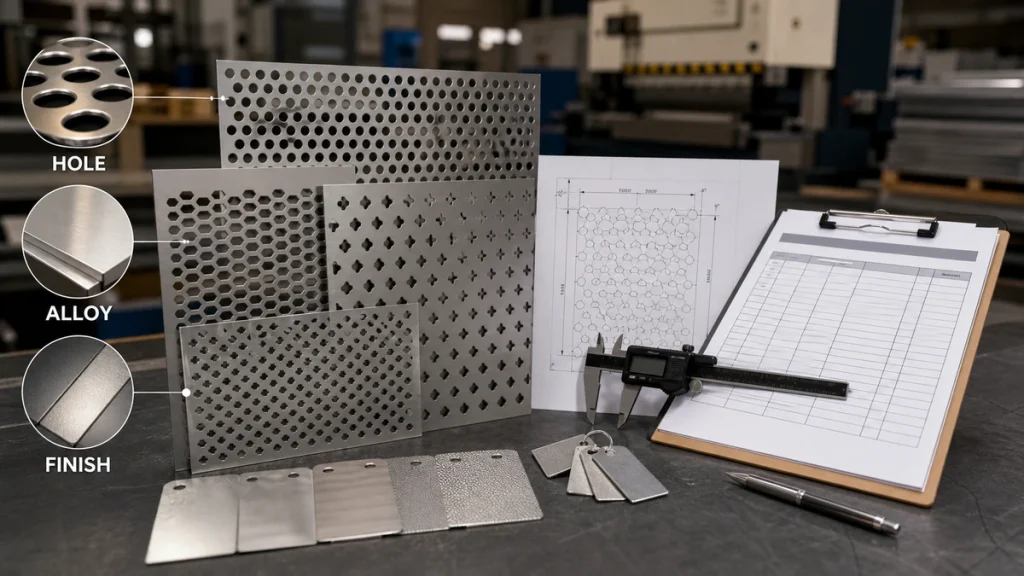
Compare 1/8-inch sheet options by alloy, temper, size, tolerance and surface condition, then check how each choice fits the part’s fabrication steps.

Criterion What To Check Why It Matters Buyer Tip
One-eighth-inch thickness Confirm the order specifies nominal 1/8-inch sheet and ask for the applicable thickness tolerance. Nominal thickness alone may not tell you whether a sheet will fit a tight slot or formed assembly. What thickness range will be supplied and how is it measured?
Alloy and temper State the intended bend, weld or service environment, then confirm the alloy and temper offered. Sheets of the same thickness can behave differently during forming and in use. Can you confirm the alloy and temper against our application?
Sheet size and flatness Specify the required width and length, then ask how size tolerances and flatness are defined. A sheet that arrives bowed or outside the cutting allowance can disrupt fabrication. What size and flatness tolerances apply to the supplied sheets?
Surface condition Describe which faces will be visible and confirm the finish and handling protection. Scratches or marks may matter on a visible panel but not on a concealed part. How will the visible face be identified and protected?
Cut edges Confirm whether sheets are supplied at standard size or cut to your dimensions, and define acceptable edge condition. Cutting method and edge condition affect handling and the amount of finishing needed. If sheets are cut to size, what edge condition should we expect?

Decisions to settle before ordering

A 1/8-inch sheet is not interchangeable across alloys and tempers. A part that needs substantial bending may call for a different choice from one that will be machined into a rigid component. Tell the manufacturer which operations come after delivery so they can assess the proposed material against the job.

Also distinguish a full sheet from cut-to-size blanks. Blanks can reduce in-house cutting, but their dimensions, edge condition and flatness become part of the purchase decision.

Start with the finished part. Describe its exposure conditions, forming or machining steps, and any specified alloy or temper. If the drawing names a material, send it rather than substituting an alloy based on thickness alone.

State the sheet dimensions, required thickness tolerance and whether flatness matters for assembly or appearance. A nominal 1/8-inch thickness does not, by itself, define the acceptable variation.

Decide what surface condition you can accept. Visible panels may need protection against handling marks; parts that will be painted or further processed may have different priorities. Specify any finish requirement instead of assuming all sheets arrive ready for the same use.

For a manufacturer inquiry, ask SUZHOU TOP METAL MATERIALS CO.,LIMITED to confirm the proposed alloy and temper, available sheet or blank sizes, and the basis of the quoted thickness tolerance. That gives you a clearer comparison than a thickness-only quote.

Criteria Importance Description Example Options
1/8 inch versus 3 mm Important when a drawing or assembly controls thickness closely. The nominal dimensions differ; check tolerances rather than treating the sizes as equivalent. A close-fitting cover specified at 1/8 inch may need a fit check before a 3 mm substitution.
Alloy and temper Critical when forming, machining, joining or service conditions govern material choice. Sheets of the same thickness can behave differently during fabrication and use. A sharply bent part and a machined part may call for different material choices.
Full sheet versus cut blanks Relevant when cutting time, usable yield or finished dimensions affect the order. Blanks can reduce cutting at your facility, but their size, edge condition and flatness need to match the part. A shop with its own cutting process may prefer full sheets; a repeat part may suit specified blanks.
Bare surface versus specified finish Important for visible parts and parts that will be coated or exposed. Define the acceptable surface condition and whether any coating is included in the required finished dimension. A visible enclosure panel may need handling protection that an internally mounted part does not.

Blog Articles / Reviews

6061 0 Aluminum Sheet: What Should Buyers Verify?

6061 0 Aluminum Sheet: What Should Buyers Verify?

A request for 6061 0 aluminum sheet is a temper-specific purchasing question, not simply a request for generic 6061 sheet. That distinction matters when a buyer compares supplier quotations. TOP METAL…

Frequently Asked Questions

Can I substitute 3 mm sheet for 1/8-inch sheet?

Not without checking the drawing and fit. One-eighth inch is 3.175 mm, so the difference may matter for close-fitting parts, especially after thickness tolerances are considered.

Is this thickness suitable for an outdoor panel?

Thickness alone does not determine outdoor suitability. Check the specified alloy, surface finish, exposure conditions and any contact with other metals before choosing the sheet.

Can the sheet be welded?

That depends on the alloy, temper, joint design and welding process. Tell the manufacturer how the part will be joined and ask them to confirm that the proposed material fits that method.

Does a quoted 1/8-inch thickness include a coating?

Do not assume it does. Ask whether the quoted dimension refers to the base sheet or the finished, coated material, and specify which dimension your drawing controls.

What should I confirm if I need material traceability?

State the documentation your project requires before ordering. Ask whether the quoted material can be supplied with records identifying its alloy, temper and production lot.

Leave Your Message

Send the required sheet or blank dimensions, the alloy and temper if specified, and a brief description of how the part will be fabricated.