Choosing a 1060 Prepainted Aluminum Coil Manufacturer in China | SUZHOU TOP METAL MATERIALS CO.,LIMITED

Choosing a 1060 Prepainted Aluminum Coil Manufacturer in China

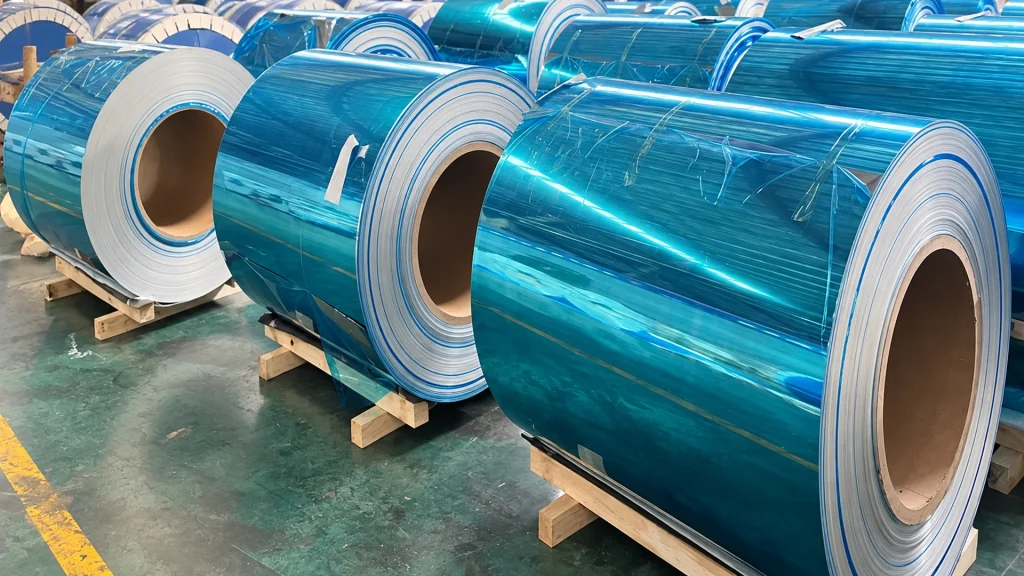
For formed trim or decorative panels, 1060 prepainted aluminum coil offers a formable aluminum base with a finished surface. The main decision is whether the specified temper and coating will withstand your forming process while giving the appearance and service life the application needs.

If you are arranging manufacture in China, describe the finished part—not just the alloy and color. A tight bend, a visible face and outdoor exposure each change what needs to be agreed before production.

Related Products

Match 1060 coil to the finished part

Selection criteria

Assess a proposed 1060 coil against the part’s forming method, required metal thickness, visible-face finish and exposure conditions. Those details are more useful than an alloy-and-color description when deciding if a sample is worth testing.

Criterion What To Check Why It Matters Buyer Tip
1060 alloy and temper Request the specified alloy and temper on the order and material documentation. Temper affects how the coil forms; the alloy designation alone does not define its forming behavior. Tell the manufacturer in China how the part will be bent or stamped.
Paint system for the application Confirm the coating type and intended exposure, including whether the finished part will be used indoors or outdoors. Paint systems differ in weather resistance and forming behavior. Ask suppliers which coating system they propose for your end use and why.
Coating adhesion after forming Agree on a bend-test method and review results on the proposed material. A coating can look sound on a flat coil but crack or lose adhesion at a formed edge. Can the factory assess a bend that represents your finished part?
Coated faces and appearance Specify which face is visible, the required color reference and any reverse-side coating. An unclear face designation can put the intended finish on the wrong side of the part. Mark the visible face on a drawing or approved sample.
Coil dimensions and handling Confirm thickness, width, inner diameter, maximum coil weight and edge condition against your equipment. A suitable coating is of little use if the coil cannot run through the line or the edges damage finished parts. Send your line’s coil limits before confirming the order.

Decide the temper, coating and order details

1060 is generally chosen for formability rather than structural strength. If the part must resist denting or carry a load, ask whether a different alloy or temper would be more suitable; changing the paint alone will not address the base metal’s strength.

When comparing a manufacturer with other suppliers, establish who controls the coating specification and who will answer questions about the finished coil. A factory producing the coil and a supplier arranging it can both be viable routes, but the responsibilities for samples, inspection and any specification changes should be clear.

Start with the fabrication step. State whether the coil will be bent, roll-formed, stamped or cut, and identify which side faces outward. Ask for a sample made to the proposed temper and coating specification if cracking or marking at a bend would reject the part.

Specify the environment before choosing a paint finish. Indoor decorative work and exposed exterior panels place different demands on color retention and coating durability. Agree on the coating system, color reference, gloss and acceptable appearance rather than relying on a color name alone.

Keep metal thickness separate from coating thickness when comparing offers. Also confirm width, surface orientation and any protective film requirement. A quote that matches the nominal alloy and color can still be unsuitable if its thickness basis or usable width differs from your drawing.

For the next discussion, send a part drawing or forming description and request the proposed alloy temper, coating details and sample-review approach. Confirm whether SUZHOU TOP METAL MATERIALS CO.,LIMITED will manufacture the coil or arrange production, and who will confirm the final specification before the order proceeds.

Criteria Importance Description Example Options
1060 versus a stronger alloy Matters when the part must hold its shape or resist handling damage 1060 favors formability; an alternative such as 3003 may be worth evaluating where greater rigidity is needed. Temper also affects the result. Compare samples formed into the intended panel profile and inspect them for both fit and denting.
Coating at the finished bend Critical when a fold remains visible An acceptable flat surface does not establish that the coating will retain its appearance and adhesion after forming. Inspect the painted outside face after making a representative trim bend.
Finish for the service environment Higher priority for exposed parts than for sheltered decorative work Compare proposed coating systems against the expected exposure, required appearance and maintenance expectations. An exterior fascia and an indoor display surround may call for different finish decisions.
Coil fit on fabrication equipment Essential for avoiding a coil that cannot be fed as intended Confirm inner diameter, allowable coil weight, winding direction and which side is painted, in addition to strip width. A roll-forming line may need the visible face presented in a particular orientation.

Product Selection

Related Options

For roll-formed decorative trim, prioritize a coating that remains acceptable at the finished bend and a surface that arrives protected for fabrication. Confirm both on material made to the proposed specification before committing to a production quantity.

Blog Articles / Reviews

Frequently Asked Questions

Is 1060 suitable for an exterior fascia with folded edges?

It may be, but the coating must suit the exposure and remain acceptable after folding. Evaluate a coated sample at the actual bend geometry, including the visible face and any exposed edges.

When would 3003 be a better choice than 1060?

Consider 3003 if the finished part needs greater resistance to denting or more rigidity. The trade-off is that alloy and temper changes can affect forming, so compare finished-part samples rather than substituting alloys on the drawing alone.

Does prepainting protect cut edges as well as the painted face?

No. Cutting exposes the aluminum beneath the coating. If edges remain visible or exposed in service, decide how their appearance and protection will be handled in the finished part.

What should a bend test tell us before ordering?

It should show how the proposed coated material behaves at a bend representative of your fabrication process. Check for cracking, peeling and objectionable changes in appearance on the side that will be visible.

What coil-handling details should accompany a drawing?

Provide the coil inner diameter and any maximum coil weight your equipment can accept, along with the required winding and painted-side orientation. These details can determine whether a technically suitable coil will run on your line.

Leave Your Message

Tell us the intended part and forming method, the required metal thickness and width, and the finish and exposure conditions. We can then discuss a suitable specification.