19 in × 10 ft Aluminum Sheet Flashing | SUZHOU TOP METAL MATERIALS CO.,LIMITED

19-Inch by 10-Foot Aluminum Sheet for Flashing

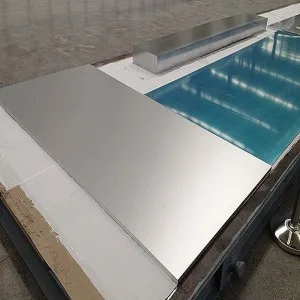
A 19-inch-wide, 10-foot-long aluminum sheet can be cut and bent into flashing for roof edges, wall junctions and other weather-exposed transitions. The key decision is whether that flat size leaves enough material for the finished profile, including bends and overlap, without creating unnecessary waste.

Related Products

Match sheet size to the finished flashing profile

Flashing selection

Compare the usable width after bending, the required leg dimensions, material thickness and temper, finish, and whether the job calls for flat sheet or a formed profile.

Criterion What To Check Why It Matters Buyer Tip
Width and usable coverage Confirm that 19 inches is the cut width, then compare it with the width needed after folds and overlaps. A 19-inch blank may cover less than 19 inches once formed. What cut width and finished coverage does your flashing detail require?
Thickness Request the base-metal thickness and its tolerance rather than relying on a general description such as “heavy-duty.” Thickness affects stiffness, handling and how readily the sheet forms around details. Can you supply the specified thickness for this 19-inch-wide sheet?
Alloy and temper Identify the alloy and temper, and confirm they suit the bends shown in the flashing drawing. A sheet that is too stiff for the intended folds may crack or be difficult to form cleanly. Which alloy and temper would you quote for these bends?
Surface and exposure Specify bare or coated aluminum and describe where the flashing will be exposed and what materials it will contact. Appearance, weather exposure and contact with other building materials can change the appropriate finish. Is the visible surface bare aluminum or a specified coating?
Ten-foot length and delivery form Confirm whether 10 feet is the cut length and whether the material arrives as flat sheets or in another form. The delivery form affects handling and whether pieces can be used at full length. Can you provide 19-inch by 10-foot cut sheets, and how will they be packed?

Width, forming and finish decisions

Flat sheet and preformed flashing are not interchangeable. Flat sheet gives you control over the bend locations and profile, but the 19-inch width is the starting width—not the exposed coverage after forming. A preformed piece has a defined shape, so its leg dimensions and angles need to match the detail where it will be used. For either option, check how the 10-foot length fits the planned joints and handling requirements.

Start with the finished cross-section. Mark the required legs, hems and overlap on a drawing, then confirm that they fit within the 19-inch sheet width. Ordering by visible coverage alone can leave too little metal for the bends.

Choose thickness and temper for the forming method and the stiffness the finished piece needs. Material that bends readily may not hold the desired shape as firmly; a stiffer choice may be less suitable for tight bends. Confirm the alloy and temper rather than specifying thickness alone.

Match the finish to its exposure and appearance requirements. If the flashing will be painted or coated, check compatibility with adjacent materials and the intended finish. Also decide whether a flat sheet or a formed profile is needed before comparing offers.

Send SUZHOU TOP METAL MATERIALS CO.,LIMITED a profile sketch and the intended application, and ask which sheet dimensions, material options and supply form they can provide. Confirm dimensional tolerances and protective packaging if clean edges or an unmarred finish matter to your job.


Criteria Importance Description Example Options
Supply form Determines how much forming is needed and how closely the material can follow a custom detail. Flat sheet allows a profile to be formed for the job; preformed flashing arrives with defined bends. A custom roof-to-wall detail may call for flat sheet, while a repeatable standard detail may suit a preformed profile.
Length and joints Affects the number and placement of joints along the run. Compare a 10-foot sheet with the run length and the joint arrangement the detail permits. A run longer than one sheet needs a planned joint or a different supply length.
Thickness and temper Affects both bendability and the stiffness of the formed piece. Compare material choices against the bend geometry and the shape the flashing must retain. A tight folded profile and a broad, exposed face may call for different forming and stiffness priorities.
Finish and adjacent materials Matters for appearance and material compatibility at exposed or damp junctions. Check the specified surface finish alongside any metals, coatings or sealants it will contact. A visible edge may need a different surface condition from flashing concealed behind cladding.

Blog Articles / Reviews

6061 0 Aluminum Sheet: What Should Buyers Verify?

6061 0 Aluminum Sheet: What Should Buyers Verify?

A request for 6061 0 aluminum sheet is a temper-specific purchasing question, not simply a request for generic 6061 sheet. That distinction matters when a buyer compares supplier quotations. TOP METAL…

Frequently Asked Questions

Is a 10-foot sheet suitable for a longer roof-to-wall run?

Yes, if the detail allows joints between lengths. Plan the joint locations and overlaps before ordering; a continuous run may be better served by material supplied in longer lengths or coil form.

Should I buy flat sheets or preformed flashing?

Buy flat sheets if the profiles will be formed to suit the job. Preformed flashing reduces forming work, but its angles and leg dimensions must match the intended detail.

Does the aluminum sheet alone make the junction watertight?

No. Flashing directs water as part of a roof or wall assembly; joint design, overlaps and compatibility with adjacent materials also matter. A sheet size does not establish that the finished detail will resist water.

What should I check where aluminum meets another material?

Identify the adjacent metals, coatings and sealants so their compatibility can be assessed for the expected exposure. This is especially important where moisture may remain at a contact point.

What details should accompany an inquiry for cut sheets?

State whether 19 inches by 10 feet refers to the required cut size, then provide the quantity, thickness, finish and acceptable dimensional tolerances. Ask whether protective packaging is available if surface marks would be a problem.

Leave Your Message

Share a profile sketch or required leg dimensions, your preferred thickness and finish, and the quantity needed so the team can check suitable options.