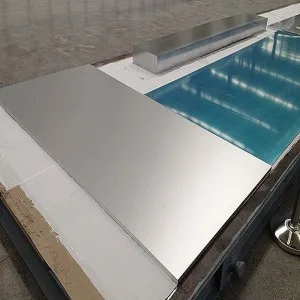
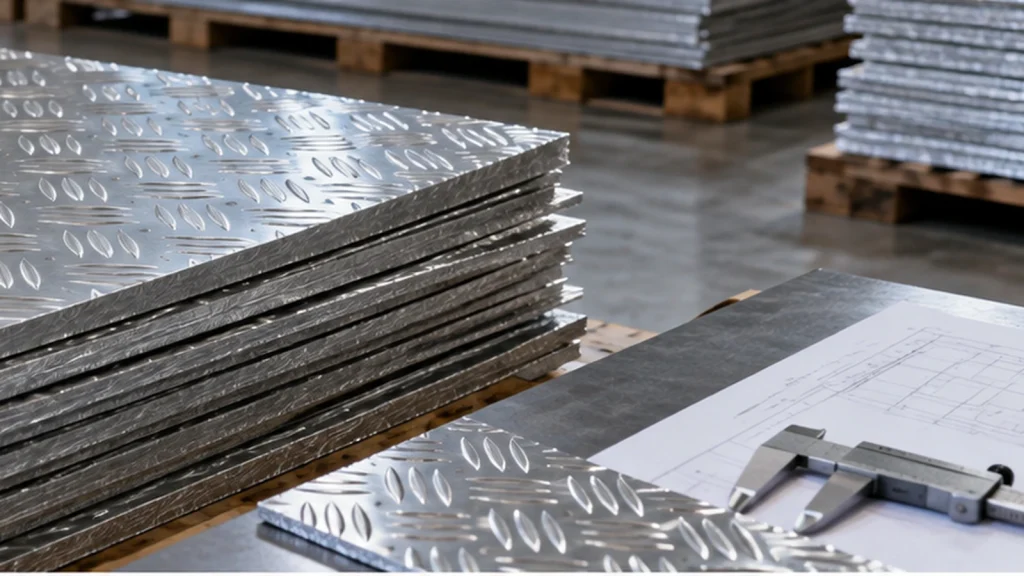
Does a 4x8 sheet give you a full 48-by-96-inch usable part? Not necessarily. Confirm the supplied dimensions and tolerances, then allow for cutting, edge quality and any defects your finished part cannot accept. A cutting layout can show whether one sheet yields the parts you expect.
Also distinguish sheet size from thickness. Two sheets with the same footprint can differ substantially in rigidity, forming behavior and material required per part. If the part will be bent, specify the bend requirements before settling on thickness and temper.
Choose the alloy for the job rather than treating aluminum sheets as interchangeable. A formed cover, a machined panel and an exposed exterior part may call for different balances of strength, formability and corrosion resistance. If you have a drawing or an existing material specification, use it to anchor that choice.
Match temper to the fabrication sequence. A temper suited to maintaining shape may be less forgiving in a tight bend; a more formable choice may not provide the stiffness the finished part needs. Check bend direction, bend radius and any later finishing before approving a substitution.
Define the surface your process needs. Visible panels may need a consistent appearance and protection during handling, while parts that will be painted or hidden may have different priorities. State which face will show and whether scratches, protective film or finish preparation matter.
Before comparing quotations, confirm that they cover the same alloy, temper, thickness, size tolerance, surface condition and quantity. Send the part drawing or cutting layout if available, and ask what sheet dimensions and tolerances can be supplied for that requirement.