

Stucco Embossed Aluminum Sheet
A stucco embossed finish is designed to have superior durability, reduce glare and reflectivity, and also to give aluminum a decorative finish. The stucco aluminum sheet is also a finish that can stan…
Read More7050 Aluminum Sheet Specification Selection Guide | SUZHOU TOP METAL MATERIALS CO.,LIMITED
A 7050 aluminum sheet specification needs more than an alloy number. The temper, thickness, product form and required inspection documents determine whether the material fits a structural part and whether a supplier can quote the same material you intend to buy.
A stucco embossed finish is designed to have superior durability, reduce glare and reflectivity, and also to give aluminum a decorative finish. The stucco aluminum sheet is also a finish that can stan…
Read More
China brushed anodized aluminum sheet copper color anodising black aluminium plate Anodized aluminum sheet is a sheet metal product consisting of aluminum sheeting exposed to an electrolytic passivati…
Read More
Low Strength 1100 H14 Aluminum Sheet 0.2mm-30mm Mill Finish Aluminum Sheet
Read More
1050 aluminum sheet is the most useful sort of series 1000 aluminum alloy. As a kind of pure aluminium sheet, 1050 aluminium sheet is excellent on corrosion resistance, thermal conductivity and electr…
Read More
5052 is an aluminium alloy, primarily alloyed with magnesium and chromium 5052 aluminum is the highest strength alloy of the more non-heat-treatable grades. Its resistance to fatigue is better than mo…
Read More
Commercial Grade 5052 Aluminum Plate Customized Aircraft Grade Aluminum Sheet Thickness 1.25″-16″ Width 36″-96″ Length 96″, 120″, 144″, 240″, 288″, 260″ Diamond tread and 5 bar tread plate
Read MoreSelection criteria
Compare a proposed 7050 sheet against the drawing’s temper, thickness, product-form standard and grain-direction requirement first. Then check cut size, flatness and documentation requirements.
| Criterion | What To Check | Why It Matters | Buyer Tip |
|---|---|---|---|
| Temper and product form | Match the specified temper and sheet or plate form against the drawing and the applicable material standard. | Temper affects strength and corrosion behavior; sheet and plate specifications may have different requirements. | Which temper and material standard does the part drawing call for? |
| Thickness and flatness | Confirm nominal thickness, permitted variation, flatness, and whether dimensions refer to the supplied stock or the finished part. | Stock that is too thin or uneven may leave insufficient material for machining. | How much machining allowance does the part need? |
| Mechanical properties | Review the required tensile properties and test direction in the specified standard and material certificate. | Reported properties can differ by temper, thickness, and test orientation. | Which property limits and test direction must the certificate show? |
| Internal inspection | If the drawing requires ultrasonic inspection, identify the inspection standard and acceptance level. | Internal discontinuities matter more for highly stressed or heavily machined parts. | Does the application require an inspection report for each supplied lot? |
| Surface condition and traceability | Specify acceptable surface marks, any protective finish, and the certificate details needed to identify the supplied lot. | Surface damage can affect finishing or usable yield, while traceability links the stock to its test results. | What surface condition and lot documentation will your receiving team accept? |
The first distinction is between sheet and plate. A drawing may call for “sheet” while its thickness or temper points to plate stock. Do not treat the two as interchangeable: available tempers, thickness ranges and property requirements can differ by product form. State the governing material standard and revision alongside the dimensions so the requirement is clear.
Temper matters as much as alloy. Higher-strength and overaged temper options involve different strength and stress-corrosion trade-offs. Select the temper specified by the part design rather than substituting one because it is available.
Start with the finished part. Give the required thickness, length, width and quantity, then identify any machining allowance needed from the starting stock. Check whether the drawing specifies grain direction; it can affect how parts are nested and cut.
Separate essential requirements from preferences. An applicable material standard, temper and mechanical-property requirements define the material. Flatness, surface condition and edge condition may also matter, especially if the sheet will be machined or used with little finishing.
Do not rely on “7050” alone in a purchase order. Ask which specification and product form the offered material meets, and confirm how the supplier will identify the heat or lot on the material and its inspection documents. A familiar temper designation on a plate quotation is not proof that it meets a sheet drawing.
Send the drawing or specification revision with the required size and temper to SUZHOU TOP METAL MATERIALS CO.,LIMITED. Ask whether it can supply that exact form and provide the inspection records your receiving process requires before considering an alternative.
| Criteria | Importance | Description | Example Options |
|---|---|---|---|
| Temper | Critical to the specified mechanical and corrosion-performance requirements | Temper choices involve strength and stress-corrosion trade-offs; one cannot be substituted for another solely because it is available. | Compare a proposed overaged temper with the drawing’s specified temper before approving a change. |
| Sheet versus plate designation | Critical when qualifying stock to a material specification | Product form affects which standard, thickness range and property requirements apply. | A plate quotation should not automatically be accepted for a drawing that specifies sheet. |
| Thickness tolerance and flatness | Important when the part has limited machining allowance | Nominal thickness alone does not show whether the stock will yield the required finished dimensions. | For a blank machined on both faces, compare the permitted stock variation with the planned material removal. |
| Grain direction and cut layout | Important when the drawing controls part orientation | The required orientation can limit how many parts fit in a sheet or cut blank. | Show the part’s required grain direction when requesting cut pieces. |
| Identification and inspection records | Essential when receiving inspection requires traceability | Agree on how the supplied material and its records will be matched to the ordered specification and lot. | Ask how cut blanks will remain identifiable after they are separated from the parent sheet. |
Related Options
For a machined structural part, matching the specified temper and product form takes priority over choosing stock that is simply close in size. Extra machining allowance cannot correct a material-standard mismatch.







When buyers search for a reflective aluminum sheet manufacturer, the key challenge is usually not finding a supplier website. The more important question is whether the supplier can provide a product …

A request for 6061 0 aluminum sheet is a temper-specific purchasing question, not simply a request for generic 6061 sheet. That distinction matters when a buyer compares supplier quotations. TOP METAL…

5052 aluminum sheet and plate are flat-rolled aluminum-magnesium products considered for parts that need formability, corrosion resistance and moderate strength. Choosing the material means specifying…

Anodized aluminum sheet thickness can mean two different things: the thickness of the aluminum substrate and the thickness of the anodic oxide layer. They are not interchangeable. Substrate thickness …
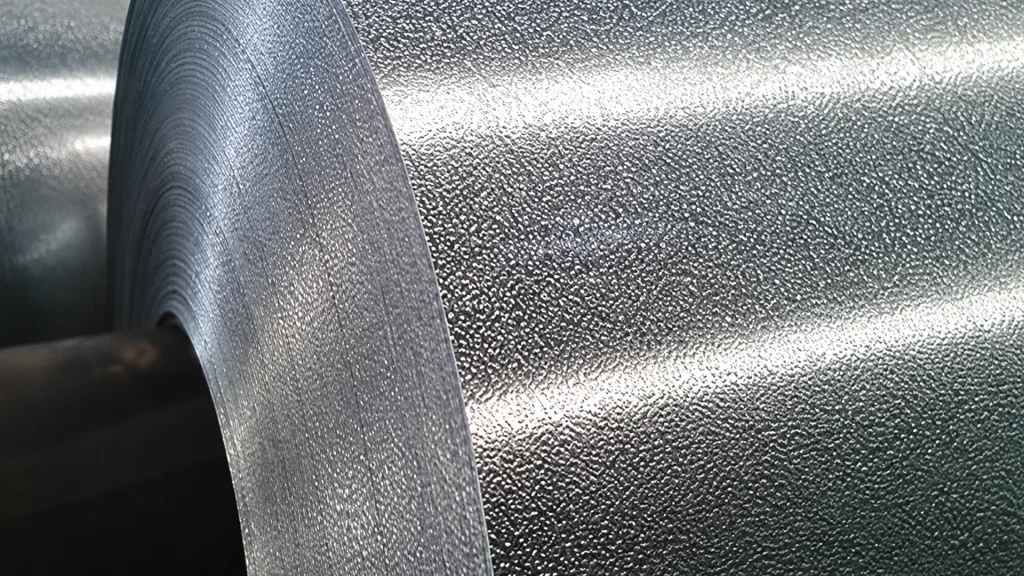
Stucco embossed aluminum sheet changes the surface appearance of insulation jacketing. Its irregular texture makes minor handling marks less conspicuous and reduces glare compared with a smooth finish…

Direct Answer: Buyers should ask an anodised aluminum sheet supplier China sourcing teams are reviewing to define the base alloy, temper, thickness, sheet size, anodizing sequence, finish, color-contr…
Do not assume a high-strength temper will tolerate the bend required by the part. If forming is necessary, give the supplier the temper, bend geometry and forming stage so the material and process can be reviewed together.
6061 may be easier to form or weld, but it is not a direct substitute for 7050 in a structural design. Any alloy change needs approval against the part’s strength, corrosion and manufacturing requirements.
No. The same alloy and temper description does not, by itself, establish that the offered stock meets the drawing’s product-form standard, thickness range or required properties. Compare the full designation and governing specification before accepting it.
State the required starting-stock thickness and tolerance separately from the finished part thickness. If both faces will be machined, include enough stock allowance for that operation rather than assuming nominal sheet thickness is the finished dimension.
Review the specified temper and any required surface protection against the actual service conditions. A high-strength alloy designation alone does not establish that an unprotected part is suitable for every environment.
Send the required temper and material standard, sheet thickness and cut dimensions, and any grain-direction or inspection-document requirements.