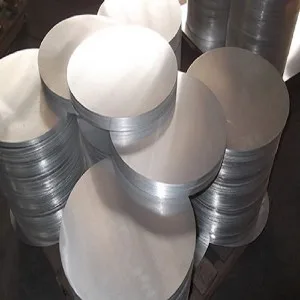
If you are searching for aluminium sheet thickness and an aluminum thickness chart, you likely need a supplier that can help confirm suitable sheet specifications for your application, sample review, and bulk order plan.
Compare suppliers by how clearly they communicate available thickness ranges, material options, surface requirements, packaging needs, customization possibilities, and export order details.
Start with the application. Tell the supplier whether the aluminium sheet will be used for fabrication, decoration, equipment parts, signage, transport, or another project. This helps narrow the suitable thickness, alloy, temper, surface, and cutting requirements.
For sample approval, prepare drawings, photos, target dimensions, tolerance needs, finish expectations, and any reference samples. If an aluminum thickness chart is being used internally, share the thickness units and standards so both sides discuss the same specification.
When comparing suppliers, ask for available sheet sizes, minimum order quantity, custom cutting options, packaging method, lead time, and inspection points. Clear answers are useful when preparing an RFQ or reviewing export order needs.
Before confirming a bulk order, align on sample feedback, revision steps, labeling, packing, documents, and after-sales communication. A practical supplier discussion should reduce uncertainty before production or shipment.