Alloy and temper affect how a profile performs, even when its shape is identical. 6063 is often considered for profiles where surface appearance and finishing matter; 6061 is commonly considered when higher strength or machining requirements take priority. Neither choice replaces a check of the specified temper, dimensions and intended load.
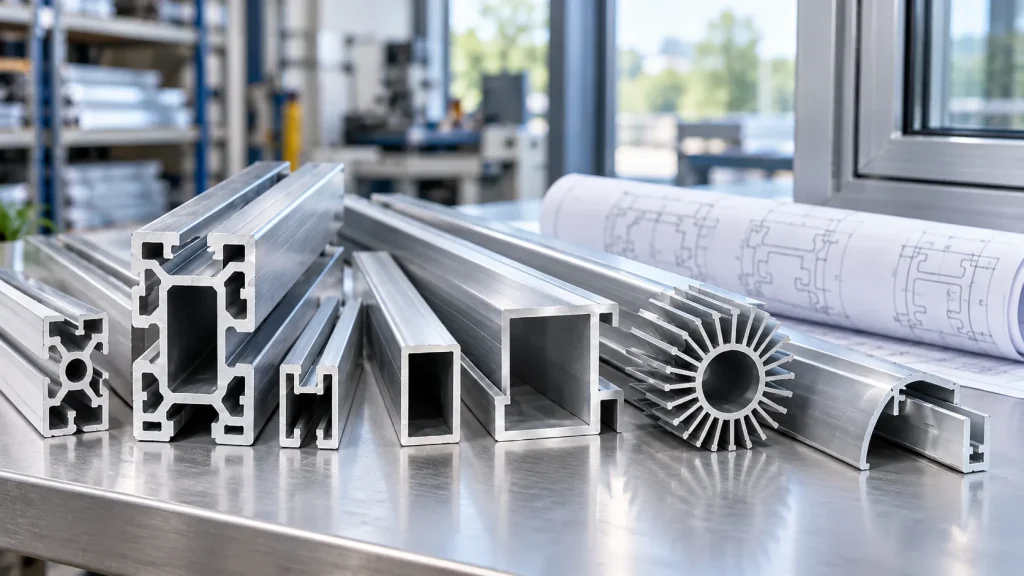
Start with the mating parts. A drawing should show the cross-section, wall thickness, slots, holes and any surfaces that must align. Mark critical dimensions separately from general dimensions; applying tight tolerances everywhere can add cost without improving the assembly.
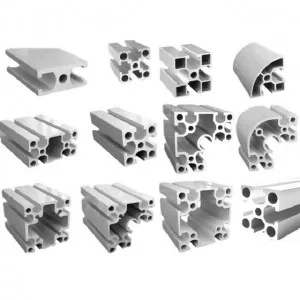
Consider how the shape will be made and handled. Thin walls, deep channels and uneven sections can complicate extrusion or affect straightness. If the design can accept a simpler section, ask whether that change would make production and assembly easier.
Choose the finish for the environment and visible surfaces. Anodizing, coating and an unfinished surface have different appearance and handling considerations. If parts will be cut, drilled or joined after extrusion, establish when finishing should occur so exposed edges and contact surfaces meet the intended appearance.
For a custom section, confirm tooling requirements before treating a drawing as ready for production. Send the cross-section drawing, expected order quantity and required finish to SUZHOU TOP METAL MATERIALS CO.,LIMITED, and ask which alloy, temper and dimensional requirements it can support.