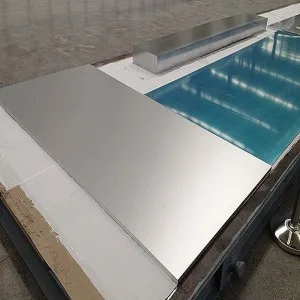
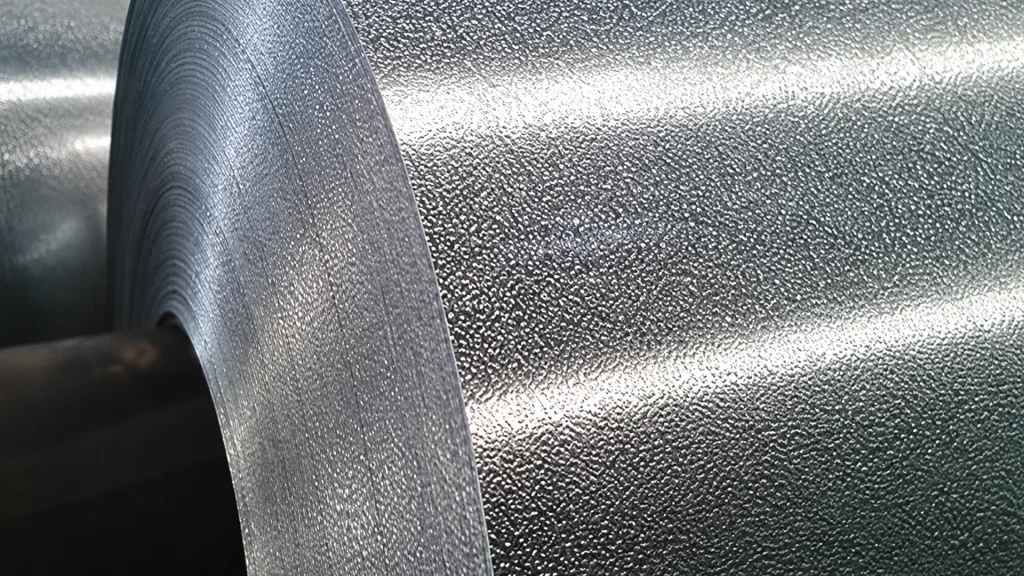
The distinction matters most with heavy or wet foods. A loose sheet of foil can sag, tear or spill when moved, so set it on a baking sheet or another oven-safe tray. For cookies and other foods that need consistent contact with a flat surface, the pan and its lining both affect the result: foil is not a substitute for a nonstick surface, and delicate foods may stick.
Choose foil for the job it must do. Thin foil may be enough to line a pan for light, dry foods; tougher foil is more useful where bones, sharp edges or heavy portions could puncture it. If you are buying foil for repeated kitchen use, ask about the available thickness and roll or sheet format rather than relying on a name such as “heavy duty.”
Check food-contact suitability before specifying foil that will touch food directly. If easy release matters, ask whether a suitable nonstick option is available and which side, if any, should face the food. Plain foil can stick to foods such as fish or baked goods.
Match the lining to the recipe and equipment. Acidic or salty foods can react with bare aluminum during prolonged contact, so another suitable lining or baking vessel may be preferable. Foil also belongs only in equipment where its use is permitted; follow the oven or appliance maker’s instructions.
For a purchasing inquiry, describe whether the foil will line a rigid baking sheet or wrap food, the foods it will contact, and the format your kitchen needs. Those details make it easier to discuss a suitable material without confusing flexible foil with rigid aluminum baking sheets.