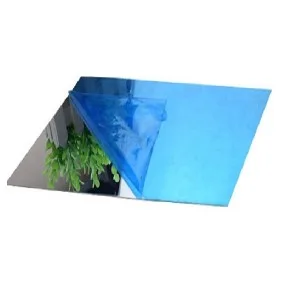
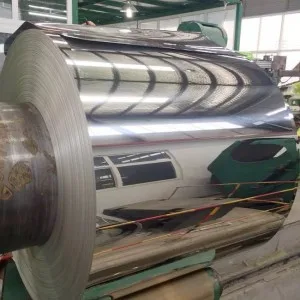
First clarify what “panel” means in your drawing. A solid aluminum sheet is a single piece of metal that can be cut and formed to suit the design. An aluminum composite panel has metal skins bonded to a core; it is a different product with different edge, forming and attachment considerations. They should not be treated as interchangeable just because both can have a finished face.
For solid sheet, the specified alloy and temper also matter. A sheet intended for bending may need a different temper from one chosen primarily for stiffness. If the panel will be formed, confirm the bend requirements before settling on the material.
Match thickness to the panel size and how it will be supported. A larger unsupported area can make flatness and visible distortion more important, while a thicker sheet adds weight and may change fabrication costs. State the finished panel dimensions as well as the starting sheet size if cutting is required.
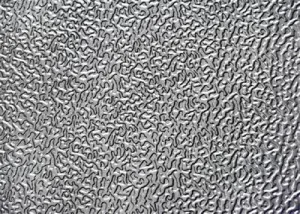
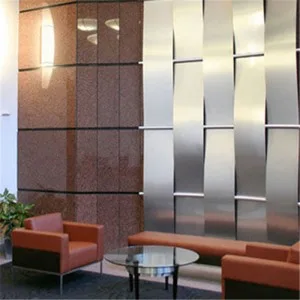
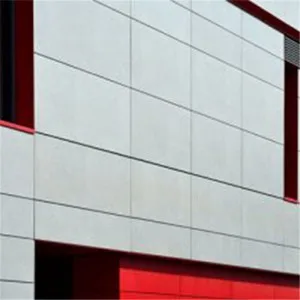
Choose the surface for its actual exposure. A visible architectural panel may need consistent color and appearance across adjacent pieces; a concealed equipment cover may not. For an outdoor or frequently cleaned surface, ask which finish is suitable for the environment and how the finished face will be protected during handling.
Do not leave fabrication details implicit. Hole locations, edge treatment, bends and the direction of any visible grain can affect the usable sheet size and the appearance of the finished panel. Identify which face is exposed, particularly if only one side needs a decorative finish.
Send SUZHOU TOP METAL MATERIALS CO.,LIMITED a drawing or size schedule with the application, required material or forming needs, and finish expectations. Ask which sheet and finishing options can be supplied against those requirements before finalizing the specification.